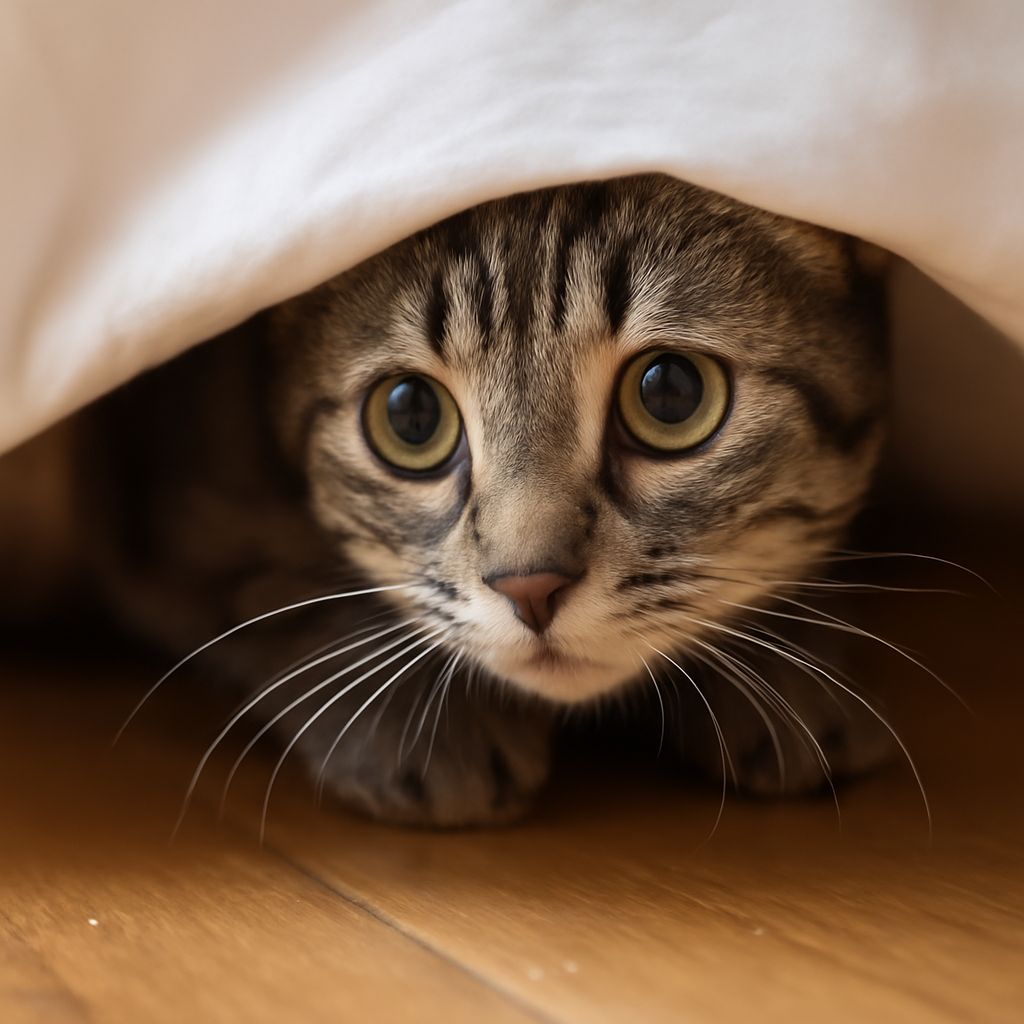
Nervous Cat: Understanding Your Pet’s Skittish Behavior
Imagine coming home to find your beloved feline darting out of the room, eyes wide with fear. You pause, puzzled, wondering why are cats so skittish sometimes? Your once confident companion now seems like a paranoid cat, scared all of a sudden. You ponder, what environmental changes could have caused this sudden fear in your cat? Is there something you’re not seeing that’s making your nervous cat react this way?
Such a scenario can be distressing for any cat owner, as deciphering a cat’s behavior is no easy task. However, understanding the underlying causes of these changes can be key to finding the best way to provide comfort to your anxious pet. Let’s delve into the reasons behind their sudden paranoia and explore strategies to help soothe your skittish cat.
Why Are Cats So Skittish?
Common Causes of Anxiety in Cats
Many cats display signs of anxiety due to a variety of reasons. A nervous cat might be responding to past traumas or experiences. Abandonment or harsh punishment can instill a sense of fear and lead to a skittish demeanor. Cats are also innately cautious creatures and their survival instincts make them wary of unfamiliar situations.
Changes in daily routines or new household members can contribute to their paranoia. The introduction of a new pet into the home can also disrupt their sense of security. Additionally, a lack of mental and physical stimulation can lead to restlessness, heightening anxiety levels.
Environmental Factors Influencing Cat Behavior
Environmental changes are another major factor affecting cat behavior. Moving to a new house, rearranging furniture, or loud noises can all trigger a fear response. Cats are territorial animals, and any alteration in their environment can prompt them to become skittish. Even minor changes, such as a new scent or sound, can be unsettling.
Understanding the specific environmental triggers can help in creating a more stable and predictable environment, which may reduce skittish behavior and increase your cat’s sense of comfort and security.
Why Is My Cat Scared All of a Sudden?
Health Concerns That May Cause Fear
Sometimes, sudden changes in behavior can be linked to health issues. Pain or discomfort can make a cat more reactive or fearful. Conditions such as arthritis, dental problems, or urinary tract infections can lead to increased sensitivity and skittish behavior.
It’s essential to monitor for any additional symptoms and consult a veterinarian if you suspect a medical condition. Early intervention can prevent further health complications and ease your pet’s anxiety.
Behavioral Changes to Watch For
Keep an eye out for behavioral changes that accompany sudden fear in your cat. Increased hiding, decreased appetite, or changes in litter box habits can all indicate underlying anxiety or fear. Vocalizations such as growling, hissing, or excessive meowing might also occur.
Understanding these signs can help you address potential issues before they escalate. Adapting your approach to meet your cat’s needs can ease their stress and promote a more harmonious home environment.
Helping Your Paranoid Cat: Tips and Tricks
Creating a Safe Space
One of the most effective ways to comfort a skittish cat is by creating a designated safe space. This can be a cozy corner with their favorite blanket, a perch by the window, or a secluded area away from household commotion. Ensure that this space is easily accessible and provides a sense of security.
Utilize familiar items that carry your scent, such as a piece of clothing, to reinforce your cat’s sense of comfort. Encourage exploration at their pace and avoid forcing interaction, allowing them to regain confidence in their own time.
Using Calming Techniques
Several techniques can help soothe an anxious cat. Pheromone diffusers emit scents that mimic natural feline hormones and can create a calming effect. Additionally, gentle music or white noise can mask external sounds that may cause distress.
Interactive toys and engaging playtime can also distract from anxiety, providing mental stimulation and physical activity. Regular interaction can strengthen the bond between you and your pet, promoting trust and reducing fear-based behaviors.
Next Steps: To ensure your cat feels secure, continuously observe their behavior and adapt your methods as needed. Regular vet checkups are crucial to rule out medical issues. Embrace patience and understanding, as each cat responds uniquely to changes. Empower your feline friend with trust and safety, gradually transforming their anxiety into contentment.