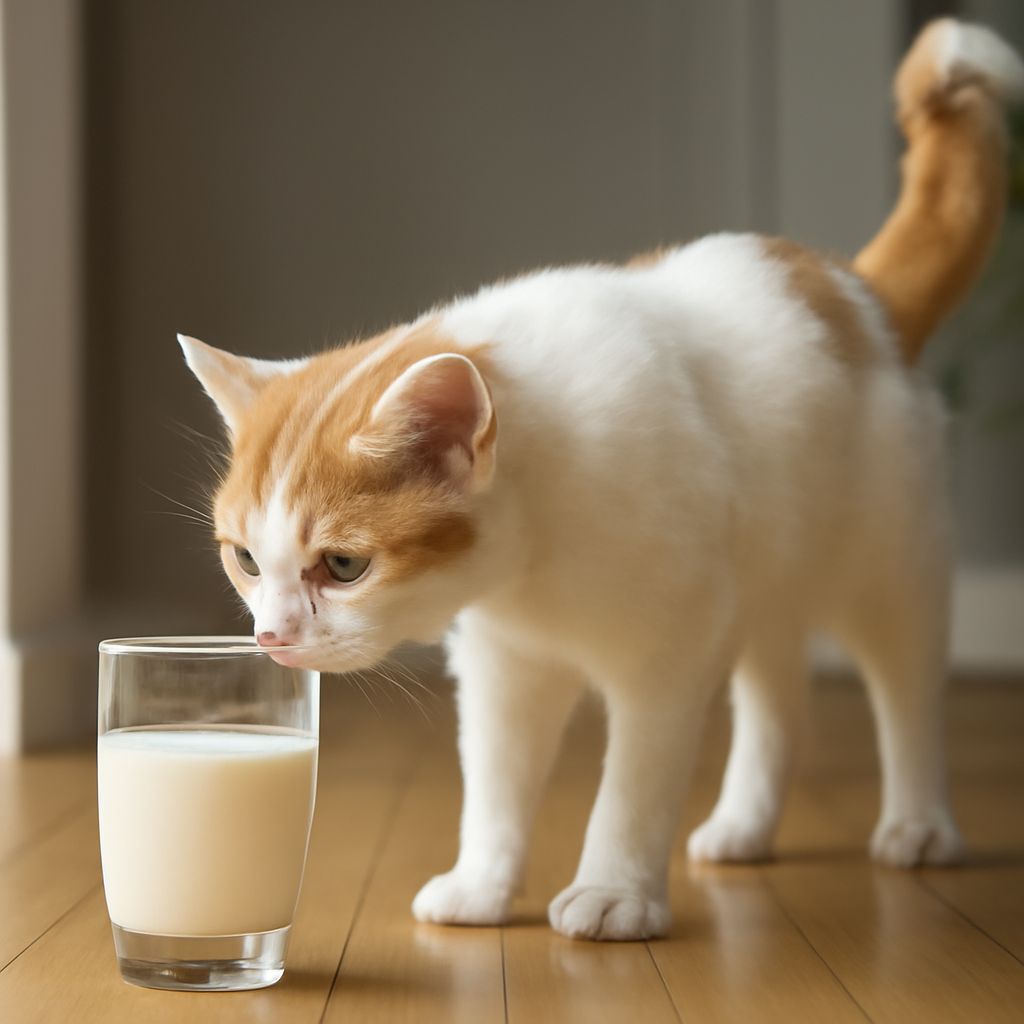
Should Cats Drink Milk? The Truth About Feline Nutrition
Imagine you’re sitting in your kitchen sipping on a warm cup of coffee as your beloved feline friend weaves between your legs. The images of cats delicately lapping milk from bowls might tempt you to pour some for your own pet. But you wonder, can you give a cat milk safely? Is it really a good idea to indulge your furry companion with a saucer of milk, or are there underlying reasons why you should reconsider?
Your curiosity grows as you contemplate if milk is safe for cats, especially since many pet owners believe that milk is a harmless treat. As you explore the nuances of feline nutrition, you’ll discover that what seems like a simple gesture could actually hide complexities that every responsible pet owner should know.
Understanding Feline Nutrition
Essential Nutrients for Cats
Cats require a balanced diet rich in proteins, fats, vitamins, and minerals to thrive. Unlike other animals, felines are obligate carnivores, which means their primary nutritional needs are met through the consumption of meat. Essential amino acids like taurine, arachidonic acid, and certain vitamins are not synthesized by their bodies and must be included in their diet.
Common Misconceptions About Cat Diets
There is a common belief that cats can live on a varied diet similar to humans. However, substituting their meals with inappropriate foods could lead to nutritional deficiencies. It’s crucial to understand that, despite being domesticated, the core of a cat’s dietary requirements hasn’t shifted significantly from their wild ancestors.
Should Cats Drink Milk?
The Origins of the Milk Myth
The idea that cats should drink milk possibly stems from rural settings where barn cats would drink milk from the dairy. The perception was that milk was a wholesome, natural part of their diet. This myth has persisted, despite advancements in understanding feline health.
K1: Why Cats Are Attracted to Milk
Cats are often drawn to milk due to its fat content. The scent and taste of fats can be appealing to them, reminiscent of their prey in the wild. Nevertheless, attraction does not equate to nutritional suitability, and understanding this distinction is critical for pet owners.
Can You Give a Cat Milk Safely?
K2: Factors to Consider
When considering if you can give a cat milk safely, several factors come into play, including the cat’s age, health status, and individual lactose tolerance. Kittens are naturally equipped to digest their mother’s milk, but as they grow, many lose the ability to process lactose efficiently.
Alternatives to Traditional Milk
If you wish to offer your cat a milk-like treat, lactose-free milk options specially formulated for cats are available. These alternatives provide the creamy texture without the digestive discomfort that regular milk might cause.
Is Milk Safe for Cats?
K3: Potential Health Risks
Feeding milk to cats can pose health risks, especially if they are lactose intolerant. Indigestion, diarrhea, and stomach upset are common consequences of excessive milk consumption. Therefore, it’s crucial to weigh these risks before introducing milk into their diet.
Signs of Lactose Intolerance in Cats
Cats suffering from lactose intolerance may exhibit signs such as bloating, flatulence, and diarrhea after consuming milk. Observing these symptoms should prompt an immediate discontinuation of milk and consultation with a veterinarian for dietary advice.
Is It Bad to Give Cats Milk?
K4: Understanding the Negative Effects
The potential adverse effects of milk on cats can include digestive disturbances and nutritional imbalances. Regular consumption might lead to dehydration due to diarrhea and could disrupt their regular dietary intake.
Expert Opinions on Giving Cats Milk
Veterinary experts generally advise against giving cats milk as a dietary staple. While the occasional treat may not harm, the consensus leans toward avoiding regular milk offerings to ensure a well-balanced diet.
Conclusion: What’s Best for Your Cat?
Summarizing the Facts
In summary, while the image of a cat enjoying a bowl of milk is popular, it’s not the healthiest choice. Understanding your cat’s dietary needs and respecting their natural nutritional requirements is crucial for their well-being.
Making Informed Decisions
Ultimately, informed decisions about your cat’s diet should be based on scientific knowledge and professional guidance. Opt for nutritionally complete cat food and appropriate treats to maintain their health and happiness.
Safety recap: If you decide to give your cat milk, ensure it’s specifically formulated for feline consumption, and watch closely for any adverse reactions. Always consider consulting your veterinarian for the best dietary practices tailored to your pet’s needs.