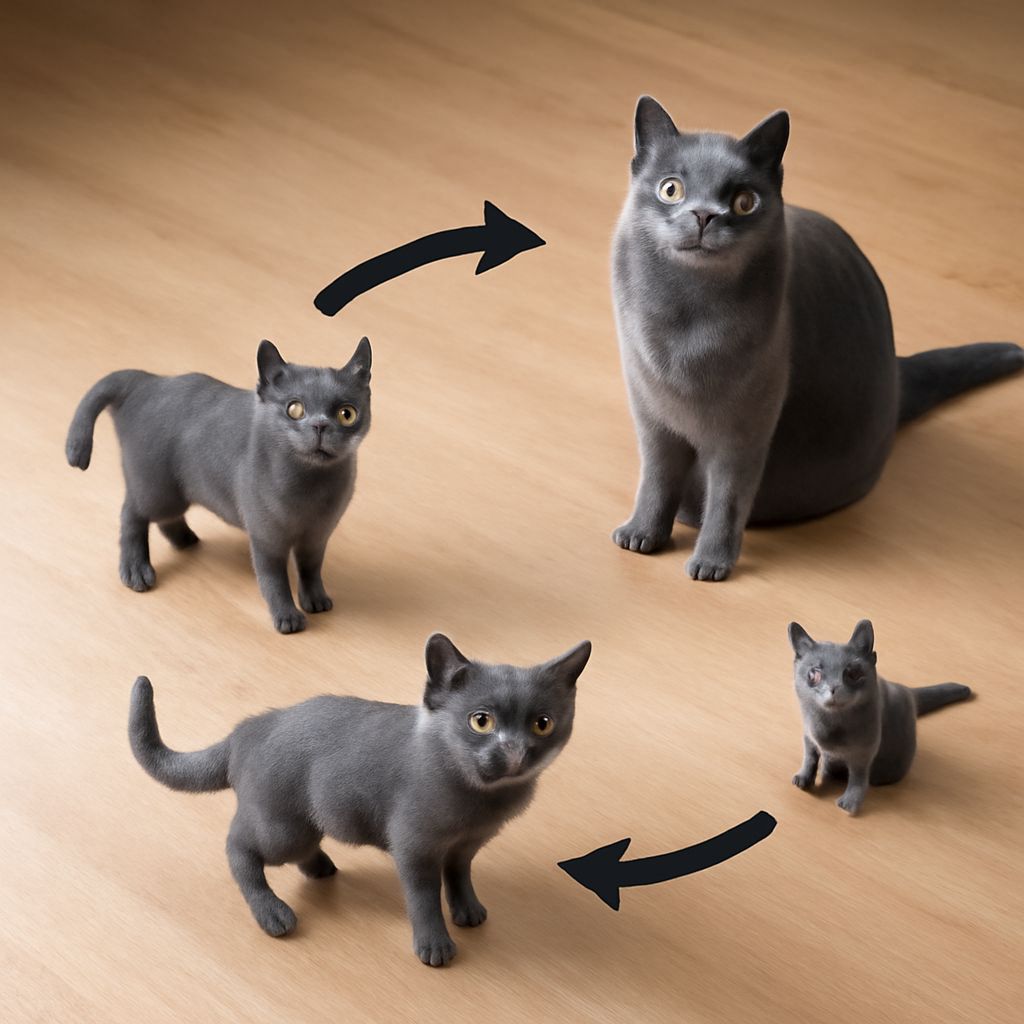
When Are Cats Fully Grown: Understanding Feline Maturity
Imagine you are snuggled up on the couch with your fluffy feline friend, watching them chase a toy with boundless energy. You start to wonder, “When is a cat fully grown?” It’s a common curiosity for cat owners who wish to ensure their pet’s health and happiness. Knowing the answer can help you navigate their care more effectively, ensuring your pet enjoys a happy and healthy life.
Understanding the stages of feline growth isn’t just about knowing at what age are cats full grown; it’s also about recognizing the significant changes your cat undergoes during its development. From kittenhood to adulthood, each phase brings its own joys and challenges, but with the right knowledge, you can be prepared for any situation.
Understanding Cat Growth Stages
Kittenhood: The Early Months
The journey of a cat begins in kittenhood, which typically spans from birth to around six months. During this stage, kittens experience rapid growth and development. Their playful nature and curiosity are at their peak as they explore their surroundings. Proper nutrition is crucial during these early months to support their developing bodies and energy levels.
Adolescence: A Time of Change
From six months to about one year, your cat enters adolescence. This period is marked by hormonal changes which may lead to some behavioral shifts. You’ll notice your cat might start testing boundaries more often. Providing plenty of stimulation and training during this growth stage can help keep their mischievous behavior in check.
Adulthood: When Are Cats Full Grown?
Generally, cats are considered full grown between one and two years of age. However, some larger breeds may take up to four years to reach full maturity. At this point, your cat will have reached their full size and their activity levels may decrease. It’s important to adjust their diet accordingly to prevent weight gain as they transition into adulthood.
Factors Affecting When Cats Are Fully Grown
Breed Differences
The specific breed of your cat plays a significant role in determining when they are fully mature. Smaller breeds typically reach full growth sooner than larger ones. For instance, Siamese cats might be fully grown at around one year, while a Maine Coon may not reach full size until three to four years old.
Nutrition and Health
A balanced diet and good health practices are vital for optimal growth. Proper nutrition supports not only bone and muscle development but also overall well-being. Regular veterinary check-ups ensure that any health issues are promptly addressed, preventing growth delays caused by illnesses or nutritional deficiencies.
Environmental Influences
The environment in which a cat is raised can also impact its growth timeline. Cats in a stress-free environment with plenty of space to explore and exercise are more likely to reach full maturity on schedule. Regular interaction with humans and other animals can also influence their behavioral development.
Signs That Your Cat Is Fully Grown
Physical Characteristics
When a cat is fully grown, you will notice that their size has stabilized. Their coat may become thicker and more lustrous, while their facial features become more defined. These physical attributes are clear indicators that your feline friend has reached adulthood.
Behavioral Changes
Fully grown cats often show changes in behavior. They might become more independent and less playful than they were during their kittenhood and adolescence. However, this doesn’t mean they no longer enjoy interaction; they might just prefer shorter play sessions and more quiet companionship.
Veterinary Check-Ups
Regular veterinary visits are essential for monitoring your cat’s growth and health. Your vet can confirm when your cat has reached full maturity and provide advice on dietary needs and lifestyle adjustments to maintain their health as they age.
Safety Recap: Ensure your cat’s health and happiness during their growth by providing a balanced diet and regular veterinary care. Be aware of breed-specific growth patterns to better understand when your cat is fully grown. With the right care, your feline friend will thrive through each stage of their development.