
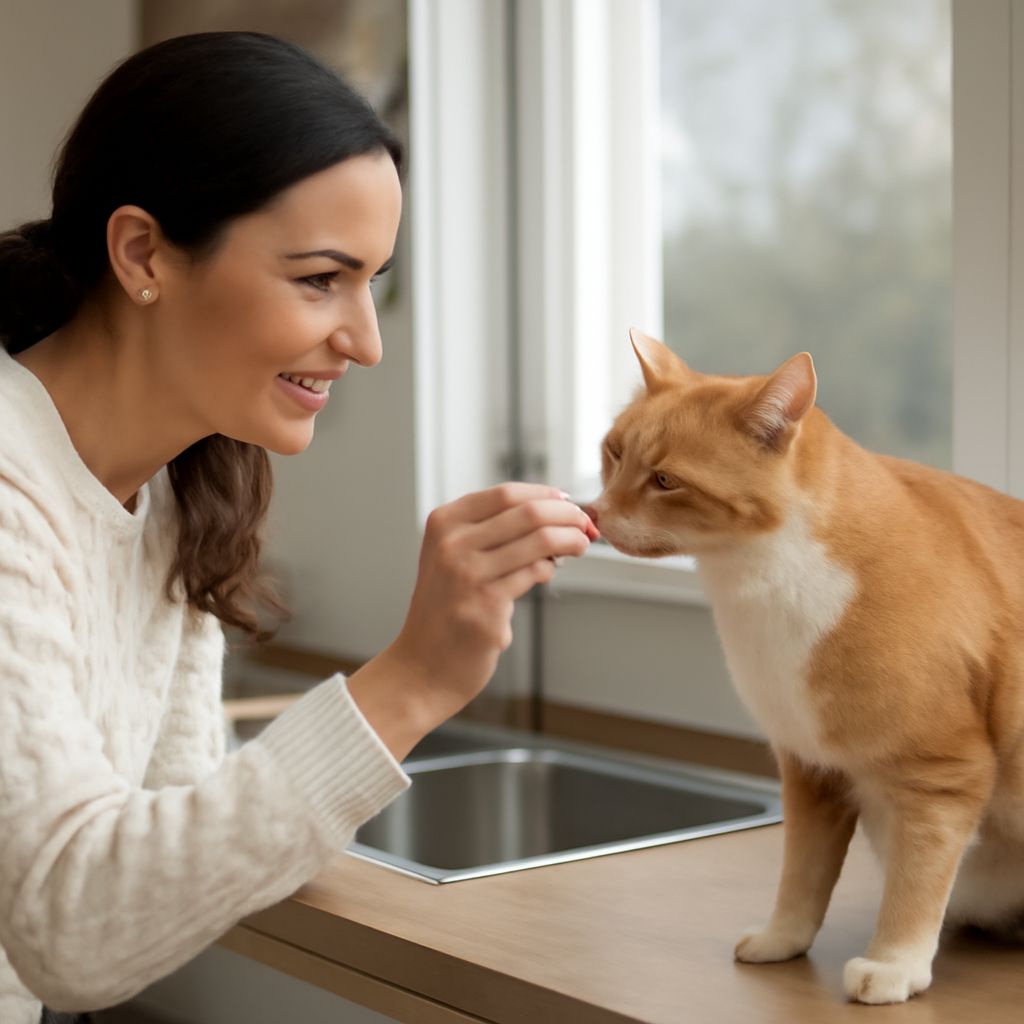
How to Put a Cat on a Diet: A Comprehensive Guide
Imagine returning home to find your beloved feline lounging lazily on the couch, a little too pudgy to fit comfortably in her favorite spot. You can’t help but wonder, “How do I put my cat on a diet?” as you realize that your pet’s health might be at risk from carrying those extra pounds. Your concern grows, and you’re motivated to learn effective strategies because you’re determined to help if your cat is too fat. It’s time to take action and support your feline friend in achieving a healthier lifestyle.
Understanding Why My Cat Is Fat
Understanding why your cat may have gained excess weight is crucial before implementing any dietary changes. Cats often become overweight due to a combination of factors such as overfeeding, a high-calorie diet, and lack of exercise. Additionally, age and genetics can play a significant role in weight gain. Recognizing these contributors helps in shaping a more effective and sustainable weight loss plan for your cat.
Signs My Cat Is Too Fat
Identifying the signs that indicate your cat is overweight is vital. Common indicators include difficulty in feeling her ribs due to a thick layer of fat, a noticeable sagging belly, and reduced stamina. A lack of visible waistline and trouble grooming are other signs that suggest it’s time to consider a weight loss program for your beloved pet. Regularly observing your cat’s behavior and physical characteristics can help you make informed decisions about her health.
How to Put My Cat on a Diet Safely
Ensuring your cat’s diet is both safe and effective is a priority. Begin by consulting with a veterinarian to establish an ideal weight and caloric intake for your cat. Gradually reduce the number of calories in her meals to avoid any drastic changes that might lead to health issues. Portion control and feeding measured amounts at specific times can also aid in a smooth transition. Remember, patience and consistency are key.
Choosing the Right Diet for My Cat
Selecting the appropriate diet for your cat is essential for her success in shedding those extra pounds. A balanced diet rich in protein and low in carbohydrates can promote weight loss while maintaining muscle mass. Consider feeding her high-quality commercial foods specially formulated for weight management. These diets often contain essential nutrients and are lower in calories, helping your cat feel full while consuming less.
How to Diet a Cat: Meal Planning
Meal planning plays a pivotal role in your cat’s diet journey. Implementing smaller, more frequent meals throughout the day can prevent overeating. It is beneficial to weigh her food to ensure accurate portion sizes. Incorporating wet food options might also be advantageous, as they typically contain fewer calories than dry food and aid in hydration. Stick to the plan and avoid giving in to those adorable begging eyes!
Monitoring Progress and Adjusting the Plan
Regularly monitoring your cat’s progress is necessary to determine the effectiveness of the diet. Weigh her consistently and keep a log to track changes over time. If her weight loss plateaus or is too rapid, it may be necessary to adjust her diet plan. Consulting with your veterinarian can provide insights into tweaking portion sizes or trying different foods to better suit your cat’s needs.
Common Mistakes When Putting a Cat on a Diet
Avoiding common pitfalls can enhance the success of your cat’s weight management. Overfeeding, even by small amounts, can hinder progress. Additionally, offering too many treats can derail efforts; opt for low-calorie alternatives instead. Ensure other family members are on board with the plan to maintain consistency. Lastly, never resort to crash dieting, as it can be harmful to your cat’s health.
Conclusion: Achieving a Healthy Weight for My Cat
Aiding your cat in achieving and maintaining a healthy weight is a commitment that requires diligence and love. By understanding the root causes of her weight gain and developing a comprehensive and safe diet plan, you’re setting the stage for a healthier future. Embrace the journey and celebrate small victories along the way.
Key takeaways: A feline weight loss plan should be safe and gradual, focusing on balanced nutrition and portion control. Regular monitoring and adjustments, in consultation with a veterinarian, are essential for success. Avoid common mistakes by being consistent and making informed dietary choices.