What Can I Use to Wash My Cat: A Complete Guide
Imagine it is a sunny afternoon and your feline friend has just returned from a playful adventure outside, her fur adorned with bits of leaves and dust. You know it’s time to give your cat a bath, but what can you use to wash her safely without causing stress to either of you? Choosing the right products and ensuring a smooth bathing process can feel intimidating, but with a little preparation, you can transform this task into a bonding experience. This guide will help you navigate through the essentials of washing your cat, from selecting the right products to understanding effective cat washing techniques.
Understanding the Basics of Cat Washing
Why Bathing Cat Is Important
Bathing your cat might not be a frequent necessity, but it is essential for keeping her coat clean and healthy, especially if she is a long-haired breed. Regular baths can help remove dirt, reduce shedding, and even prevent parasites. Ensuring your cat is comfortable with this process is the key to effective grooming.
Common Mistakes When Giving Your Cat a Bath
One of the biggest mistakes cat owners make is using human shampoo or harsh chemicals. These can irritate your cat’s skin, leading to discomfort or allergic reactions. Another common error is not rinsing thoroughly, which can leave residue on the fur, causing matting or an unpleasant odor.
Essential Gear for Cat Washing
Having the right gear is crucial. You’ll want a cat-specific shampoo, several towels, a gentle brush, and a non-slip mat. Using a detachable shower head can make rinsing easier, and consider earplugs for your cat if she is sensitive to water noise.
What Can I Use to Wash My Cat?
Choosing the Right Products
Select shampoos that are formulated specifically for cats. These shampoos are pH balanced for feline skin and include ingredients that are safe for her coat. Products containing natural oils can also help maintain the skin’s moisture.
Natural Alternatives for Bathing Cat
For those who prefer natural options, there are several alternatives. Oatmeal-based shampoos can soothe irritated skin, while coconut oil provides gentle moisturization. Always ensure these products are free from artificial additives.
DIY Solutions for Giving Your Cat a Bath
If commercial products are unavailable, a simple DIY solution can be made using diluted baby shampoo. Ensure it’s fragrance-free and test it on a small area first to check for any adverse reactions. Again, thorough rinsing is crucial.
Step-by-Step Guide on How to Wash Cat
Preparing Your Cat for a Bath
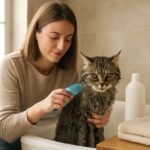
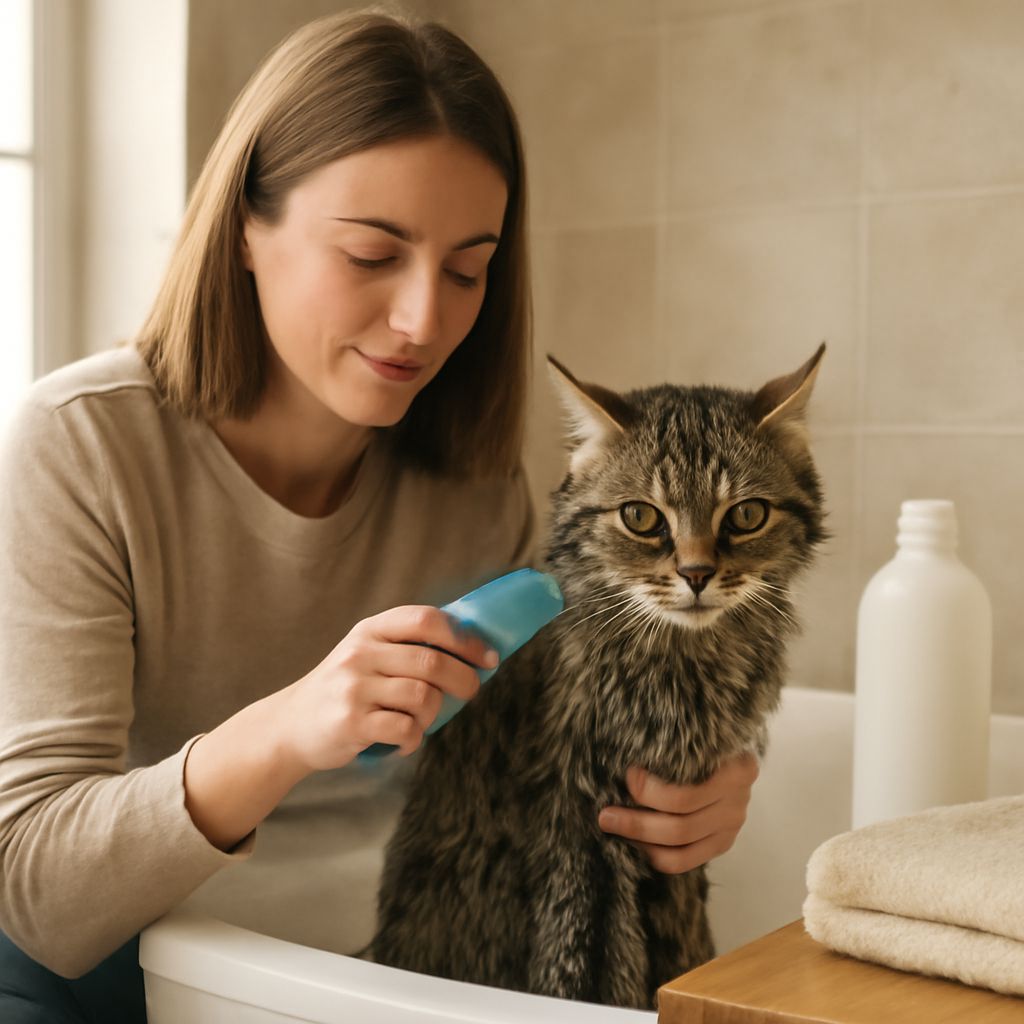
Preparation starts with brushing your cat to remove loose fur and detangle knots. Trim her nails to prevent scratches and provide a calming environment with soft, reassuring words.
The Bathing Process: A Detailed Walkthrough
Fill the tub with a few inches of lukewarm water. Gently place your cat in, using one hand to support her under the belly and the other to keep her steady. Lather the shampoo gently, avoiding the face and ears, and rinse thoroughly with clean water. Be patient and calm throughout.
Drying and Post-Bath Care for Your Cat
After the bath, wrap your cat in a towel and gently pat her dry. You might need several towels for long-haired cats. Keep her warm until she’s completely dry and brush her fur to prevent tangles.
Troubleshooting Common Cat Washing Issues
Dealing with a Resistant Cat
If your cat is resistant to baths, introduce her gradually to water and reward her with treats to create positive associations. Patience and consistency are essential in helping her become accustomed to the process.
Skin and Fur Care After Bathing Cat
Monitor your cat’s skin and fur for any signs of irritation or dryness post-bath. Applying a small amount of coconut oil on her coat can promote shine and hydration.
Safety Recap: Always use cat-specific products or approved DIY alternatives. Handle your cat gently and ensure the water temperature is comfortable to avoid distress.