
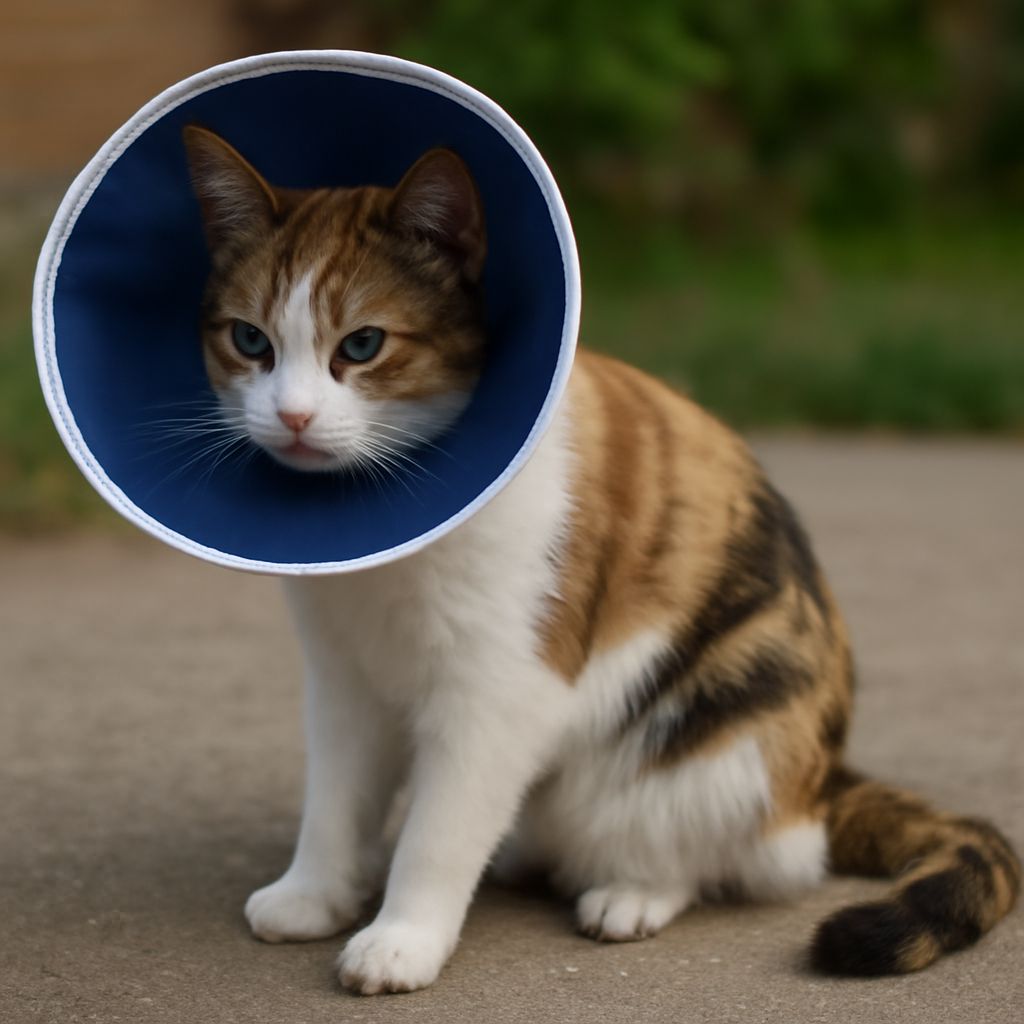
Your cat just came home from surgery and the vet sent you off with an e collar for cats — that iconic plastic cone that your cat is already side-eyeing with extreme suspicion. The e collar cat setup might look uncomfortable, but it serves a critical purpose: preventing your cat from licking, biting, or scratching at a wound, suture line, or irritated area while it heals. Without an elizabethan collar for cats, many cats will obsessively groom a healing site and cause infections or reopen stitches within hours.
Whether you are dealing with a post-spay recovery, a skin condition, or a minor wound, understanding how e collars for cats work — and how to make wearing one less stressful — makes a real difference in how smoothly the healing process goes. This guide covers everything from choosing the right type to getting the fit right on your cat elizabethan collar.
What Is an E Collar for Cats
An Elizabethan collar — commonly called an e collar or cone of shame — is a protective device that fits around a cat’s neck and extends outward like a funnel. The shape prevents the cat from turning its head far enough to reach most areas of its body with its mouth or paws. Vets prescribe e collars for cats after surgeries, for wound care, during treatment of skin conditions like ringworm or allergies, and whenever a cat’s self-grooming is causing more harm than good.
The name Elizabethan comes from the resemblance to the ruffled collars fashionable in sixteenth-century Elizabethan England. Modern cat elizabethan collar designs have evolved well beyond the basic rigid plastic cone, offering more comfortable alternatives that still do the job effectively.
Types of E Collars for Cats
The traditional hard plastic cone is still the most common e collar for cats and the most effective at preventing access to wounds. It is easy to clean and comes in multiple sizes. The main drawback is that cats find them disorienting — the rigid cone affects peripheral vision and makes it harder to navigate around furniture, eat from a bowl, and sleep comfortably.
Soft fabric e collars are made from flexible foam or padded fabric. They are more comfortable than hard plastic and allow better peripheral vision, but they do not block access as thoroughly. A determined cat can sometimes maneuver around a fabric collar to reach a wound. They work best for wounds on the trunk of the body rather than the legs or tail.
Inflatable collar designs look like a small travel pillow around the neck. These e collars for cats are generally the most comfortable option and the least disorienting, but they only block access to wounds the cat cannot reach by bending its neck downward. They are not suitable for wounds on the legs, paws, or tail.
Clear plastic cones offer the same protection as traditional hard cones but with better visibility for the cat. Many cats adjust more quickly to a clear e collar cat setup because the reduction in visual field is less dramatic.
How to Fit a Cat Elizabethan Collar
Fit is crucial. A cat elizabethan collar that is too loose will slip off or rotate, letting your cat access the wound. One that is too tight can cause discomfort, restrict breathing, or create pressure sores on the neck.
The standard guideline: you should be able to fit two fingers comfortably between the collar and your cat’s neck. The cone should extend just past the tip of your cat’s nose — if it is too short, a flexible cat can still reach wounds on the shoulders or lower back. If it is too long, the cat will struggle to eat and drink normally.
When putting on the elizabethan collar for cats, work calmly and quickly. Have someone help hold your cat gently if needed. Snap the collar into place, check the fit immediately, and watch your cat navigate for a few minutes to confirm they can walk, turn, and reach their food and water bowls without the cone hitting the floor with every step.
Helping Your Cat Adjust to the Collar
Most cats protest an e collar initially. They may back up, shake their heads, freeze in place, or vocalize their displeasure. This is normal. Within a few hours, most cats adapt well enough to move around, eat, and sleep — especially if you make their environment easier to navigate.
Lower food and water bowls so the edge of the cone does not hit the rim. Clear pathways through the home so your cat does not bump into furniture constantly. Offer extra reassurance through calm talking and gentle petting — avoid picking up a collared cat unless necessary, as the restricted vision can make them feel more vulnerable.
Check the collar daily for any redness or irritation around the neck where it contacts the skin. If you notice raw spots, report them to your vet. Never remove the e collar without veterinary guidance, even if your cat seems distressed — premature removal is one of the most common causes of post-surgical complications in cats.
Safety recap: Always follow your vet’s instructions on how long the e collar for cats must stay on. Never substitute a homemade collar without veterinary approval. If your cat manages to remove the collar or reaches the wound despite wearing it, contact your vet the same day to reassess the collar size or type.