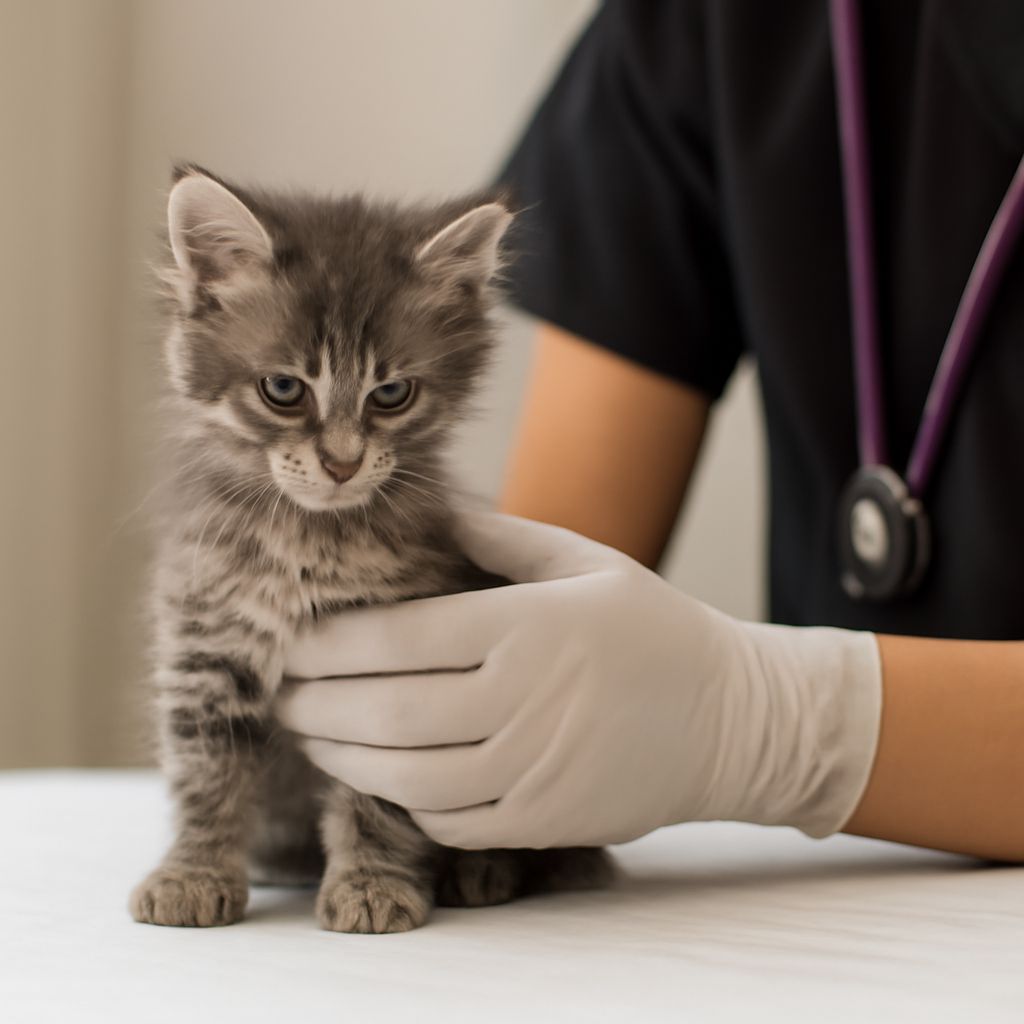
You’ve just adopted a kitten, and your vet has mentioned scheduling her spay surgery. But you’re not sure exactly when to spay a cat — is earlier better, or should you wait until she’s older and more developed? This is one of the most common questions new cat owners face, and the answer has evolved considerably as veterinary medicine has gathered more long-term data on spay timing outcomes.
Understanding when can you spay a cat safely starts with knowing that the procedure can be performed at a younger age than many owners realize. The question of what age to spay a cat depends on health, breed, and individual circumstances — but there is solid consensus on the best age to spay a cat for the majority of feline patients. This guide answers exactly what age do you spay a cat under current veterinary guidelines, and what to expect before and after surgery.
Why Spaying Your Cat Is Important
Beyond population control, spaying provides direct, documented health and behavioral benefits to the individual cat.
Health Benefits of Early Spaying Spaying a cat before her first heat cycle virtually eliminates the risk of mammary (breast) cancer, which is malignant in approximately 90% of cats when it develops. It completely prevents uterine infections (pyometra) — a life-threatening condition common in older intact females — and eliminates the risk of ovarian cancer. These health benefits are strongest when the procedure is performed before the first heat; they diminish somewhat with each heat cycle the cat experiences before being spayed.
Behavioral Benefits and Population Control Unspayed female cats cycle through heat approximately every two to three weeks during breeding season, producing loud vocalizations, restlessness, and persistent attempts to escape outdoors. Spaying ends this cycle entirely. At the population level, a single unspayed female cat and her offspring can produce thousands of kittens over several years — contributing meaningfully to the feral cat population crisis. Spaying every owned cat is one of the highest-impact actions an individual owner can take for feline welfare broadly.
When Can You Spay a Cat? Age Guidelines Explained
The recommended age for spaying has shifted toward earlier intervention over the past two decades as evidence has accumulated supporting its safety and benefits.
The Traditional Approach: Spaying at Six Months For decades, the standard recommendation was to spay cats at six months of age — old enough for the reproductive organs to be fully developed, but ideally before the first heat cycle. This timeline remains perfectly acceptable and is still recommended by many general practice veterinarians. Most cats at this age have adequate body mass for safe anesthesia and a straightforward surgical recovery.
Early Spay: The Case for Four Months The American Animal Hospital Association (AAHA) and many humane organizations now recommend spaying cats as early as four months of age — before the first heat, which can occur as early as four to five months in some individuals. Long-term studies have found no significant difference in outcomes between cats spayed at four months versus those spayed at six months or older. Early spaying ensures the procedure happens before any heat cycle, maximizing cancer prevention benefits and preventing unintended pregnancy.
What Age to Spay a Cat With Health Conditions For kittens with health conditions — heart murmurs, respiratory infections, or underweight status — spaying may be postponed until the condition is resolved or stabilized. Your veterinarian will perform a pre-surgical examination and may run bloodwork to confirm your kitten is a safe anesthetic candidate before scheduling the procedure. Never pressure a vet to proceed with surgery if they have identified a health concern that warrants delay.
Best Age to Spay a Cat According to Current Research Current evidence supports spaying between four and six months as the optimal window for most cats. Spaying earlier than four months is generally discouraged due to the smaller body size and the technical challenges it presents. Spaying after the first heat or in an already pregnant cat is more surgically complex but still completed safely by experienced veterinary surgeons when necessary.
Preparing for and Recovering from Spay Surgery
Most veterinarians ask you to withhold food from midnight the night before surgery to reduce anesthesia risks. Drop your cat off at the clinic in the morning; most cats return home the same evening. Expect your cat to be groggy and subdued for the first 24 hours. Restrict activity — no jumping, running, or rough play — for 10–14 days while the incision heals. Use the provided E-collar (cone) to prevent licking or chewing at the sutures, which can cause infection or wound dehiscence. Monitor the incision site daily for redness, swelling, or discharge, and contact your vet immediately if you notice any concerning changes.
Bottom line: Most cats should be spayed between four and six months of age — before the first heat cycle for maximum health benefit. Work with your veterinarian to time the procedure appropriately for your specific cat’s health and development, and follow all post-operative care instructions carefully to support a smooth recovery.