
You run your hand along your cat’s back during a grooming session and notice small white flakes in the fur, or you see your cat scratching more than usual and the skin looks dull and slightly rough. Cat dry skin is more common than many owners realize, especially during winter months when indoor heating strips humidity from the air. A cat has dry skin for many of the same reasons humans do — low humidity, poor diet, inadequate hydration, or an underlying health condition. The difference is that cats with dry skin may be uncomfortable for months before an owner notices, because cats typically hide discomfort and groom away visible flakes.
Understanding what causes dry skin on cats, what you can do at home, and when the problem requires a vet visit helps you address the issue appropriately and restore your cat’s coat to its healthy baseline.
Why Your Cat Has Dry Skin
Cat dry skin develops when the skin’s moisture barrier is compromised or when the body is not producing enough sebum — the natural oil that keeps skin and fur conditioned. The result is skin that flakes, itches, and may appear dull or rough. In cats with darker coats, the flaking is especially visible; in lighter-coated cats, you may feel the rough texture before you see the flakes.
The condition affects cats of all ages, though senior cats are more prone to it because oil gland activity typically declines with age. Overweight cats often have dry skin on the lower back and tail base because they cannot reach those areas to groom — the natural oils from their tongue and saliva never get distributed to those spots.
Seasonal Dry Skin in Cats
Dry skin on cats peaks in winter months when indoor heating removes moisture from the air. A cat spending most of its time in a centrally heated home with humidity levels below forty percent will often develop dry, itchy skin by mid-winter. Running a humidifier in the rooms your cat frequents most can make a noticeable difference.
Common Causes of Dry Skin on Cats
Nutritional deficiency is one of the most common causes of cat with dry skin. Essential fatty acids — particularly omega-3 and omega-6 — are critical for skin barrier function. A diet low in quality animal protein and healthy fats produces a coat that lacks luster and skin that loses moisture rapidly. This is why cats fed primarily low-quality dry food often show worse coat condition than cats on higher-quality diets.
Dehydration contributes significantly to dry skin. Many cats on exclusively dry food diets consume far less water than their bodies need. Skin hydration depends on systemic hydration — if your cat is even mildly dehydrated chronically, the skin suffers. Parasites including fleas, mange mites, and Cheyletiella mites can cause or worsen dry skin and intense scratching. Allergies — to food ingredients, environmental allergens, or contact irritants like certain bedding materials — produce dry, flaky, or irritated skin as a response.
Underlying Medical Causes
Cat has dry skin sometimes as a symptom of systemic conditions including hypothyroidism, diabetes, kidney disease, or liver problems — though these are less common than environmental or dietary causes. If you have addressed all obvious environmental and nutritional factors and the dry skin persists, a vet workup to rule out systemic causes is warranted.
Home Remedies for Cat Dry Skin
The most impactful change you can make is improving your cat’s diet. Add omega-3 fatty acids through a fish oil supplement specifically formulated for cats — the dose is typically based on body weight, and your vet can recommend an appropriate amount. Switching from a low-quality dry food to a higher-quality diet with a named protein source as the first ingredient and no excessive fillers often produces visible coat improvement within six to eight weeks.
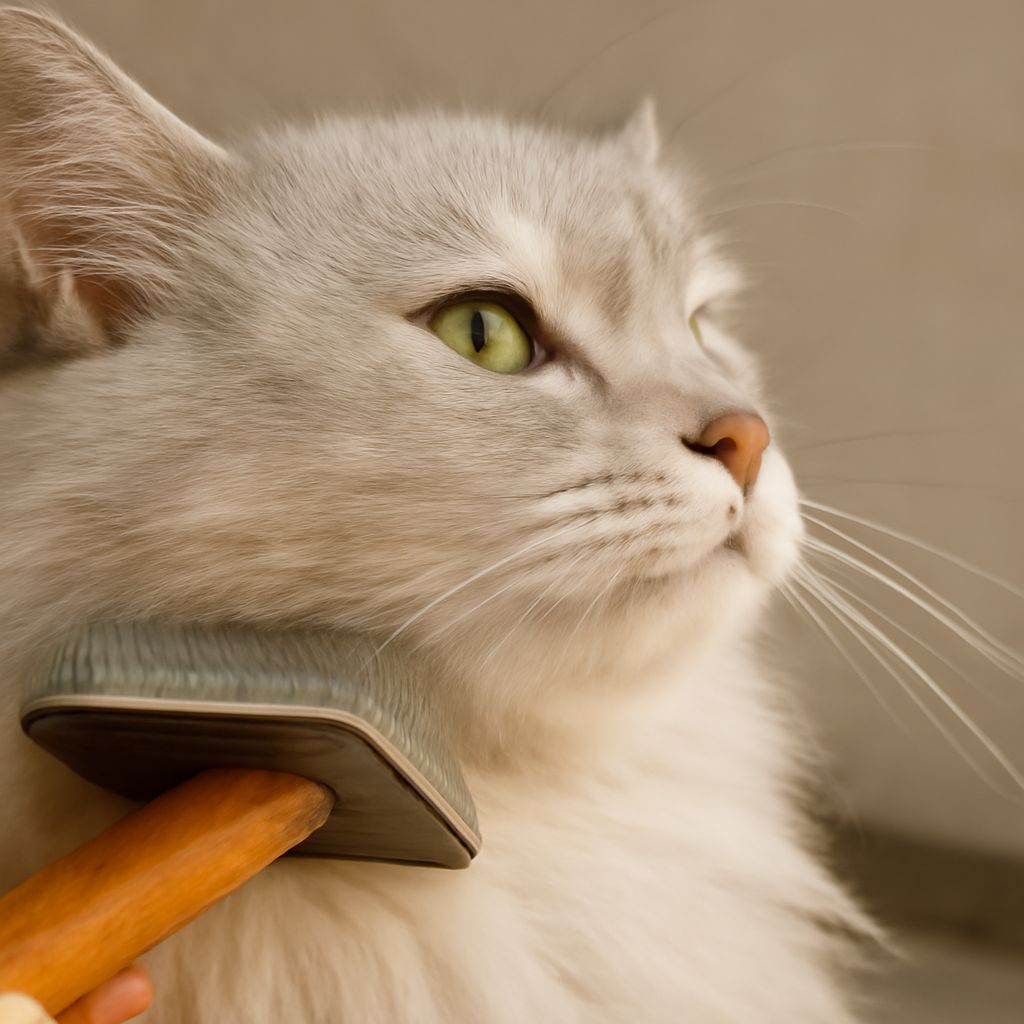
Increase your cat’s water intake by offering wet food, adding water to dry food, or providing a cat water fountain. Regular grooming with a soft bristle brush distributes natural oils through the coat and removes loose flakes. Avoid bathing cats with dry skin unless specifically directed by a vet — bathing removes the natural oils that dry skin cats are already deficient in.
Keep the home humidity above forty percent during dry months using a humidifier. This single environmental change often reduces dry skin flare-ups significantly without any other intervention.
What to Avoid
Never apply human moisturizers, coconut oil, or petroleum-based products to your cat’s skin without veterinary guidance. Cats lick their coats, and many human products are unsafe for ingestion. Even products marketed as natural can cause digestive upset or toxicity when groomed off in significant amounts.
When Cats with Dry Skin Need Veterinary Care
A vet visit is appropriate when cat dry skin does not improve within four to six weeks of dietary and environmental changes; when scratching is intense enough to cause hair loss, open sores, or scabbing; when you see small moving specks in the coat that could indicate mites or fleas; when the flaking is accompanied by redness, swelling, or warmth; or when other symptoms like lethargy, weight change, or increased thirst appear alongside the skin issue.
Your vet can perform skin scrapings to check for mites, run allergy panels, evaluate diet, and assess whether an underlying systemic condition is contributing. Cats with dry skin caused by allergies often benefit from a prescription hydrolyzed diet trial or targeted allergy management. Mite infestations require specific antiparasitic treatments that are not available over the counter.
Bottom line: Cat dry skin is usually manageable with improvements to diet quality, hydration, and home humidity. When the basic fixes do not work or symptoms are severe, a vet visit reveals whether an underlying cause needs targeted treatment.