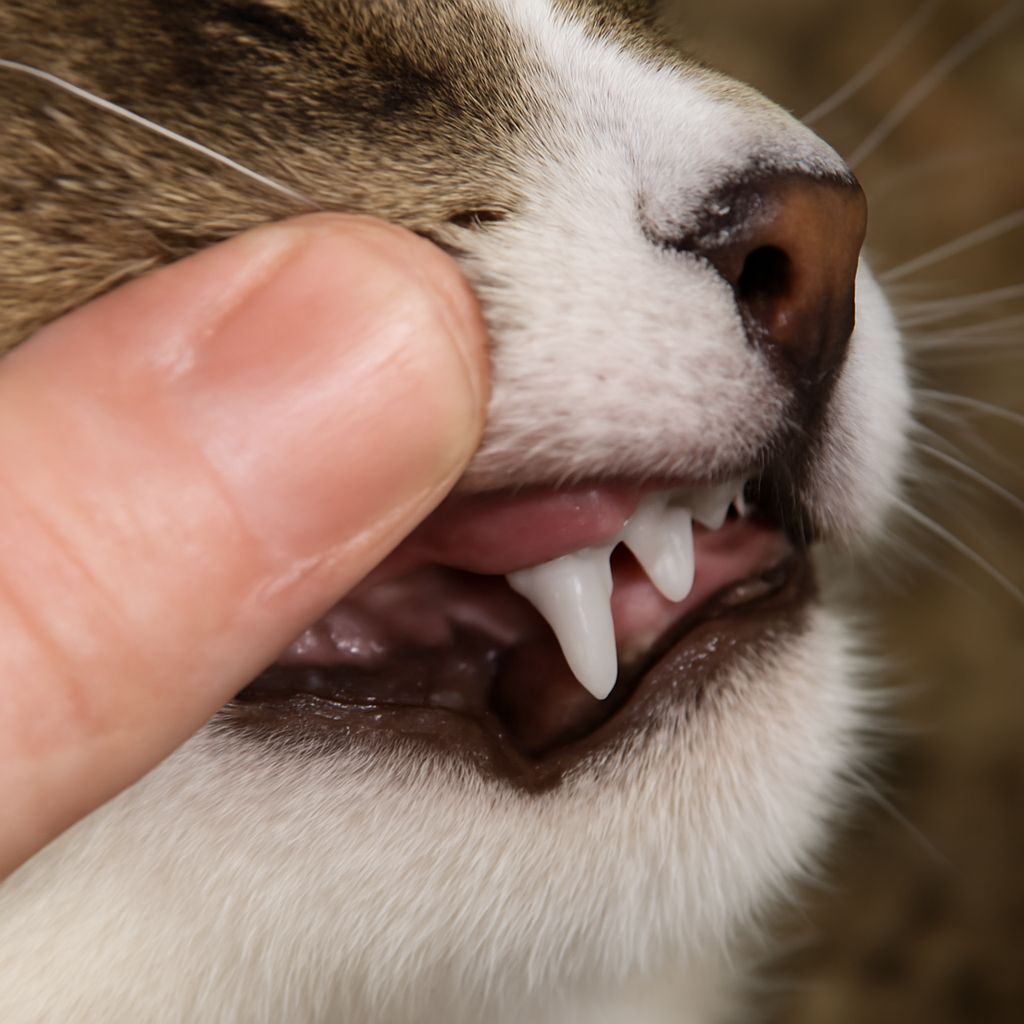
Imagine your beloved feline companion starting to show signs of discomfort while eating. You might notice them avoiding their favorite kibble or becoming irritable during playtime. These subtle changes could be early indicators of cat tooth decay or other cat mouth problems. As a devoted pet owner, recognizing these signs is crucial for maintaining their health and preventing cat plaque and cat tartar from building up. Awareness and proactive care can help you avert severe dental issues, ensuring your cat remains happy and healthy.
Causes of Cat Dental Disease
Understanding Cat Tooth Decay
Cat tooth decay is often underestimated, but it can significantly impact your cat’s well-being. This condition arises when bacteria in the mouth convert sugars into acids, which then erode the enamel. Over time, this can lead to painful cavities. While decay is less common in cats than in humans, it’s still a risk, especially if their diet is high in carbohydrates.
How Plaque Contributes to Oral Health Issues
Plaque is a sticky film that forms on teeth after meals. If not removed, it hardens into tartar, leading to more severe cat oral health issues. Plaque accumulates quickly and can harbor bacteria, contributing to gum inflammation and other dental problems. Regular cleaning helps minimize plaque buildup and its detrimental effects.
The Role of Tartar in Cat Mouth Problems
Once cat plaque hardens into tartar, it becomes more challenging to remove. This calcified substance can irritate gums and provide a breeding ground for bacteria, exacerbating cat mouth problems. Tartar buildup is a leading cause of gingivitis and periodontal disease, both of which are painful and can cause tooth loss if left untreated.
Symptoms and Diagnosis of Cat Tooth Decay
Common Signs of Cat Tooth Decay
Cats are masters at hiding discomfort, but there are telltale signs of tooth decay. These include bad breath, difficulty eating, drooling, or pawing at the mouth. Some cats might also show a reduced interest in play or exhibit changes in behavior. Observing these symptoms early can prompt timely veterinary intervention.
Diagnosing Cat Plaque and Tartar Buildup
Veterinarians diagnose dental disease through physical exams and sometimes dental X-rays. During the exam, they will look for signs of plaque and tartar accumulation, gum inflammation, and any damage to the teeth. Accurate diagnosis helps in formulating an effective treatment plan to address the specific dental issues your cat faces.
Preventing Cat Plaque and Tartar
Effective Dental Care for Cats
Regular dental care is paramount in preventing plaque and tartar. Brushing your cat’s teeth with a vet-approved toothpaste can drastically reduce plaque formation. Additionally, dental treats and toys designed to clean teeth can help keep your cat’s mouth healthy. Establishing a dental care routine is essential for long-term oral health.
Dietary Tips to Reduce Cat Mouth Problems
Diet plays a crucial role in oral health. Choosing a diet low in carbs yet enriched with essential nutrients can minimize the risk of tooth decay. Some specially formulated cat foods are designed to reduce dental disease by mechanically cleaning teeth or containing additives that prevent plaque buildup.
Professional Dental Cleaning for Cats
While at-home care is vital, professional dental cleanings are sometimes necessary. These cleanings are performed under anesthesia and allow veterinarians to thoroughly clean all surfaces of the teeth, including below the gum line. Regular professional cleanings can prevent severe dental problems and maintain overall oral health.
Pro tips recap: Ensure your cat’s oral health by recognizing early signs of dental issues like cat tooth decay. Maintain a routine of effective dental care, including regular brushing and providing a diet that minimizes cat plaque buildup. Don’t hesitate to seek professional dental cleanings to keep your cat’s mouth in top condition.