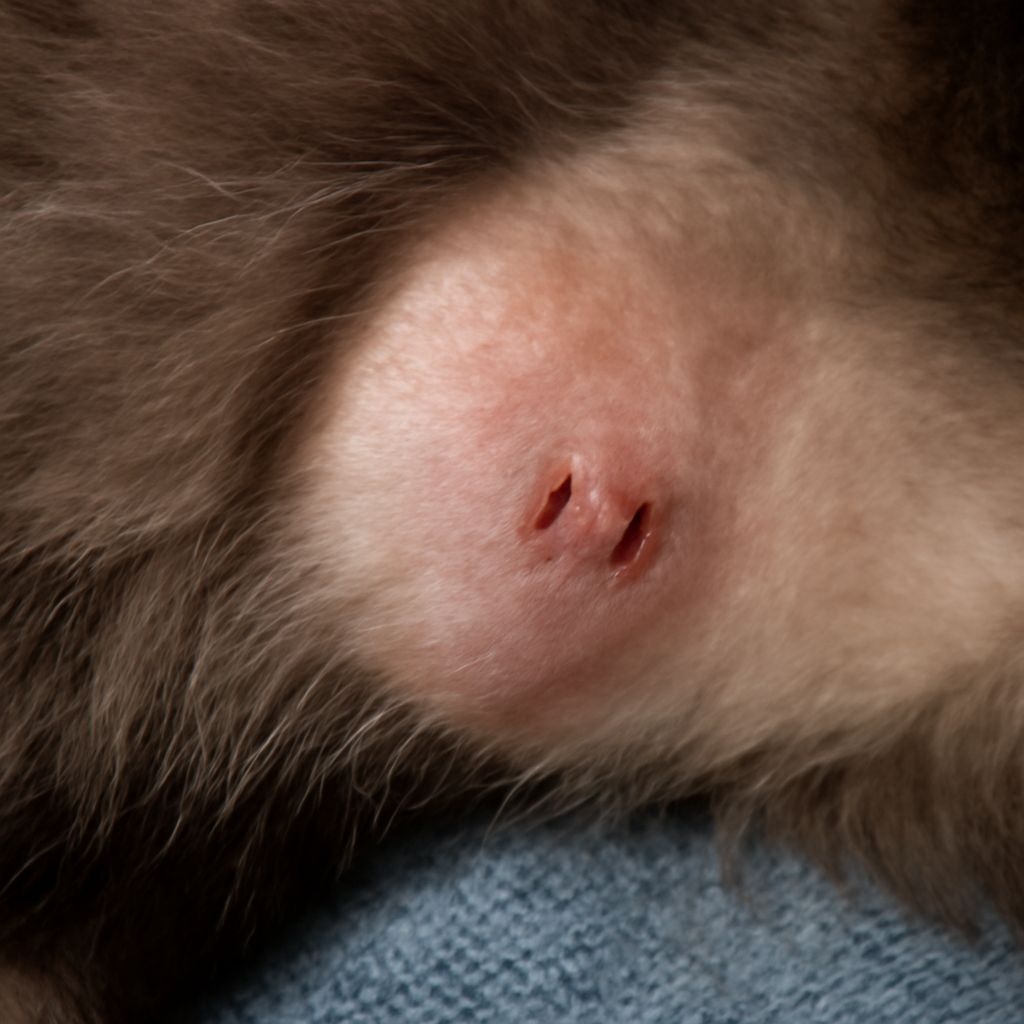
Picture this: your feline friend, usually a bundle of joy and energy, suddenly appears lethargic and uninterested in their usual antics. You notice a peculiar swelling on their body, and the question arises, “Can a cat die from an abscess?” Indeed, the thought is daunting, but understanding untreated cat abscess risks and knowing whether cat abscesses heal on their own is vital. With a little knowledge, you can ensure your pet’s health and avoid potential complications.
What is an Abscess in Cats?
An abscess in cats is a localized infection filled with pus, often caused by bacteria entering a wound. These painful lumps can occur when the cat’s immune system fights off invading pathogens, creating a pocket of infection.
Causes of Cat Abscesses
Cats often develop abscesses from bite wounds during fights with other cats or encounters with small animals. A cat’s sharp claws and teeth can easily penetrate the skin, allowing infections to brew under the surface. Occasionally, other injuries, such as scratches or foreign objects, can lead to similar outcomes.
Symptoms to Watch For
Keen observation is crucial when detecting an abscess. Signs include localized swelling, redness, and heat. Often, the cat will exhibit pain or discomfort in the area, coupled with lethargy and a potential loss of appetite. Pus drainage or a foul smell can indicate a ruptured abscess, necessitating immediate attention.
Common Areas for Abscesses
Common sites for feline abscesses include the face, neck, and limbs—areas prone to injury during altercations. Other potential spots are the tail base and back, particularly when a cat flees from a fight.
Can a Cat Die from an Abscess?
While most abscesses are treatable, complications can arise if left unchecked. This can be a source of concern, prompting the crucial question of whether an untreated cat abscess can have severe implications.
Potential Complications of Untreated Cat Abscess
Ignoring an abscess can lead to severe infections, spreading to the bloodstream or adjacent tissues, a condition known as sepsis. Such systemic infections can be life-threatening, necessitating urgent medical intervention to prevent dire consequences.
Signs of Severe Infection
Be attentive to symptoms like persistent fever, significant appetite or weight loss, and extreme lethargy. These signs suggest a severe infection, requiring prompt veterinary assessment to safeguard your cat’s health.
Will a Cat Abscess Heal on Its Own?
While minor abscesses might resolve naturally, not all will heal unaided. Recognizing the factors that affect healing is crucial for effective management.
Factors That Affect Healing
The size and location of the abscess play pivotal roles in healing. Small, superficial abscesses may heal faster than larger or deeper ones. A cat’s overall health and immune function also significantly impact recovery.
When to Seek Veterinary Care
Consult a veterinarian if the abscess appears large, painful, or if your cat exhibits systemic illness symptoms. A professional can drain the abscess, prescribe antibiotics, and provide comprehensive care guidance.
Home Care Tips
For minor abscesses, you can assist healing by gently cleaning the area with warm water and a mild antiseptic. Ensure your cat remains clean and dry, and avoid self-treatment with over-the-counter medications without veterinary guidance.
Key takeaways: Understanding abscesses is crucial for cat health. Monitor abscesses for potential complications and seek veterinary care when needed. With proper attention, most feline abscesses can be effectively managed, ensuring a happy, healthy pet.