
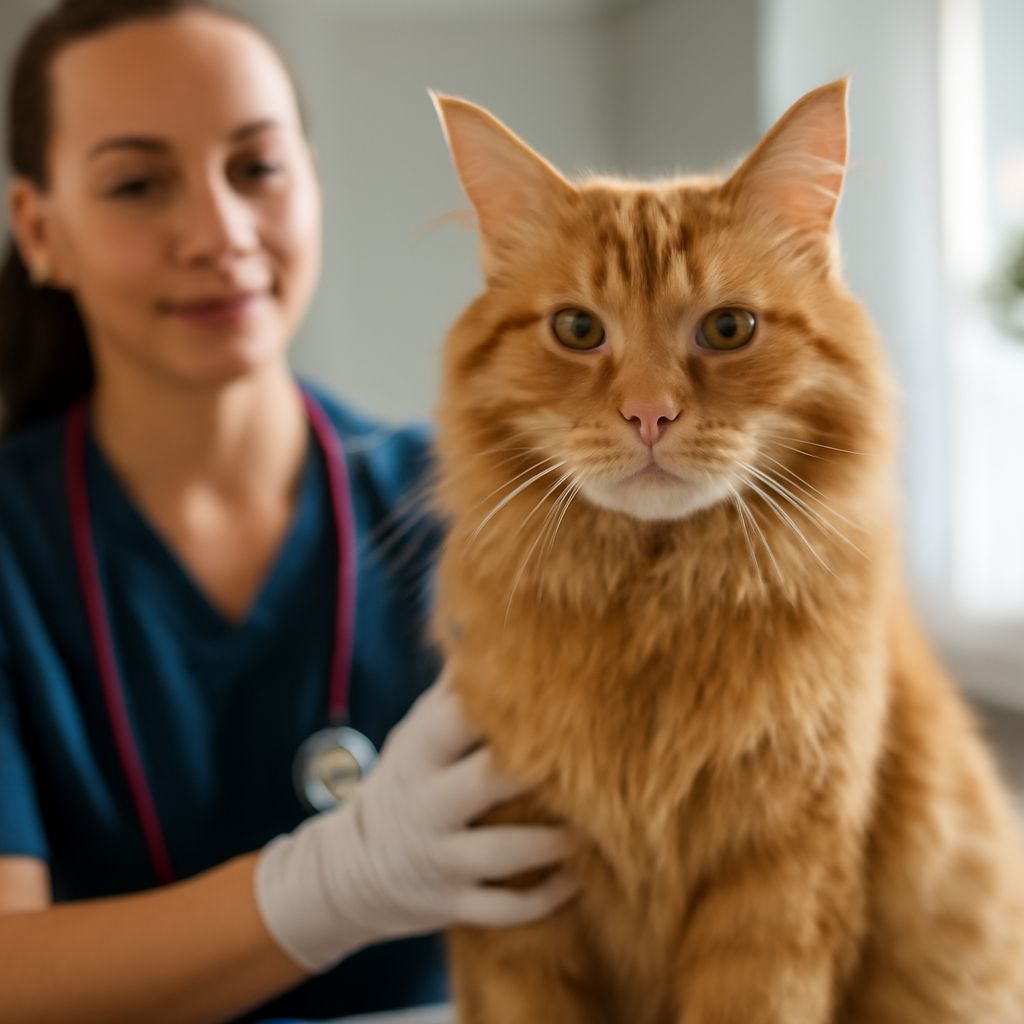
Imagine noticing a small, unusual lump on your beloved feline’s belly. You might dismiss it initially, thinking it’s just a minor bump from a playful tumble. However, as days turn into weeks, you begin to notice subtle shifts in your cat’s behavior, like a change in appetite or a reluctance to engage in its usual frolics. You’re worried and decide it’s time to consult a veterinarian. This scenario underscores the importance of recognizing early cancer symptoms in cats. Understanding the signs and treatments of cat tumors can make a significant difference in your pet’s health and longevity.
In this guide, we’ll explore essential topics related to feline cancer, including what constitutes a cat tumor, the different types, and potential causes. Knowing these details not only aids in identifying the signs of cat cancer but also prepares you for the available treatment options, ensuring that your furry friend receives the best possible care.
Understanding Cat Tumors
What Is a Cat Tumor?
A cat tumor is an abnormal growth of cells that can occur in various parts of a cat’s body. These growths can be benign, meaning they are non-cancerous, or malignant, indicating cancer. Tumors vary significantly in size, shape, and the symptoms they cause, impacting the overall health of your cat.
Types of Cat Tumors
There are several types of tumors that can affect cats, including lymphomas, mast cell tumors, and fibrosarcomas. Lymphomas are common and often affect the lymphatic system. Mast cell tumors can develop on the skin or within internal organs, while fibrosarcomas typically appear in connective tissues. Identifying the specific type of growth is crucial for determining the appropriate treatment path.
Causes of Cat Tumors
The exact causes of tumors in cats are often unknown, though several factors can contribute. Genetics, exposure to certain viruses, environmental elements, and even a cat’s age can play roles in tumor development. For instance, feline leukemia virus (FeLV) is known to increase the risk of certain cancers in cats.
Recognizing Cancer Symptoms in Cats
Physical Cancer Symptoms in Cats
Physical signs of cancer in cats can include lumps under the skin, unexplained weight loss, difficulty breathing, or persistent sores that do not heal. Keep an eye out for changes in your cat’s coat, as dull or thinning fur might also indicate underlying health problems.
Behavioral Changes in Cats with Cancer
Cancer can cause noticeable behavioral changes in cats. You might observe your cat becoming less active, more withdrawn, or displaying changes in eating and drinking habits. Increased vocalization or hiding more than usual can also be indicators of discomfort or pain.
When to Consult a Veterinarian
If you notice any physical or behavioral signs that could indicate cancer, it is vital to consult a veterinarian promptly. Early detection significantly improves the chance of successful treatment, so don’t delay seeking professional advice if you suspect something is amiss with your pet’s health.
Exploring Cat Cancer Treatment Options
Surgical Options for Cat Cancer
Surgery is a common treatment for many types of cat tumors. The goal is often to remove the entire tumor, which can sometimes lead to a cure if the cancer has not spread. However, the feasibility and success of surgery depend on the tumor’s location and stage.
Chemotherapy for Cats
Chemotherapy involves using drugs to kill cancer cells and is typically used when cancer is widespread or surgery is not possible. While it may cause side effects like vomiting or lethargy, many cats tolerate chemotherapy well, and it can significantly extend their quality of life.
Alternative Treatments for Cats with Cancer
In addition to conventional treatments, some pet owners explore alternative options such as acupuncture, dietary changes, or herbal supplements. While these methods can support overall wellbeing, they should not replace standard veterinary care.
Post-Treatment Care for Cats
Post-treatment care plays a critical role in recovery. Cats may require special diets, medications, and regular follow-up visits to monitor their health. Providing a stress-free environment and ensuring your cat’s comfort can also aid in their recovery process.
Identifying Cat Cancer Signs Early
Regular Health Checks
Routine health checks are vital for early detection of cancer signs in cats. Regular veterinary visits can help catch abnormalities before they become severe, allowing for prompt intervention.
Monitoring Changes in Behavior and Appearance
Keep a close eye on any shifts in your cat’s behavior or appearance. Sudden changes may indicate underlying health issues that warrant a vet’s attention. Maintaining a journal of your cat’s habits can help spot trends that might otherwise be overlooked.
Safety recap: If you suspect your cat may have cancer, consult with a veterinarian to explore appropriate treatments and care options. Regular monitoring and prompt veterinary attention are key to ensuring your pet’s wellbeing during treatment.