
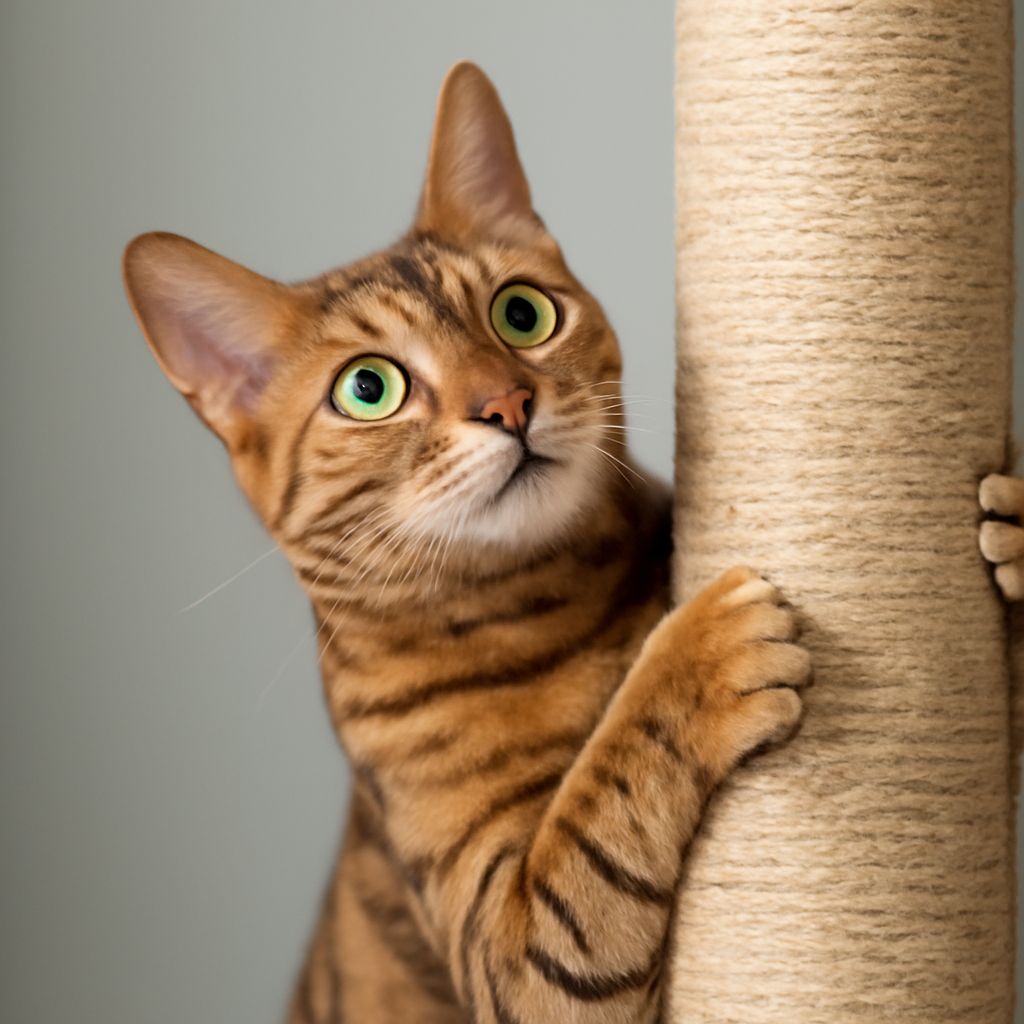
Imagine coming home after a long day, eager to relax with your feline companion. Instead, as you open the door, your anxious cat darts away, hiding under the bed. You wonder, “Does my cat have anxiety?” It’s a question many cat owners find themselves asking when faced with sudden changes in their pet’s behavior. Anxiety in cats is more common than you might think, and understanding cat anxiety is crucial to ensuring your furry friend’s well-being.
Much like humans, cats can experience anxiety due to various factors. But can cats have anxiety to a degree that affects their daily lives? Recognizing the signs of an anxious cat early can lead to effective solutions and a harmonious home environment. Let’s explore how to identify, understand, and address anxiety in our feline friends.
What Is Cat Anxiety?
Understanding Cat Anxiety
Cat anxiety is characterized by fear or apprehension, often without an immediate threat. It involves heightened stress levels that can persist over time, affecting your pet’s health and behavior. Fearful situations can trigger anxiety, leading cats to exhibit symptoms such as hiding, aggression, or excessive grooming.
Common Symptoms of Cat Anxiety
Common symptoms that may indicate anxiety in your cat include excessive vocalization, inappropriate urination or defecation, and changes in appetite. These behavioral changes can signal underlying stress, making it crucial to observe and address these signs early.
Causes of Anxiety in Cats
Environmental Factors
Environmental changes can significantly impact your cat’s anxiety levels. Moving to a new home, introducing new pets, or even rearranging furniture can create a stressful environment for a cat. An over-stimulating or chaotic household might also contribute to increased anxiety.
Health-Related Issues
Health-related issues can be a major cause of anxiety in cats. Pain or illness, like urinary tract infections or arthritis, can lead to discomfort and stress. It’s essential to consult a veterinarian to rule out physical causes of anxiety.
Changes in Routine
Even minor changes in routine, such as new family members or altered feeding times, can unsettle cats. These changes can disrupt their sense of security, leading to anxiety. Maintaining a consistent routine helps minimize stress for your feline friend.
Signs Your Cat May Be Anxious
Behavioral Signs of Anxious Cats
Behavioral signs of anxiety include increased aggression, withdrawal, and decreased interest in play or interaction. If your cat starts avoiding interaction or becomes overly aggressive, it may be an indication of stress.
Physical Signs of Anxiety
Your cat may display physical signs such as trembling, dilated pupils, or excessive shedding. These symptoms often accompany behavioral changes and should be monitored closely to assess stress levels.
Does My Cat Have Anxiety? Recognizing the Signs
Recognizing the signs of anxiety requires careful observation of your cat’s normal and abnormal behaviors. Increased vocalization, lethargy, or sudden changes in grooming habits can all suggest anxiety. Pay attention to these signs and consult a veterinarian for guidance.
How to Help an Anxious Cat
Creating a Safe Environment
Creating a safe environment is one of the most effective ways to reduce anxiety. Provide hiding spots, quiet areas, and vertical spaces for your cat to retreat and feel secure. A peaceful surrounding can help alleviate stress.
Behavioral Interventions
Behavioral interventions, such as regular playtime and interactive toys, can help distract and engage your cat, reducing anxious behaviors. Consistent routines and positive reinforcement can also support a sense of safety and comfort.
Medical Treatments
In some cases, medical treatments may be necessary to manage severe anxiety. Consult your veterinarian about potential treatments, such as calming supplements or medications. Never medicate your cat without professional guidance.
Can Cats Have Anxiety? Addressing the Causes
Addressing the causes of anxiety involves understanding and mitigating stress triggers. Identifying environmental, health, or routine-related stressors can help tailor solutions to your cat’s needs. Proactively managing these factors is key to reducing anxiety levels.
Bottom line: Dealing with an anxious cat requires patience and understanding. By recognizing the signs early and implementing supportive measures, you can help your feline friend feel more secure and relaxed. Remember, creating a stable and comforting environment is pivotal in alleviating cat anxiety.