
Imagine bringing home a new furry companion to join your existing feline family member. You’re excited about the idea of a new friend for your cat, but instead of harmonious play, you’re met with hissing and tension. You might wonder, how do cats play with each other and form lasting bonds? Understanding how to get cats to like each other can prevent conflicts and nurture a peaceful household.
By encouraging grooming and recognizing the importance of territory, you can transform their relationship from rivalry to friendship. This guide explores how to help your cats engage positively and avoid dominance struggles, ensuring your home is filled with peace and playful purrs.
Understanding Cat Behavior and Socialization
Why Cats May Not Get Along
Cats are naturally territorial creatures. When a new cat enters a household, the resident cat may view it as a threat, leading to discord. Understanding the nuances of feline socialization is key to easing these tensions. Cats possess unique personalities and preferences, which may clash initially. Identifying these individual traits can help you foster a more peaceful interaction.
Recognizing Signs of Aggression
Observing your cats’ body language is crucial. Signs of aggression include hissing, growling, and swatting. These behaviors are instinctive responses to perceived threats. Differentiating between playful and aggressive interactions can prevent escalation and promote a safe environment for both cats.
The Role of Territory in Cat Relationships
Territorial instincts play a significant role in how cats interact. Each cat needs a space they can claim as their own, complete with food, water, and bedding. Providing these separate areas will reduce competition and help establish a sense of security, paving the way for a smoother introduction.
How to Get Cats to Like Each Other
Introducing Cats to Each Other
Gradual introductions are essential. Start by exchanging scents between cats using a cloth and letting them explore each other’s spaces separately. Over time, allow brief, supervised meetings, gradually increasing their duration as the cats become more comfortable.
Creating Safe Spaces for Each Cat
Each cat should have access to a sanctuary where they can retreat and relax without intrusion. This space should include essentials like toys, scratching posts, and comfortable resting spots. Safe spaces are critical in reducing stress and promoting positive interactions.
Using Play to Encourage Positive Interactions
Interactive play is an excellent way to encourage bonding. Engage both cats in joint play sessions using toys that mimic prey, such as feathers or laser pointers. This activity can help channel their energy positively and encourage cooperation.
Understanding the Role of Grooming and Dominance
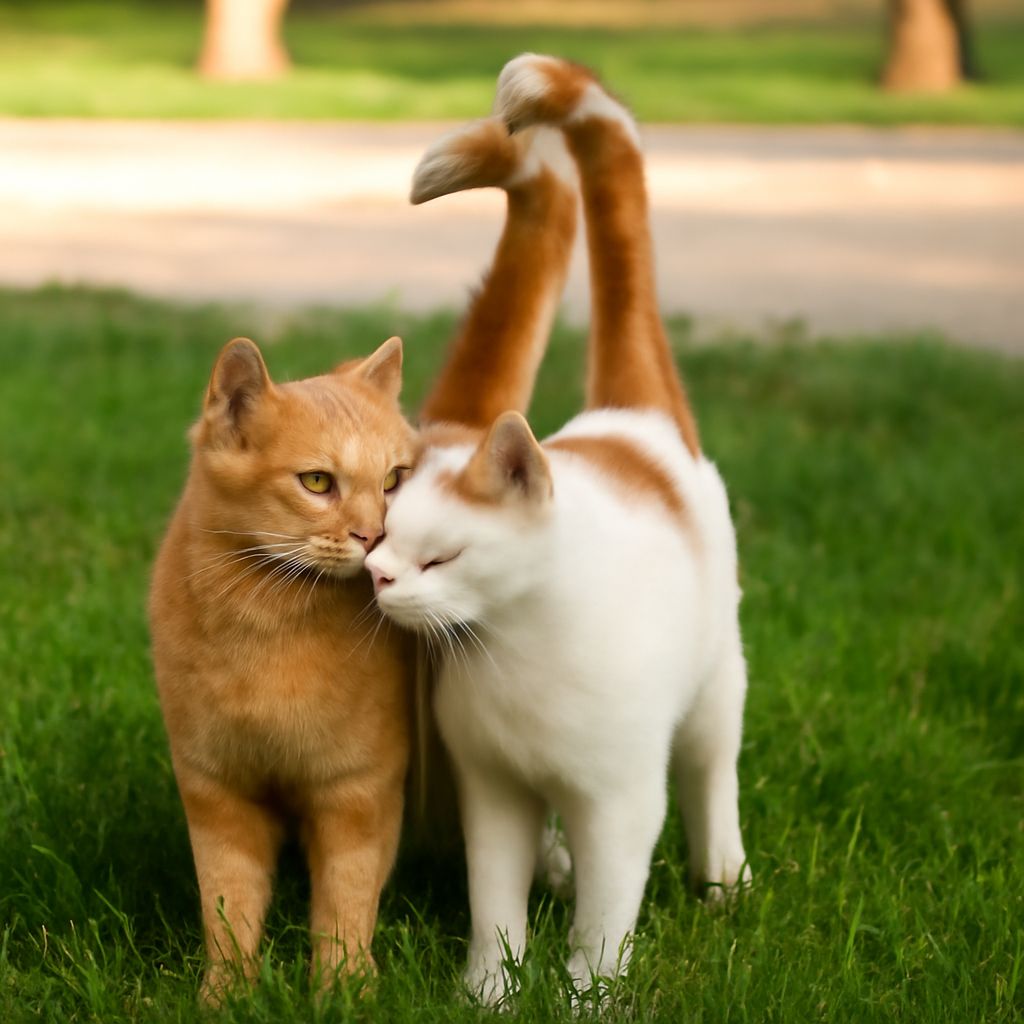
Grooming is a social behavior that establishes bonds and hierarchy. Encouraging mutual grooming can help reduce dominance-related conflicts. Cats often groom themselves or their companions to show acceptance and trust, indicating a friendly relationship.
How Do Cats Play with Each Other
Different Types of Cat Play
Cat play can range from mock stalking and pouncing to chasing. Recognizing these behaviors as play rather than aggression is vital for owners hoping to encourage friendly interactions. Playful behavior often includes a relaxed posture and a playful demeanor.
Benefits of Cats Playing with Each Other
Playtime is not only enjoyable but also vital for physical health and mental stimulation. Cats that engage in regular play with each other tend to exhibit fewer behavioral problems and enjoy a stronger bond.
Signs of Play versus Aggression
Distinguishing between play and aggression involves observing the cats’ reactions. Playful cats will often take turns chasing and pouncing, while aggressive behavior may include sustained hissing or biting. Paying attention to these cues can help you manage interactions effectively.
Managing Cat Conflicts
When to Intervene in Cat Fights
Intervention is necessary when conflicts escalate into physical fights. Use a soft cloth or toy to gently separate them, taking care not to get injured. Avoid yelling, as it may increase stress and aggression.
How to Get Rid of Cat Aggression
Addressing aggression involves patience and strategic interventions. Providing stimulation through toys and vertical spaces like shelves or cat trees can redirect aggressive energy. Consider consulting a cat behaviorist for persistent issues.
Long-term Strategies for Harmony
Establishing a routine can foster a sense of security and reduce anxiety. Consistent feeding times, play sessions, and affection can lead to a more harmonious relationship. Over time, with patience and persistence, your cats may develop a genuine friendship.
Next steps: To maintain a peaceful environment, regularly assess your cats’ interactions, making adjustments to their environment as necessary. Encourage play and continue to offer individual attention to each cat, ensuring their emotional and physical well-being is prioritized.