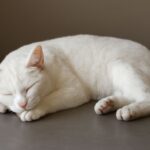
You scratch your cat’s belly during cuddle time and realize you can barely feel the ribs under that layer of fluff. You start wondering: is my cat overweight, or is this just a big-boned cat? It’s a fair question, and one that matters a lot for your cat’s long-term health. Why is my cat fat isn’t always easy to answer without some guidance, since cats carry weight differently than humans do.
A cat overweight situation doesn’t happen overnight. It builds gradually through small daily calorie surpluses that compound over months and years. My cat is overweight is one of the most common things vets hear from owners who didn’t notice the change happening. And if you’re thinking my cat is getting fat but aren’t sure whether to act on it, the answer is yes: earlier intervention is always easier than reversing established obesity.
How to Tell If Your Cat Is Overweight
The Rib Check
Stand your cat up and run your hands along both sides of the chest. You should be able to feel the individual ribs without pressing hard. A thin layer of fat over them is normal. If you have to press firmly to find the ribs, or can’t feel them at all, your cat is carrying excess body fat. This is the most reliable hands-on assessment you can do at home.
The Waist Check Look at your cat from above. A healthy cat has a visible waist, a slight narrowing between the ribcage and the hips. If the sides run parallel with no inward taper, or if there’s actually an outward bulge at the midsection, the cat is overweight. From the side view, the belly should tuck up slightly behind the ribcage. A hanging belly pouch with no tuck is a clear indicator of excess weight.
Body Condition Score Vets use a 1-to-9 body condition scale where 5 is ideal, 1 is severely underweight, and 9 is obese. Most overweight cats score 6 or 7. Asking your vet to score your cat at the next checkup gives you a consistent baseline to track against over time. Many clinics will do a quick weight and body condition check between full appointments.
Behavioral Signs An overweight cat often becomes less active over time because extra weight makes movement uncomfortable. You might notice less jumping, less interest in play, or difficulty grooming hard-to-reach spots like the base of the tail and the lower back. These are practical signs that excess weight is already affecting quality of life.
Why Cats Gain Weight
Overfeeding Dry Food
Dry kibble is calorie-dense, and most feeding guidelines on packaging are broader than necessary. A cup of dry food is typically double what an average indoor cat needs per day. Free-feeding arrangements where food is always available make it easy for cats to consume far more than they burn.
Treats and Table Scraps
Treats add up fast. A few dental chews plus a couple of lick treats plus the occasional scrap from dinner can add 100 calories or more to a cat’s daily intake. For a small cat with a 200-calorie daily requirement, that’s half the daily budget in extras.
Low Activity Levels
Indoor cats that lack interactive play opportunities burn fewer calories. The instinct to hunt is strong, but without an outlet it goes unused. Daily structured play with a wand toy or laser pointer helps maintain muscle tone and keeps calorie burn in a healthier range.
Age and Metabolism
Cats over 7 years old have slower metabolisms. The same amount of food that kept them lean at age 3 may produce gradual weight gain by age 8. Switching to a senior formula with adjusted calorie density at this life stage helps prevent the slow creep upward.
How to Help Your Cat Lose Weight
Measure Food Precisely
Switch from estimating to actually measuring every meal with a kitchen scale or measuring cup. Ask your vet for a target calorie range based on your cat’s ideal weight, not current weight, and calculate portions from there. Most cats need 20 to 25 calories per pound of ideal body weight per day.
Switch to Wet Food or High-Protein Dry
Wet food has higher moisture content, which creates satiety at fewer calories. High-protein, low-carbohydrate formulas help preserve muscle mass during weight loss. A gradual transition over two weeks prevents digestive upset.
Increase Play
Two 10-minute interactive play sessions daily help burn calories and keep the cat mentally engaged. Rotate toys to maintain novelty. Puzzle feeders that make the cat work for food extend mealtime and add light activity to the routine.
Next Steps
Schedule a vet appointment to confirm your assessment and get a target weight goal. Weigh your cat monthly and adjust food portions if the scale doesn’t move in the right direction within 4 to 6 weeks. Slow, steady weight loss of about 0.5 to 1 percent of body weight per week is safe. Faster weight loss in cats can cause a serious liver condition called hepatic lipidosis, so patience and consistency matter more than speed.