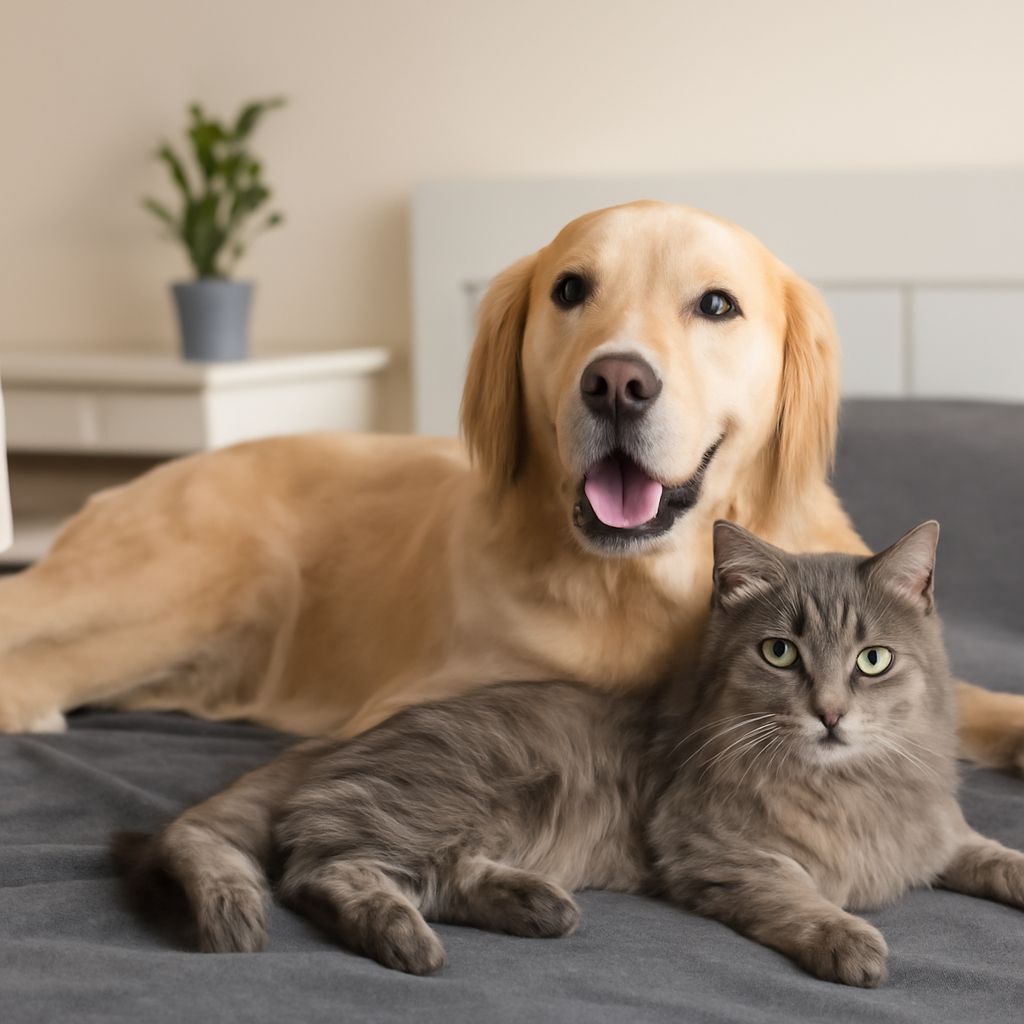
Imagine waking up to a serene morning, the sun gently streaming through your window. As you sip your coffee, you glance at your cat calmly grooming itself in the corner of the room. The sight is almost meditative, a testament to the fastidious cleanliness that cats are known for. In contrast, your dog bounds in from the yard, trailing mud and excitement. It’s a stark reminder of the age-old debate: are cats cleaner than dogs? Beyond their grooming habits, cats exhibit unique social behaviors that sometimes lead people to wonder, are cats social animals, or are they simply aloof and independent? This curiosity often extends to understanding why cats can be perceived as jerks, a label rarely associated with their canine counterparts.
Join us as we delve into the fascinating world of feline behavior, examining their grooming rituals, social traits, and the aggressive tendencies that shape their interactions with the world and each other.
Understanding Feline Cleanliness
Natural Grooming Habits
Cats are renowned for their meticulous grooming habits. They spend a significant portion of their day licking their fur clean, using their rough tongues to remove dirt and debris. This self-cleaning mechanism not only keeps them tidy but also helps to distribute natural oils across their fur, maintaining a healthy coat.
Cats vs Dogs: Cleanliness Debate
The debate over whether cats or dogs are cleaner is rooted in their distinct behaviors. Cats, with their innate grooming routine, often appear cleaner than dogs, who rely more on their human companions for baths. While dogs enjoy rolling in various scents, cats prefer environments that align with their grooming standards.
Why Are Cats Clean Animals?
Historically, cleanliness in cats stems from their solitary hunting lifestyle, where scent-masking was crucial for survival. By grooming themselves, cats remove odors that might alert prey or predators to their presence. This evolutionarily ingrained behavior underscores why cats are clean animals by nature.
Social Traits of Cats
Are Cats Social Animals?
The perception of cats as solitary creatures is not entirely accurate. While they are more independent than dogs, cats are social animals in their own right. They form bonds with humans and other animals, often displaying affection through purring, kneading, and head-butting.
Comparing Cat and Dog Social Behaviors
Cats and dogs exhibit distinct social behaviors that reflect their evolutionary histories. Dogs, being pack animals, thrive on social interaction and often seek companionship. Cats, however, engage in socialization on their terms, valuing independence while still enjoying connection with their trusted circle.
Why Are Cats Perceived as Jerks?
Cats often earn the reputation of being aloof or jerks due to their independent nature. Unlike dogs, cats may not always respond to commands or seek constant attention, leading to misunderstandings about their behavior. However, this independence is simply a facet of their unique personality.
Aggression in Cats
Understanding Aggressive Behaviors
Aggression in cats can manifest for various reasons, ranging from territorial disputes to fear-induced reactions. Understanding these triggers is essential for managing aggressive behavior, ensuring a safe and harmonious environment for both the cat and its human family.
Social and Aggressive Tendencies
Cats display a complex blend of social and aggressive tendencies. While they are capable of forming deep bonds, they may also exhibit aggression as a defense mechanism. Recognizing the signs of feline aggression can help in addressing and mitigating these behaviors effectively.
How Environment Affects Cat Behavior
The environment plays a significant role in shaping a cat’s behavior. A stable, enriching environment can reduce stress and minimize aggressive outbursts. Providing ample space, stimulation, and resources for individual play can support a balanced and well-adjusted cat.
Next Steps: Fostering a deeper understanding of your cat’s behavior involves consistent observation and adaptation. Encourage cleanliness by providing grooming tools and maintaining a tidy environment. To nurture social behaviors, engage in regular interactive play and offer positive reinforcement. Finally, manage aggression by creating a calm, secure space for your feline friend, promoting a harmonious coexistence.