
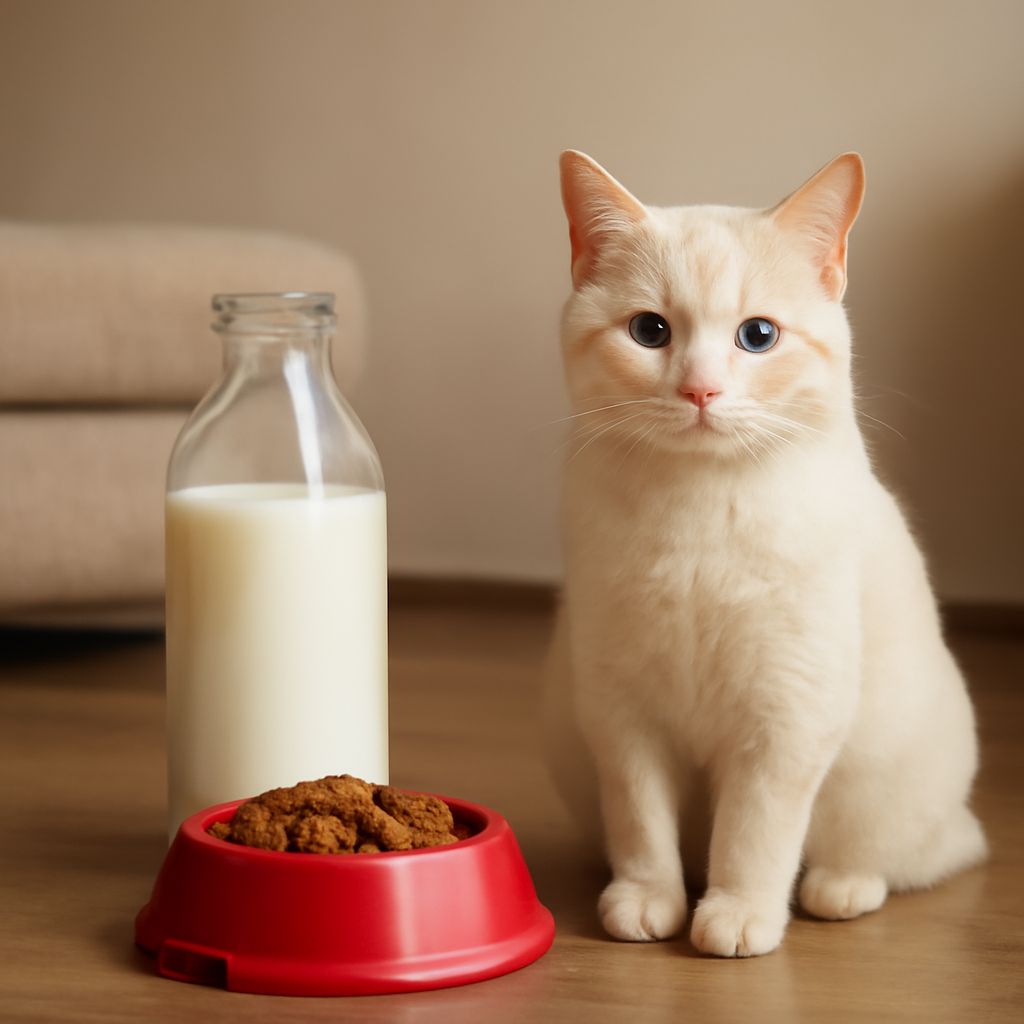
Imagine sitting in a cozy corner of your home, sipping your morning coffee, when suddenly a curious feline companion jumps onto the table. With wide eyes, your cat gazes at the bowl of milk you absentmindedly placed beside your cup. You pause, wondering if this classic scenario from popular culture is actually safe for your furry friend. Is milk good for cats, or are you about to make a nutritional mistake?
In this article, you’ll discover whether milk is ok for cats and explore the intricacies of feline nutrition, so you can understand if offering milk to your cat is a wise choice. Let’s unravel the truth about cats and milk together.
Understanding Cats and Milk
The History of Milk and Cats
Throughout history, images of cats lapping up bowls of milk have been a staple in literature and art. The bond between cats and milk seems almost instinctual, as if it were written into the very narrative of feline existence. Yet, the relationship between cats and this creamy beverage is more one of convenience found in farming communities, rather than of biological necessity.
Why Cats Drink Milk in Popular Culture
Popular culture often depicts cats drinking milk as a quintessential activity. This image originates from times when cats were kept in barns for pest control and had easy access to dairy products. In reality, many cats are drawn to milk due to its rich taste and texture, not because it’s inherently suited to their dietary needs.
Nutritional Needs of Cats
Cats are obligate carnivores, meaning their nutritional requirements are primarily sourced from animal protein. They thrive on a diet rich in meat, which provides essential amino acids like taurine that are crucial for their health. While milk contains some protein, it lacks the comprehensive nutrients cats require for optimal wellbeing.
Is Milk Ok for Cats?
Benefits of Milk for Cats
Milk can offer cats a source of hydration and a small boost of protein. Some cats enjoy milk as a rare treat, and it can be a bonding moment between pet and owner. However, these benefits are marginal compared to the risk of digestive discomfort in lactose-intolerant cats.
Potential Health Risks
The majority of adult cats are lactose intolerant, meaning they lack the enzyme lactase required to break down lactose in milk. Consuming milk can lead to digestive issues like diarrhea and stomach upset. Even if cats drink milk enthusiastically, it doesn’t mean it’s safe for them.
Alternatives to Milk for Cats
If you’re determined to offer your cat a creamy treat, consider lactose-free milk or specially formulated cat milk sold at pet stores. These alternatives are crafted to cater to feline digestion, minimizing the risk of intolerance and ensuring your cat’s enjoyment without discomfort.
How to Safely Offer Milk to Cats
Types of Milk Safe for Cats
Lactose-free milk and cat-specific milks are the safest options for your feline friend. These products are designed to be more easily digestible for cats, allowing them to enjoy the experience without adverse effects on their health.
How Much Milk Can Cats Drink?
When offering milk to cats, moderation is key. A small dish once in a while is generally safe for those who tolerate it well. Overindulgence, however, can lead to unnecessary caloric intake and digestive upset, so limit the servings to occasional treats.
Signs of Lactose Intolerance in Cats
Watch for signs like loose stools, gas, or bloating if your cat consumes milk. These are common indicators of lactose intolerance. If such symptoms occur, it’s wise to discontinue milk offerings and consult your veterinarian for feline dietary advice tailored to your pet’s needs.
Key takeaways: Though often depicted engagingly in culture, milk is not a necessity for cats’ diets. While some cats may enjoy milk safely, most adult cats are lactose intolerant. Opt for lactose-free or specially formulated options when offering milk, and always prioritize your cat’s health by observing any signs of intolerance.