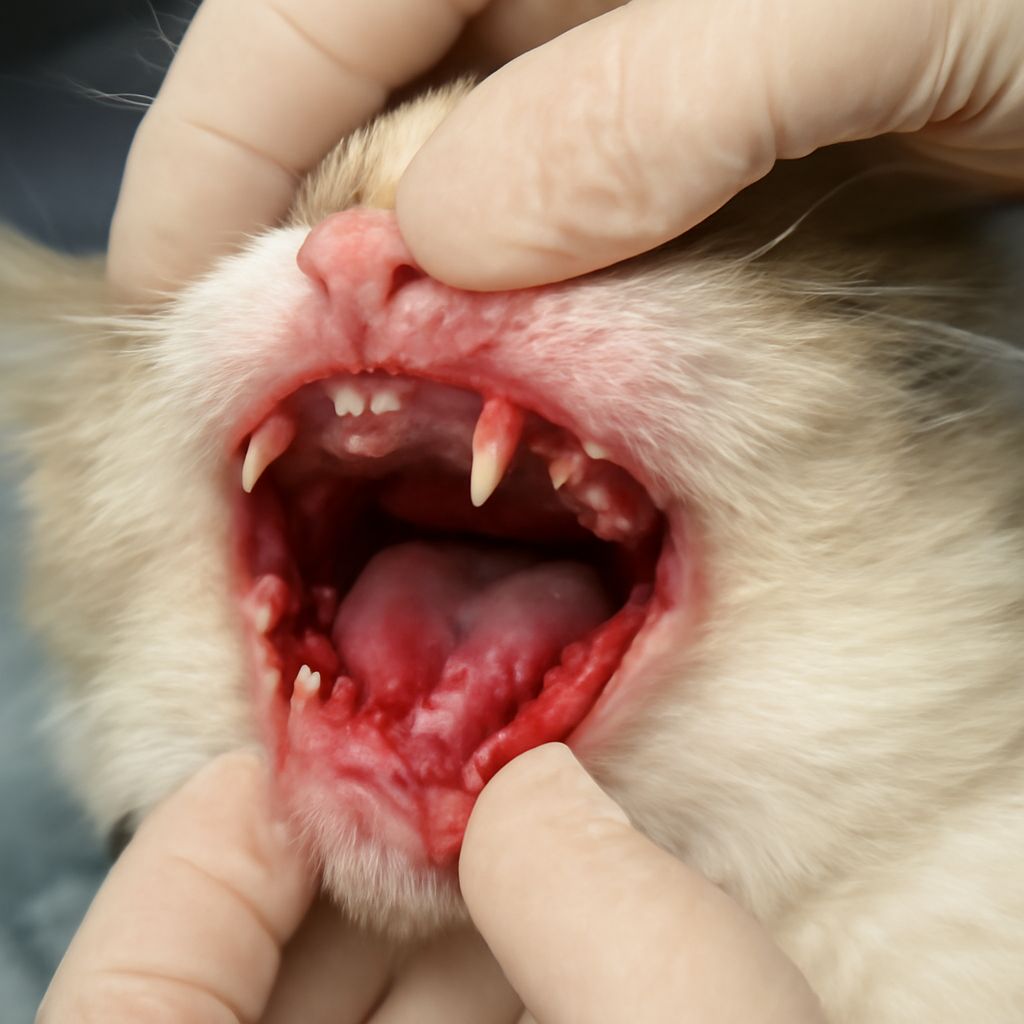
Imagine this: You’re enjoying a quiet evening at home when you notice your cat acting unusually. Upon closer inspection, there’s a troubling sight—your beloved cat is bleeding from the mouth. Panic sets in, and questions flood your mind. Could it be stomatitis in cats? Is it serious enough to worry about cat dyspnea? Your mind races as you wonder if there are home remedies for cat mouth pain that you can try immediately. You realize that understanding the potential causes and solutions is crucial to ensuring your feline friend’s health and comfort.
Understanding Cat Bleeding from Mouth
Common Causes of Cat Mouth Bleeding
Cat mouth bleeding can result from various issues, ranging from minor to serious concerns. Dental disease is a prevalent cause, with gingivitis and periodontitis leading to inflammation and bleeding gums. Oral injuries, such as cuts from sharp objects, can also result in bleeding. Infections caused by bacteria or viruses might lead to ulcers, which can bleed. Additionally, tumors in the oral cavity, although less common, can contribute to bleeding.
When to Seek Veterinary Care
While some causes of oral bleeding may not be immediately life-threatening, it’s crucial to know when to consult a veterinarian. Persistent bleeding, noticeable swelling, or other concerning symptoms like drooling or bad breath should prompt a vet visit. Early intervention can prevent potential complications and ensure your cat receives appropriate care.
Recognizing Cat Dyspnea and Its Link to Oral Issues
Symptoms of Dyspnea in Cats
Cat dyspnea, or difficulty breathing, can manifest as rapid breath, open-mouth breathing, or wheezing. It’s a serious condition that requires immediate attention. While dyspnea can result from multiple causes, oral health issues such as severe infections or tumors can exacerbate breathing difficulties by causing obstructions or swelling.
How Dyspnea Relates to Dental Health
Oral diseases can indirectly lead to dyspnea in cats. Severe dental infections can spread bacteria to other parts of the body, affecting respiratory health. Additionally, oral tumors might grow large enough to impede airflow, making breathing difficult. Regular dental check-ups can help identify and address such issues before they become severe.
Is Stomatitis in Cats Deadly?
Symptoms and Diagnosis of Stomatitis
Stomatitis is an inflammatory condition affecting a cat’s mouth and gums. It presents with symptoms such as red, swollen gums, excessive drooling, and noticeable pain. A vet will diagnose stomatitis through a physical exam and possibly blood tests. While not inherently deadly, severe cases can significantly impact a cat’s quality of life if left untreated.
Treatment Options for Stomatitis
Treatment for stomatitis varies based on severity. It often involves a combination of dental cleanings, antibiotics, and anti-inflammatory medications. In some cases, tooth extraction may be necessary to reduce inflammation and pain. Working closely with your vet to tailor a treatment plan is crucial to managing this condition effectively.
Effective Home Remedies for Cat Mouth Pain
Natural Remedies for Cat Oral Pain
Several home remedies may alleviate mild mouth pain in cats. Offering soft food can reduce discomfort while eating. Coconut oil, known for its anti-inflammatory properties, can be gently applied to the gums. Additionally, chamomile tea, cooled and used as a rinse, may soothe irritated tissues. However, consult your vet before trying these remedies to ensure they’re appropriate for your pet’s condition.
Precautions When Using Home Remedies
While home remedies can provide temporary relief, they should not replace professional veterinary care. Always discuss any alternative treatments with your vet to avoid adverse reactions or interactions with prescribed medications. Monitoring your cat’s response to these remedies is essential to ensuring their safety and effectiveness.
How Long Can a Cat Live with Stomatitis?
Factors Affecting Cat Longevity with Stomatitis
The life expectancy of cats with stomatitis varies greatly depending on their overall health, the severity of the condition, and the care they receive. Regular veterinary visits and adherence to treatment plans can significantly improve outcomes. Cats that respond well to treatment often maintain a good quality of life for years.
Improving Quality of Life for Affected Cats
Ensuring a high quality of life for cats with stomatitis involves consistent medical care, a suitable diet, and regular dental cleanings. Owners should remain vigilant for signs of discomfort and work with their vets to adjust treatment plans as needed. A supportive home environment can make a significant difference in managing this chronic condition.
Pro tips recap: Regular dental check-ups and timely veterinary care are crucial in managing oral health issues in cats. Understanding the signs of dyspnea and stomatitis can lead to earlier diagnosis and better outcomes. While home remedies can provide temporary relief, they should be used cautiously and never replace professional care. Prioritize your cat’s health with informed decisions and collaborative care with your veterinarian.