You are standing in the pet aisle staring at a wall of options and wondering which cat collar is actually going to stay on, look good, and keep your cat safe. It is a reasonable thing to overthink. Cat collars come in a huge range of materials, closure types, styles, and price points — and the wrong choice can mean a collar that slips off, causes fur loss, or in a worst case, poses a safety risk. Getting this right matters more than most people realize.
Cat collars serve several real purposes: ID tags, visibility, flea prevention, and GPS tracker attachment. The best collar for cats balances those functions with comfort and safety. If you are after something that looks great as well as performs, designer cat collars offer real quality at a range of prices. And if you want something genuinely unique, an embroidered cat collar with your pet’s name stitched directly onto the band is a practical and stylish choice.
Safety First: What Every Cat Collar Needs
Breakaway Buckles Are Non-Negotiable for Outdoor Cats
A breakaway buckle releases under pressure — if a cat’s collar catches on a branch, fence, or piece of furniture, the buckle pops open and the cat escapes without injury. Standard snap buckles do not release, which is why veterinarians and cat welfare organizations consistently recommend breakaway closures for any cat that goes outdoors. Indoor-only cats have more flexibility, but breakaway is still the safer default.
Correct Sizing Prevents Problems
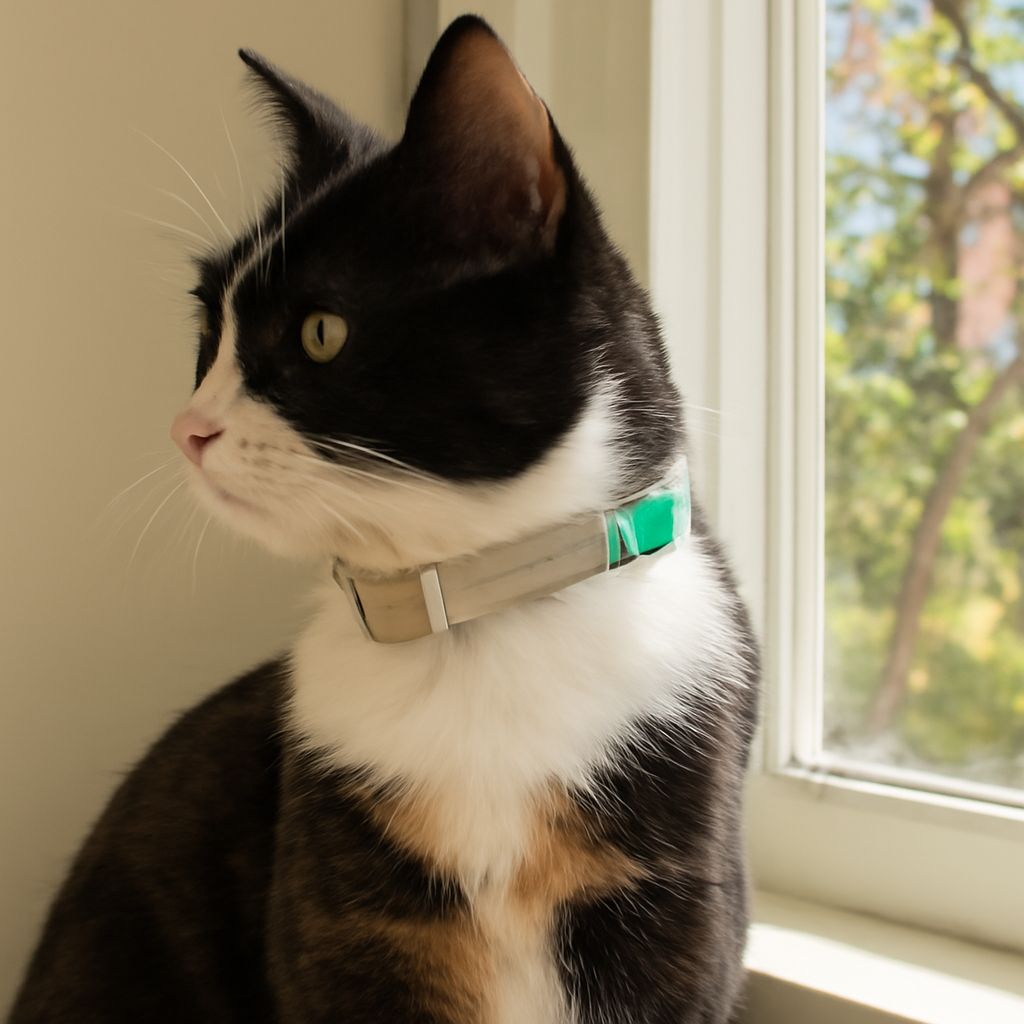
The two-finger rule applies to cat collars: you should be able to slide two fingers underneath the band when it is fastened, but not three. Too loose and the collar can snag on a lower jaw or paw during grooming. Too tight and it restricts breathing or causes pressure sores. Measure your cat’s neck with a soft tape measure before ordering any collar.
Reflective and Bell Features
A collar with reflective stitching or strips improves visibility at night — useful for outdoor cats near roads. Small bells alert wildlife to a cat’s approach, which is valuable if bird or wildlife conservation is a concern. Not all cats tolerate the bell sound, so monitor behavior after adding one.
Style and Material Options
Standard Nylon and Fabric Collars
Most basic cat collars are nylon or woven fabric. They are durable, easy to wipe clean, and available in every color. Fabric options often feature printed patterns. These are a practical first choice for most owners and work well as a base for ID tag attachment.
Designer Cat Collars Designer cat collars use premium materials — leather, suede, vegan leather, or high-thread-count fabric — and often feature hand-finished details like metal hardware, artisan dyes, or custom patterns. They cost more, but they also last longer and photograph beautifully. Several small businesses produce designer cat collar lines specifically aimed at owners who want their pet’s accessories to reflect a personal aesthetic.
Embroidered Cat Collar Options
An embroidered cat collar has your cat’s name or phone number stitched directly into the fabric band. This is a major practical advantage over a metal ID tag: tags jingle, can fall off their ring, and scratch furniture. An embroidered collar eliminates the tag entirely while keeping ID information always attached. Many custom collar shops offer embroidery in matching or contrasting thread colors.
Elastic and Stretch Panels
Some collars incorporate an elastic stretch panel alongside a breakaway buckle. This provides a second safety release mechanism. If the buckle does not pop in time, the elastic gives the cat enough room to back out of the collar. It is a good feature for cats that spend a lot of time outdoors in brushy or wooded areas.
When choosing among cat collars, prioritize safety features first, then fit, then style. Try the two-finger test after fitting any new collar and check it again a week later — cats can lose or gain a little weight and the fit changes. A well-chosen collar for cats should be comfortable enough that your cat stops noticing it within a day or two, which is the best signal that you got the size right.