
You are petting your cat and your fingers find something wrong — a wet patch of matted fur, a raw spot, or worse, an open wound on cat skin that clearly needs attention. Outdoor cats get into scrapes, but indoor cats can injure themselves too. Knowing how to handle this situation calmly can prevent infection and get your cat back to comfort faster.
You want to help, but you are not sure how to clean a wound on a cat without causing more stress or pain. Maybe it looks like an open sore on cat skin that appeared out of nowhere. Or you have been monitoring something for days and now you are worried because the cat wound won’t heal the way you expected. All of these are worth taking seriously, and this guide covers exactly what to do.
Assessing the Wound Before You Touch It
Signs the Wound Needs Emergency Care
Some cat wounds demand a vet visit before any home treatment. Get to an emergency clinic immediately if the wound is actively bleeding and will not stop after five minutes of gentle pressure, if muscle or bone is visible, if the cat is in obvious pain or cannot bear weight, or if you suspect a puncture from a bite. Bite wounds are deceptive — they look small but can introduce deep infection quickly.
Evaluating an Open Sore for Infection
An open sore on a cat that shows redness spreading beyond the wound edge, warmth, swelling, or discharge with a foul smell is already infected. Infected wounds need antibiotics, not just cleaning. If the surrounding skin is hot to the touch or the cat is running a fever (ears and paw pads feel unusually warm), call your vet the same day.
Checking Wound Depth and Age
A shallow scrape is very different from a deep cat wound. If you can see more than the top layer of skin, or if the edges are gaping, stitches may be needed. Older wounds — ones that have been present more than 12 hours — are more likely to be contaminated and harder to manage at home.
How to Clean a Wound on a Cat at Home
Supplies You Need
Gather saline wound wash (plain, no additives), clean gauze pads, blunt-tipped scissors if fur needs trimming, and disposable gloves. Avoid hydrogen peroxide and iodine at full strength — both damage tissue and slow healing in feline skin.
Step-by-Step Wound Cleaning
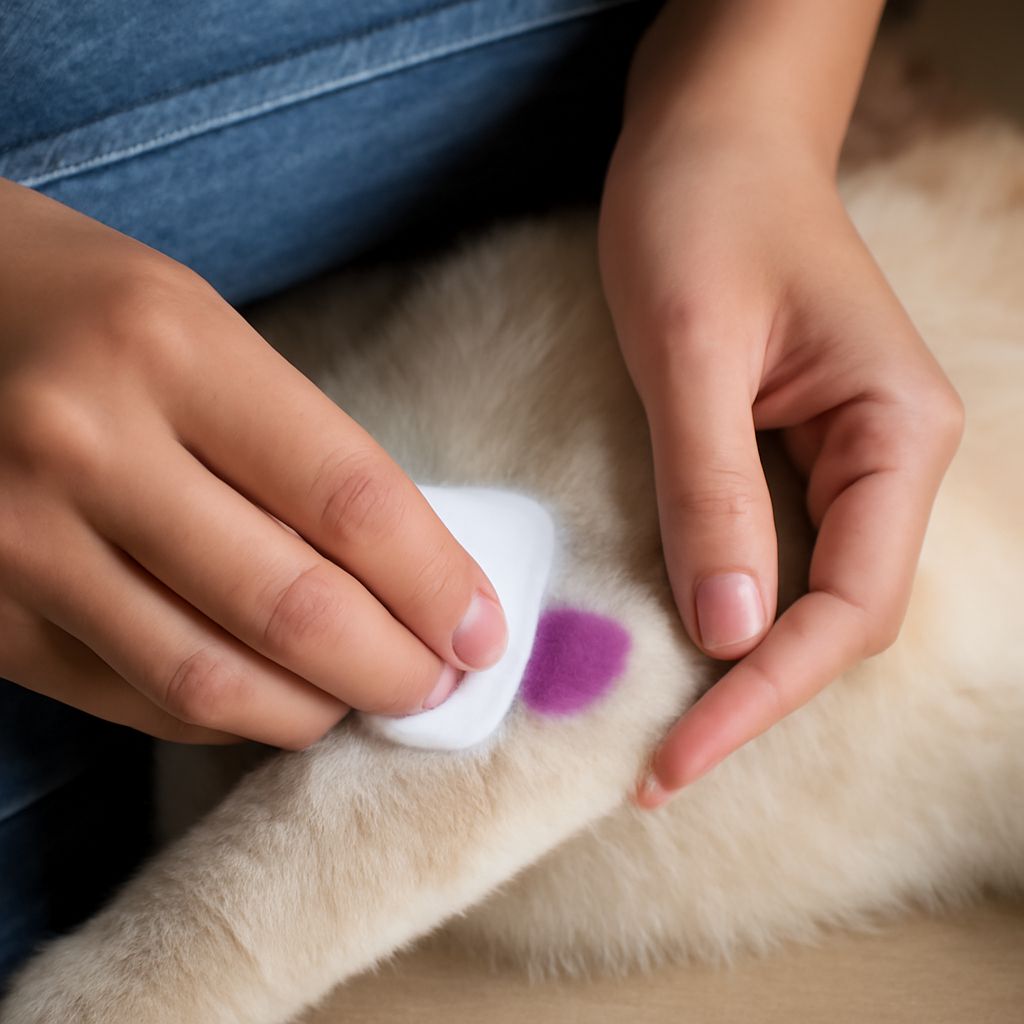
Wrap your cat in a towel to limit movement. Gently part the fur around the wound and trim it back if needed. Flush the wound thoroughly with saline — the goal is to rinse out debris and bacteria. Use gauze to blot (never rub) the area dry. Apply a thin layer of veterinary antiseptic ointment if your vet has recommended one. Learning how to clean a wound on a cat properly means being thorough but gentle at every step.
Covering the Wound
Most small cat skin wounds heal better when left uncovered and dry. However, if the cat is likely to lick or scratch the area, a light non-adhesive pad held with self-sticking bandage wrap can protect it. Change any covering daily and check for signs of worsening infection.
When a Cat Wound Won’t Heal
Timeline for Normal Healing
Minor abrasions should show clear improvement within three to five days. A healing feline wound will look less red, start to scab, and the cat will groom around it rather than obsessively licking it. If you see no improvement after five days, something is wrong.
Common Reasons Wounds Stall
A cat wound that will not heal often has an underlying cause: bacterial infection, a retained foreign object like a grass seed, allergic reaction to something the wound is exposed to, or an immune issue. Cats with diabetes or other systemic illness also heal more slowly than healthy cats.
Getting Veterinary Help
If the wound is not progressing, make a vet appointment. Your vet may need to flush the wound more deeply, prescribe oral antibiotics, or investigate whether a foreign body is involved. Do not keep waiting once the healing timeline has clearly stalled.
Safety recap: Always wear gloves when handling an open wound on cat skin to protect both you and your pet. Seek same-day veterinary care for any wound showing signs of infection, deep tissue involvement, or failure to improve within five days. When in doubt, a quick call to your vet is always the right move.