
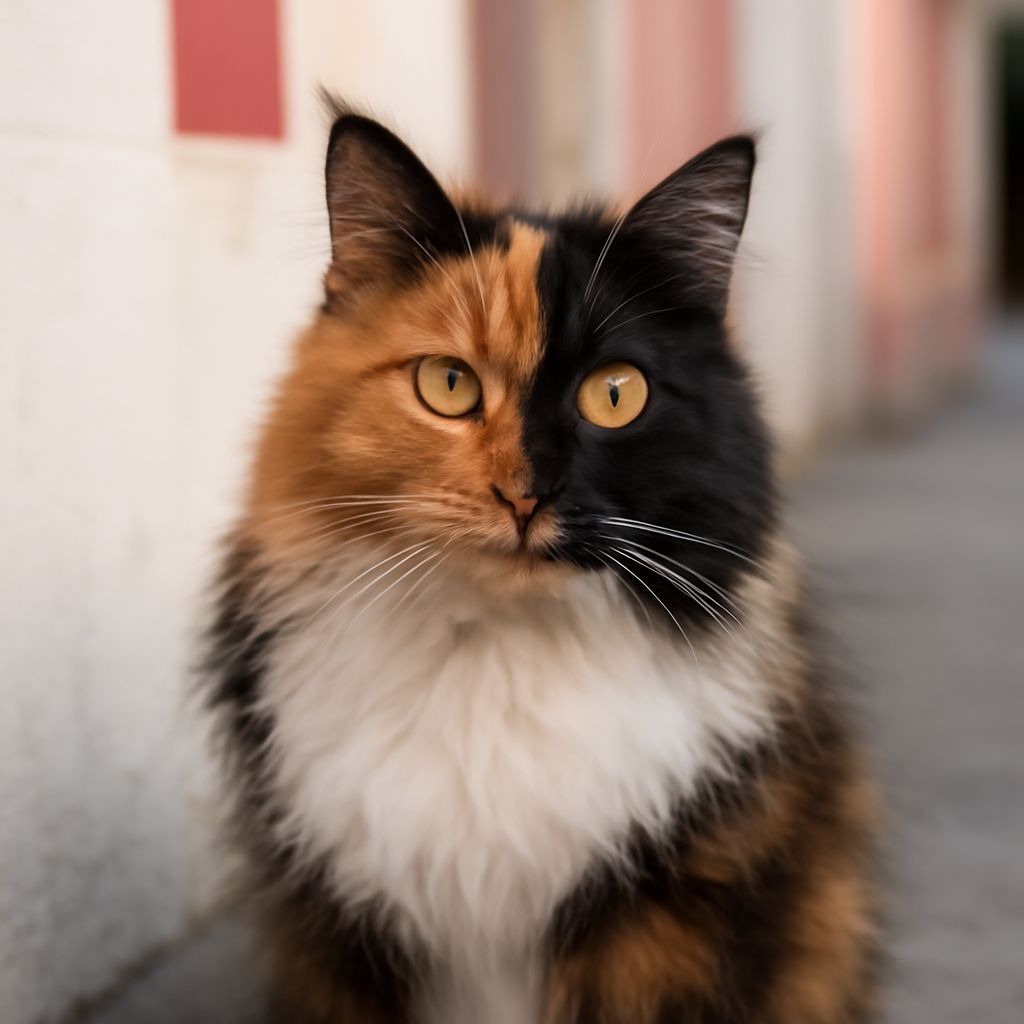
You’ve fallen for the Siberian — that broad-headed, heavy-coated, remarkably affectionate breed from Russia’s forests — and now you’re deciding which color you want. An orange Siberian cat catches the eye with its rich amber and gold tones. A white Siberian cat has a striking, almost ethereal quality. And if you’ve seen a calico Siberian cat, you know how rare and beautiful that three-color pattern looks on such a substantial coat.
Color choice often drives the search for a white Siberian cat or a specific coat pattern, but there’s more to this breed than appearance. Whether you’re looking for a siberian cat kitten in a particular shade, investigating calico siberian cat availability, or researching siberian forest cat breeders to find the right source, this guide covers what each color variation involves, what to expect from reputable breeders, and what makes each coat type distinct in this breed.
Siberian Cat Colors and What They Mean
Orange Siberian Cats Orange, or red, Siberians carry the O gene on the X chromosome. In males (XY), a single copy produces a fully orange cat. In females (XX), two copies are needed for a solid orange, which is why orange cats skew heavily male. The orange Siberian coat ranges from pale cream-gold to deep rust, often with tabby striping visible even on “solid” looking cats because true non-agouti red is genetically unusual. Orange Siberians tend to be warm-toned, dense, and stunning in the breed’s triple-layer coat.
White Siberian Cats
White in Siberians comes from one of three genetic sources: dominant white (W gene), white spotting (piebald), or point restriction producing blue-eyed whites. The W gene masks all other color and is associated with a small risk of deafness, especially in cats with blue eyes. Not all white-coated Siberians carry this gene — some are white due to piebald spotting or other mechanisms. A white Siberian cat with copper or odd eyes typically has lower deafness risk than one with two blue eyes. Reputable breeders screen white-producing litters accordingly.
Calico Siberian Cats Calico requires two X chromosomes carrying different color alleles — one orange, one non-orange — combined with white spotting. This is why calico cats are almost always female. A calico Siberian cat displays patches of orange, black (or their dilute equivalents: cream and blue-grey), and white across that dense triple coat. The pattern is random and never exactly repeated. Calico Siberians are not common, and kittens with well-distributed tricolor patches are particularly sought after.
Finding Reputable Siberian Forest Cat Breeders
What to Look for in a Breeder
Siberian forest cat breeders registered with TICA (The International Cat Association) or CFA operate under breed standards that include health testing. For Siberians specifically, HCM (hypertrophic cardiomyopathy) screening via echocardiogram is the most important health test to ask about. Siberians are one of the breeds with known HCM prevalence, and responsible breeders test breeding cats regularly — not just once.
Questions to Ask Before Buying
When contacting Siberian forest cat breeders about a specific siberian cat kitten — especially one of the rarer colors — ask these questions:
- Are both parents HCM-screened? How recently?
- Are kittens raised underfoot in a home environment?
- Do you provide a health guarantee and contract?
- What vaccinations and deworming have kittens received?
- Can I see photos of the parents?
Be cautious with breeders who have multiple litters always available, can’t show parent health records, or won’t let you visit. A good breeder for an orange, white, or calico Siberian kitten is selective about placements and typically has a waitlist.
Pricing and Availability
Siberian kittens from health-tested lines generally range from $1,200 to $2,500 depending on region, breeder reputation, and color. White Siberians with hearing-tested status and calico Siberians with strong tricolor patterning often sit at the higher end. Orange males are somewhat more common than females in that color, so pricing there tends to be more standard.
Coat Care Across All Colors
The Siberian’s triple coat — a dense undercoat, a middle layer, and longer guard hairs — requires brushing two to three times per week outside of shedding season, and daily during spring and autumn molts. Orange, white, and calico coats all require the same care; white coats simply show dirt and staining more readily, so white-coated cats near food bowls or water sources may need occasional facial wiping. The Siberian is notably lower in Fel d 1 protein than most breeds, which is why many owners with mild cat allergies tolerate them well — though no cat is fully hypoallergenic.
Next steps: Research TICA- or CFA-registered Siberian forest cat breeders in your region, ask specifically about HCM testing schedules, and get on a waitlist for the color you want. Good breeders are worth the wait — the health and temperament of your Siberian kitten depend directly on the care that went into the breeding program.