You just adopted a new cat and realized the generic collar from the shelter doesn’t suit her at all. You want something that reflects her personality, includes her name in case she ever slips out, and is actually comfortable for her to wear. That’s exactly where custom cat collars come in — they’re made to order, often hand-crafted, and designed to solve the problems that one-size-fits-all collars can’t.
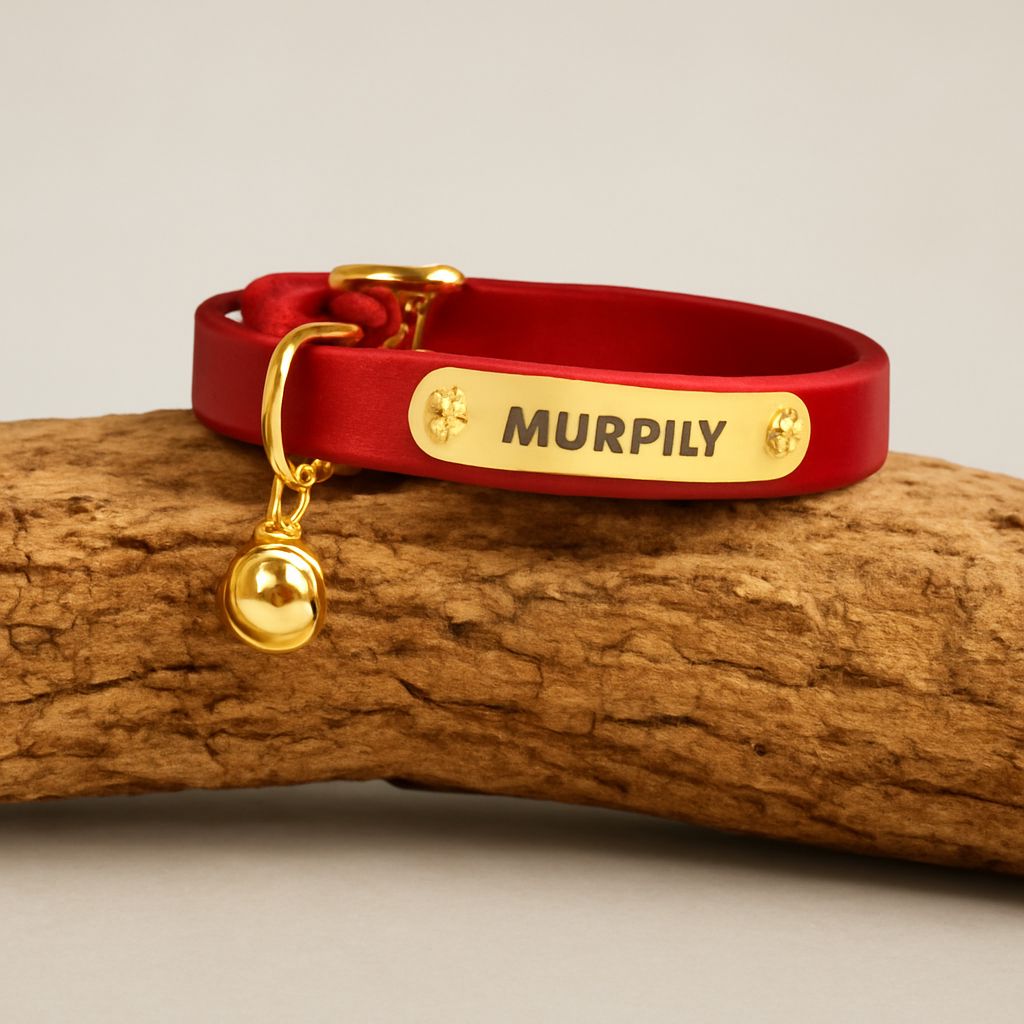
If you’ve been looking at personalized cat collars, you already know the options range from simple embroidered text to full leather engraving. Some owners want a custom cat collar that just has the cat’s name. Others want the phone number, a specific color, or even a small symbol. And a few are specifically searching for embroidered cat collars because they want something that holds up without the tag jangle. Whatever brought you here, there’s a personalized cat collar that fits what you’re looking for.
What to Look for in a Custom Cat Collar
The first thing to check is the safety release mechanism. Any collar made for a cat — whether standard or personalized — should have a breakaway buckle that releases under pressure. Cats are climbers and explorers, and a collar that won’t release when snagged on a branch or fence can cause serious injury. Embroidered and custom collars sometimes come without this feature as a default, so confirm it before ordering.
Width matters more than most people expect. Cat necks are narrow, and a collar that’s too wide will shift around constantly and rub the fur and skin underneath. Most cat collars land between 3/8 inch and 5/8 inch. Wider than that starts to feel uncomfortable for most breeds.
Material is worth thinking about too. Personalized collars come in nylon, leather, cotton, and velvet, among others. Nylon is durable and washable. Leather softens over time and looks good, but requires more care. Cotton and velvet options are softer against the skin but tend to absorb odor faster and may fade with regular washing.
Embroidered vs. Engraved vs. Tag Options
Embroidered cat collars are popular because the text is part of the collar itself — there’s nothing to lose and nothing to jingle. The thread is stitched directly into the material, usually nylon or a cotton blend. Quality embroidery holds up through regular wear and washing, though very thin thread on cheap collars can start to fray within a few months.
Engraved options, usually found on leather collars, have the name or number pressed or laser-etched into the surface. This looks clean and stays readable for a long time. The downside is that engraving is permanent, so if your number changes, the collar isn’t updatable.
The traditional tag approach — a flat or barrel tag attached to a standard ring — is still the most flexible option. You can update it without replacing the collar. The tradeoff is noise, especially if your cat wears multiple tags, and the possibility of the tag catching on something.
Getting the Right Measurements
For any custom cat collar, you’ll need your cat’s neck measurement. Use a soft measuring tape and measure around the base of the neck where the collar would sit. Add about two fingers of space — this is how you check the fit before the collar arrives. Most custom collar makers list sizing guides with their products; follow those rather than guessing by your cat’s weight or breed.
For personalized orders, double-check the text you’re submitting. Misspellings in embroidered or engraved collars usually can’t be corrected without remaking the piece, and some sellers don’t offer refunds for customer error.
Where to Order
Etsy has a large number of small makers who specialize in personalized cat collars, including embroidered options in a wide range of colors and fonts. Amazon carries both branded options and third-party custom items, though quality varies more. Dedicated pet boutique sites often have better material options and more consistent craftsmanship, though they may take longer to ship.
Caring for a Custom Collar
Embroidered nylon collars are generally machine washable on a gentle cycle, placed in a mesh bag. Leather collars should be wiped clean with a damp cloth and conditioned occasionally with a leather product safe for pets. Avoid soaking leather, as it can stiffen and crack.
Check the collar’s fit every few months, especially for younger cats that are still growing. A collar that fit perfectly at six months may be too tight by the time a cat reaches full adult size.
Key takeaways: Custom cat collars combine safety features with personalization — look for breakaway buckles regardless of style. Embroidered cat collars are the quietest and most durable long-term option. Always measure before ordering and confirm the return policy for any personalized item.