
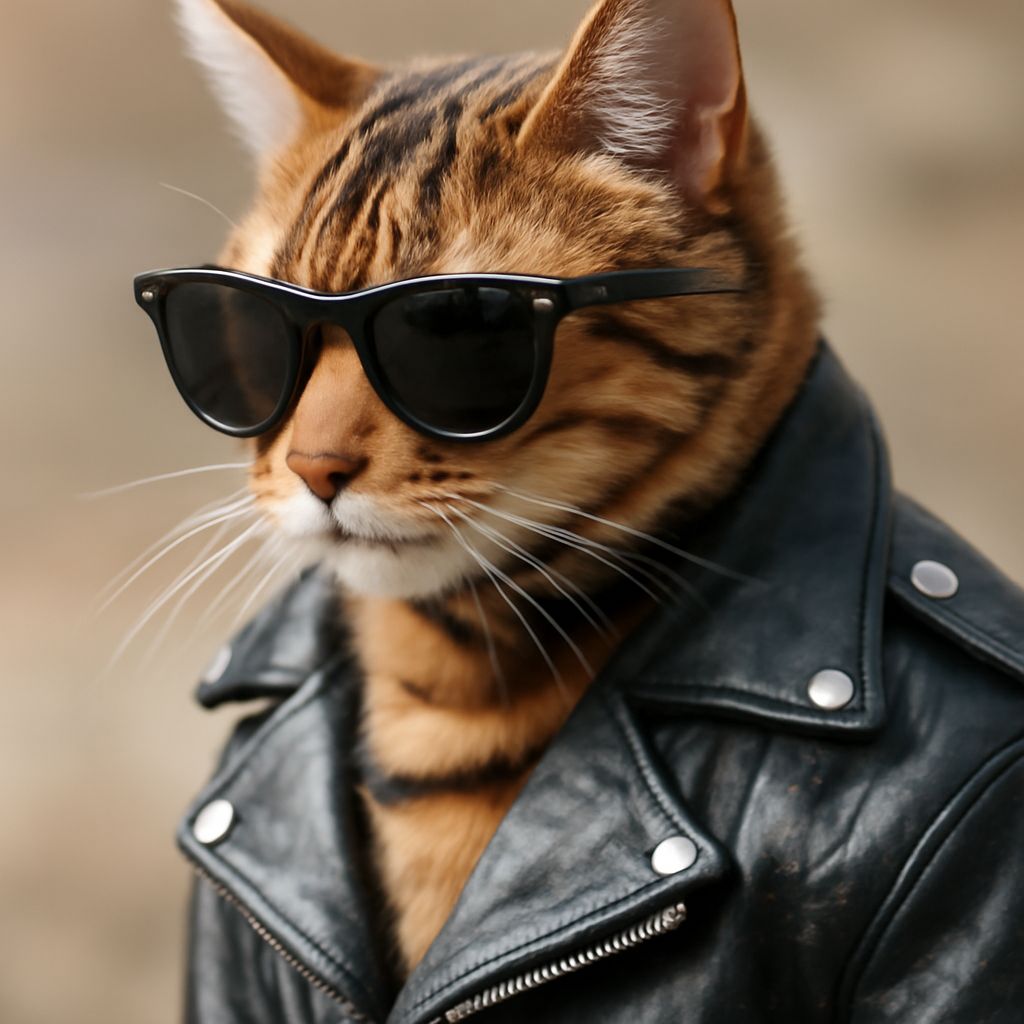
You’re in the middle of explaining something and out comes the phrase “curiosity killed the cat” — and you pause, realizing you don’t actually know where that came from. Cat sayings like that one have worked their way so deeply into everyday language that most people use them without thinking. If you’ve ever dug into cat idioms, you know how far back this rabbit hole goes.
Every language has its own cat word or two that captures something about feline nature — their independence, their unpredictability, their tendency to show up exactly when they feel like it. English alone is full of phrases about cats that date back centuries. And if you want something lighter, cat sayings funny enough to make you groan or grin are everywhere too, from internet memes to novelty mugs.
The Origins of Common Cat Idioms
Curiosity Killed the Cat
This is probably the most widely recognized cat-related phrase in the English language. Its origins trace to a 1598 play by Ben Jonson, though the original wording used “care” rather than “curiosity.” The shift to “curiosity” happened gradually over the following centuries. Today it functions as a light warning against nosing into things that don’t concern you — though most cat owners would argue their pets have no interest in heeding it.
Let the Cat Out of the Bag This idiom for accidentally revealing a secret has a disputed history. One popular theory connects it to medieval market fraud, where a buyer might pay for a pig in a bag and discover a cat inside when they got home. Whether or not that’s accurate, the phrase has been in regular use since at least the 18th century and remains one of the most common feline expressions in daily speech.
The Cat’s Pajamas
This one is pure 1920s American slang. It meant something excellent or first-rate — the best of its kind. The era produced a whole family of similar expressions (the bee’s knees, the cat’s meow), all following the same pattern of combining an animal with an absurd noun. “The cat’s pajamas” has a particular charm because it’s so specific and so obviously nonsensical.
Cat Got Your Tongue? Asked when someone goes unexpectedly quiet, this phrase has several claimed origins, none of them fully verified. Some trace it to the English Navy, others to ancient Middle Eastern punishment practices. What’s clear is that by the 19th century it was well established in English as a joking prompt for someone who had gone silent at an awkward moment.
Modern and Funny Cat Phrases
Internet-Born Cat Language
The internet gave rise to a whole new category of cat word and phrase. “I can haz cheezburger” launched an entire era of playful misspelling tied to cat images. “Chonk,” “boop,” “loaf,” and “murder mittens” all entered common usage through cat-focused social media. These terms spread fast precisely because they capture something real about cat behavior in an unexpected way.
Cat Sayings That Double as Life Advice
Some feline phrases have taken on a second life as motivational content. “Land on your feet” draws on the actual physical ability cats have to right themselves mid-fall. Used metaphorically, it’s reassurance that someone will recover from a setback. “Nine lives” works the same way — a way of acknowledging that someone has survived more than their fair share of difficult moments.
Key takeaways: Cat sayings and idioms have roots stretching back centuries and show up in formal writing, casual conversation, and internet culture alike. Whether you prefer the classical phrasing of “curiosity killed the cat” or the newer lexicon of online cat humor, feline language is a genuine part of how English speakers express ideas. Knowing where these phrases came from makes them a little more interesting every time you hear them.