
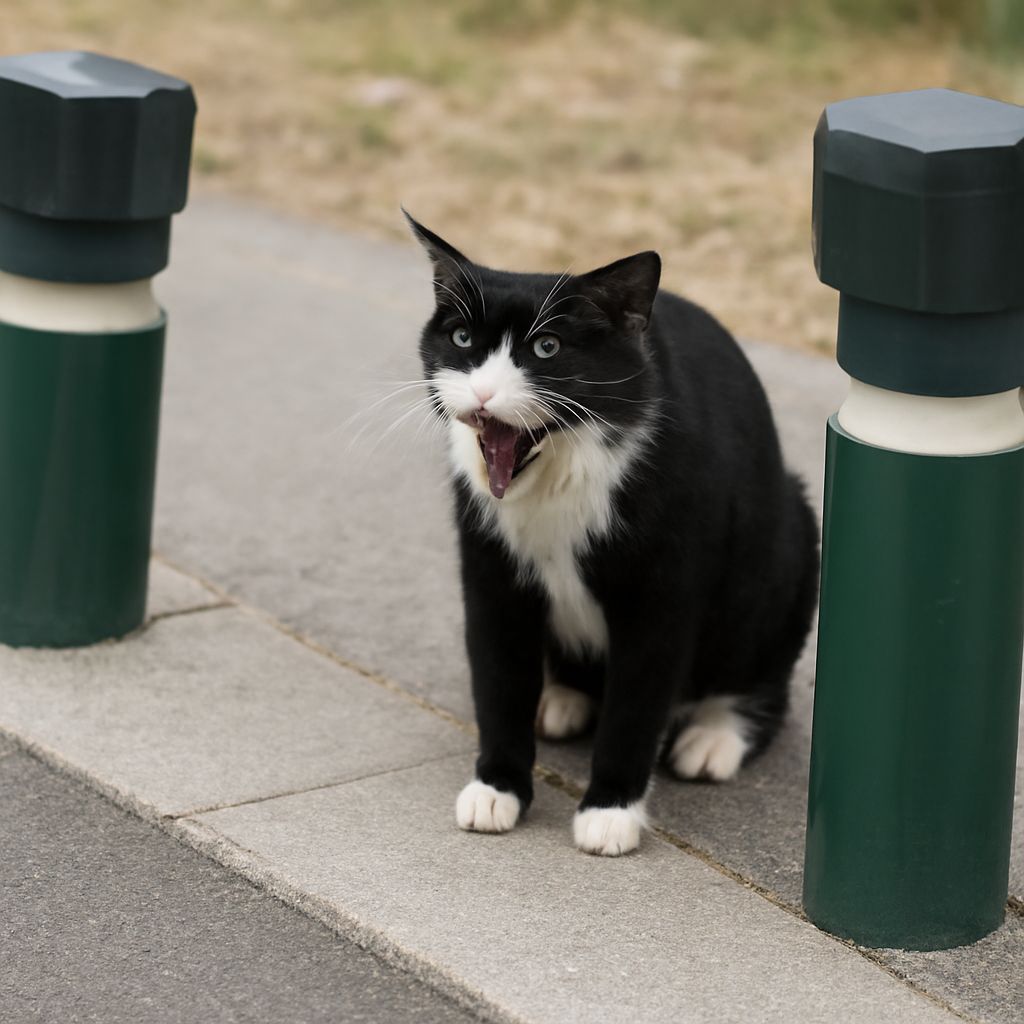
You find wet spots on the couch, laundry, rugs, or corners of rooms — and you’re frustrated. Cat peeing everywhere is one of the most common reasons cats are surrendered or rehomed, but it’s rarely random or spiteful. When you ask why is my cat peeing everywhere, there’s almost always a specific trigger — and most of them are fixable. My cat is peeing everywhere right now might feel like a crisis, but it’s a solvable problem with the right approach.
The key is separating medical causes from behavioral ones. Cat is peeing everywhere outside the litter box can stem from a urinary tract infection, painful elimination, or a stress response to environmental change. Why does my cat pee everywhere? Let’s break it down systematically.
Medical Causes of Inappropriate Urination
Urinary Tract Infections and Bladder Issues
A UTI makes urination painful and urgent. Cats associate the pain with the litter box and start eliminating elsewhere to try to avoid the discomfort. If your cat is peeing frequently in small amounts, crying while urinating, or producing blood-tinged urine, a UTI or bladder inflammation (feline idiopathic cystitis) is likely the cause.
Kidney Disease and Diabetes
Both conditions increase urine production dramatically. A cat with kidney disease or diabetes may physically not be able to make it to the box in time, leading to accidents. These conditions also cause increased thirst, weight loss, and lethargy.
Feline Lower Urinary Tract Disease
FLUTD is a catch-all for several conditions affecting the bladder and urethra. Crystals, stones, or inflammation can block normal urine flow. A male cat that is straining and producing little to no urine may have a life-threatening blockage requiring emergency care.
Behavioral Reasons a Cat Pees Outside the Box
Litter Box Problems
Too few boxes (the rule is one per cat plus one extra), a dirty box, wrong litter type, a covered box a cat dislikes, or a box placed in a noisy or hard-to-reach location are all common triggers. Some cats reject a box that smells like a cleaning product they dislike.
Stress and Anxiety
Moving, a new baby, a new pet, construction noise, or changes in the owner’s schedule can all trigger stress-related urination. Cats are creatures of habit, and disruption to routine can express itself through inappropriate elimination. The spots chosen — furniture, clothing, bed — are often the cat’s way of mingling their scent with yours for reassurance.
Territorial Marking
Intact cats mark far more than neutered ones. But even spayed and neutered cats can mark in response to seeing an outdoor cat through a window or when a new cat is introduced to the household. Marking produces smaller amounts of urine in vertical spots (walls, doors) rather than flat surfaces.
How to Address It
Start with the Vet
Before assuming this is behavioral, get a urinalysis. A simple urine test rules out infection, crystals, and early kidney changes quickly. Treating a medical cause stops the behavior fast.
Optimize the Litter Box Setup
Add boxes, switch to unscented clumping litter, remove lids, scoop at least once daily, and move at least one box to a quiet, accessible area. For a multi-cat home, separate boxes in different areas reduce competition.
Address Stress
Feliway diffusers, more vertical space, consistent routines, and keeping indoor cats away from outdoor cat sightlines all help reduce anxiety-driven urination.
Pro Tips Recap
Always rule out medical causes first with a vet visit. Clean soiled areas with an enzymatic cleaner — standard household cleaners don’t fully remove urine scent, and the residual smell draws cats back to the same spot. Consistency in the litter box setup and environment is the most reliable long-term solution for a cat peeing everywhere outside the box.