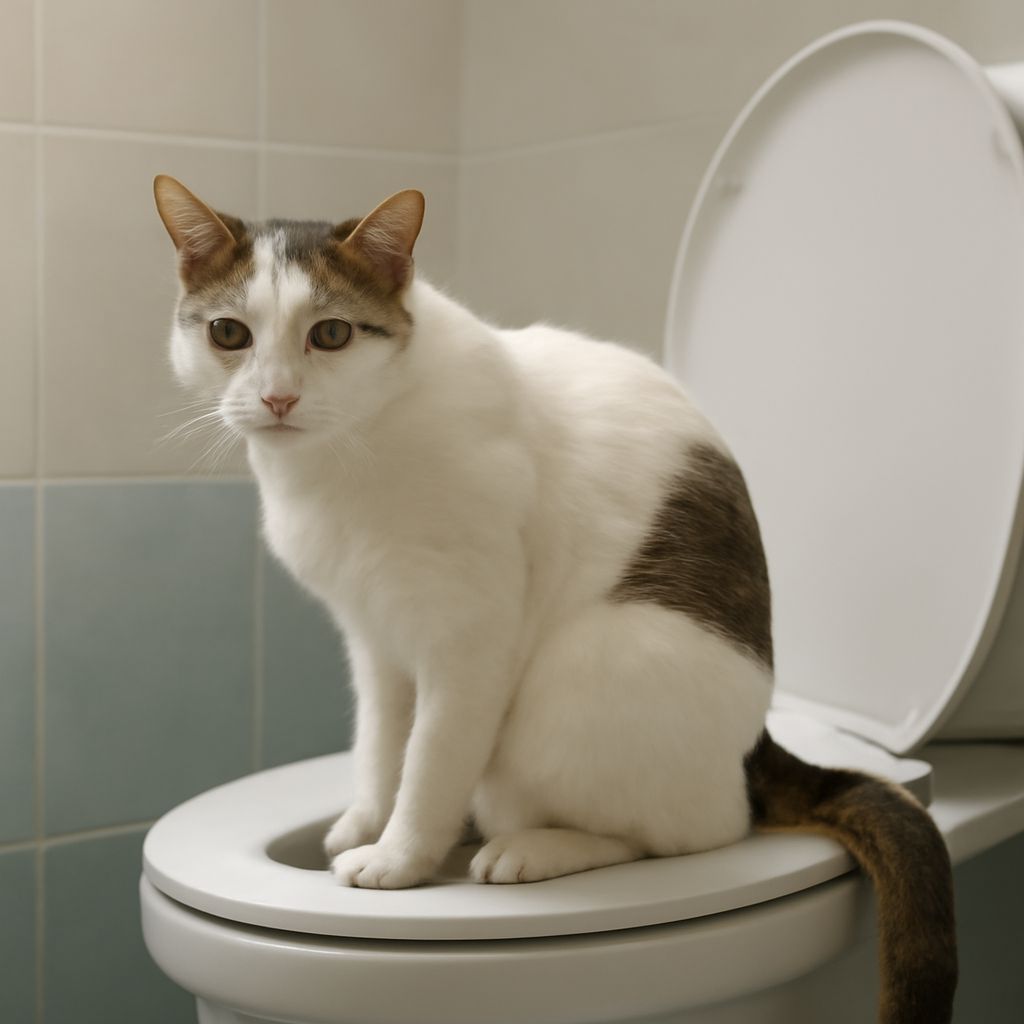
You notice your cat straining in the litter box, making repeated trips but producing little or nothing. That’s the moment you start wondering: is my cat constipated? It’s a common problem, but knowing when to act and what to do if your cat is constipated can make a real difference. Most cats have one to two bowel movements per day, so anything less — paired with straining or discomfort — is worth paying attention to.
Whether your cat is having trouble pooping occasionally or it’s becoming a pattern, this guide walks you through the warning signs, practical home steps, and when to call the vet. If you’re unsure what to do for a constipated cat, read on.
Signs Your Cat May Be Constipated
Behavioral Clues in the Litter Box
A cat straining without producing stool, crying while squatting, or spending extra time in the box are all signals that bowel movements have become difficult. You might also notice your cat visiting the litter box more frequently than usual without results.
Physical Symptoms to Watch For
Cats with constipation often show a hard, distended belly. They may vomit, lose their appetite, or become lethargic. Some cats pass small, dry, pebble-like stools rather than the soft, formed logs that are normal. Checking the litter box daily makes it easier to catch changes early.
When Symptoms Signal Something Serious
Occasional difficulty passing stool is different from obstipation — a severe blockage where no stool can move at all. If your cat hasn’t passed stool in more than 48 to 72 hours and is visibly uncomfortable, that warrants a same-day vet visit rather than home treatment.
Common Causes of Cat Constipation
Dehydration and Diet
Not drinking enough water is one of the leading reasons cats struggle with bowel movements. Dry kibble-heavy diets reduce moisture intake significantly. Cats that eat primarily wet food tend to stay better hydrated, which keeps the digestive tract moving properly.
Hairballs and Grooming
During regular grooming, cats swallow loose fur that can accumulate in the intestines and slow things down. Long-haired breeds or cats that groom excessively are more prone to this. Hairball-control diets and regular brushing reduce the volume of fur ingested.
Lifestyle and Environmental Factors
A dirty litter box, changes in routine, stress, or too little exercise can all reduce a cat’s urge to use the box regularly. Some cats refuse to use a box that doesn’t meet their standards, leading to voluntary withholding that compounds into constipation.
Underlying Medical Conditions
Kidney disease, hyperthyroidism, megacolon, pelvic injuries, and nerve damage can all interfere with normal intestinal motility. If constipation recurs frequently, your vet may recommend bloodwork or imaging to rule these out.
What to Do for a Constipated Cat at Home
Increase Water Intake
Fresh water available at all times is the first step. Many cats drink more from a running fountain than a still bowl. You can also add a small amount of low-sodium broth to their water or switch partially to wet food to boost moisture from meals.
Try a Gentle Fiber Boost
A small amount of plain canned pumpkin — one to two teaspoons mixed into food — adds soluble fiber that helps soften stools. This is one of the most widely used and safe home remedies for mild cases. Psyllium husk can work similarly but should be used with guidance.
Increase Movement
Short, active play sessions using wand toys or laser pointers stimulate gut motility. Cats who are sedentary are more prone to slow digestion. Even ten minutes of movement twice a day can help keep things regular.
Keep the Litter Box Clean
Scoop at least once daily and do a full clean once a week. Cats that avoid the box because it’s dirty end up holding stool longer, which makes it harder and dryer over time.
Next Steps
If home measures haven’t produced results within 24 to 48 hours, or if your cat seems uncomfortable, contact your vet. They can perform an abdominal exam, recommend a safe laxative, or provide an enema if needed. For cats with recurrent trouble pooping, a dietary overhaul and regular vet monitoring are the most reliable long-term solutions.