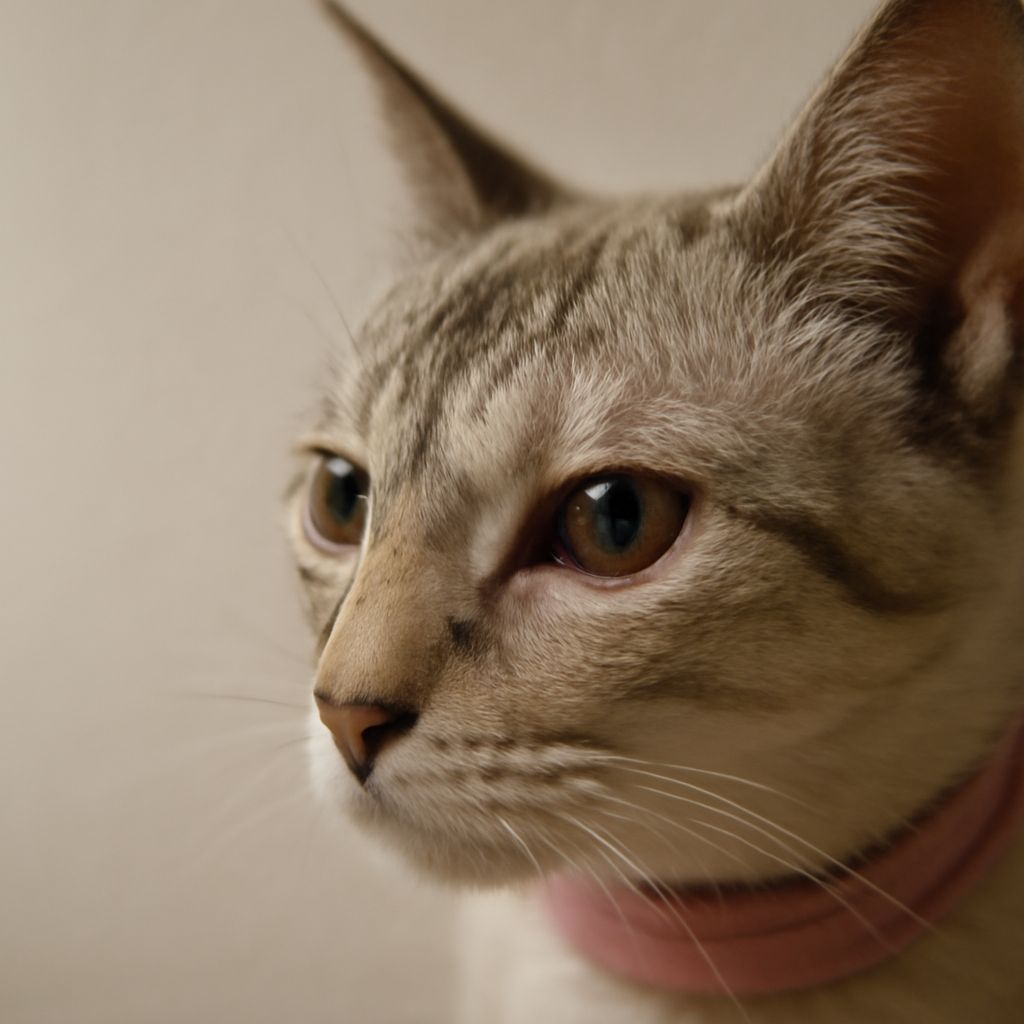
Your cat woke up with one eye partially closed, a watery discharge collecting in the corner, and a pinkish tinge to the whites. You’re wondering: can cats get pink eye? Yes — and fairly often. Cat pink eye, medically called feline conjunctivitis, is one of the most common eye conditions in cats. Unlike human pink eye, which is mostly bacterial or viral, feline conjunctivitis has a wider range of causes and treating the right one matters.
You’ve been searching “do cats get pink eye” and reading conflicting information. Some sources say it always needs a vet; others suggest home remedies first. The truth sits in the middle. If your cat has pink eye that’s mild, in one eye, and accompanied by no other symptoms, a watchful wait of 24 to 48 hours may be appropriate. But if cats pink eye symptoms worsen or both eyes are affected, a vet visit is the right call. Let’s look at what’s actually going on and what you can do about it.
What Causes Pink Eye in Cats?
Feline Herpesvirus (FHV-1)
Feline herpesvirus is the leading cause of cat pink eye, particularly in kittens and young adults. It’s the same virus responsible for most upper respiratory infections in cats. Cats pink eye from herpesvirus typically comes with other URI symptoms: sneezing, nasal discharge, lethargy. The virus is extremely common — estimates suggest up to 80% of domestic cats carry it after exposure — and stress can reactivate latent infections, producing recurring bouts of conjunctivitis.
Feline Calicivirus and Bacterial Secondary Infections
Calicivirus can cause conjunctivitis as well, usually alongside oral ulcers and sneezing. Bacteria — particularly Chlamydophila felis and Mycoplasma species — cause conjunctivitis in cats that’s often one-sided initially before spreading to the other eye. Bacterial cat eye infections typically produce a thicker, more yellow or green discharge than viral infections, which tend toward clear and watery.
Allergies and Environmental Irritants
A cat has pink eye that’s mild, recurring, and not accompanied by illness? Allergies or environmental irritation might be the cause. Cigarette smoke, strong cleaning sprays, dusty cat litter, and pollen can all irritate feline conjunctiva. One-sided irritation that clears up on its own in a day or two is often environmental.
Foreign Bodies and Trauma
Something in the eye — a grass seed, a piece of litter, a small insect — can cause acute conjunctivitis in one eye. Cats that go outdoors are more prone to this. If your cat has pink eye that came on suddenly after outdoor activity, a foreign body is worth considering. Do not attempt to remove anything from the eye yourself; this needs a vet with proper lighting and instruments.
How to Tell If Your Cat Needs a Vet
Signs That Need Immediate Attention Do cats get pink eye that becomes a serious emergency? Yes, in certain circumstances. See a vet the same day if you notice: the eye is closed completely and your cat won’t open it; the cornea (the clear front of the eye) looks cloudy or has a visible scratch; the eye is protruding or looks sunken compared to the other; or there is significant swelling around the eye socket. These signs can indicate corneal ulceration, uveitis, or orbital disease — conditions that can progress to permanent vision damage.
Signs You Can Monitor Briefly at Home
Mild pink eye in cats — slight redness, minimal clear discharge, no corneal changes, and your cat is eating and behaving normally — can be monitored for 24 to 48 hours. If symptoms are improving, continue monitoring. If they’re the same or worse after 48 hours, schedule a vet visit.
Treatment Options for Cat Conjunctivitis
Veterinary Treatments
Your vet will likely prescribe topical antibiotic eye drops or ointment if a bacterial cause is suspected. Herpesvirus-related cats pink eye is often treated with antiviral eye drops (such as idoxuridine or trifluridine) or oral famciclovir in more severe cases. L-lysine supplements are commonly recommended for herpesvirus cats to help suppress reactivation, though evidence for their effectiveness is mixed — ask your vet’s view on this for your individual cat.
Safe Home Support
Between vet visits or during monitoring, gently clean discharge from around the eye with a warm, damp cloth. Use a fresh cloth each time and wipe from the inner corner outward. Don’t use the same cloth on both eyes. Do not use human eye drops, saline drops not specifically formulated for cats, or contact lens solutions — several ingredients common in human products are irritating to cat eyes.
Next steps: If you suspect cat pink eye, start by assessing which eye is affected, what the discharge looks like, and whether your cat has any other symptoms. One mild, clear-discharging eye with a normal, active cat can be monitored for 48 hours. Both eyes affected, thick discharge, or a partly closed eye all warrant a same-day or next-day vet call. Keep your hands washed after touching your cat’s eye area, as some forms of feline conjunctivitis (particularly Chlamydophila) can occasionally transfer to humans.