You’re in the middle of a character design project and your cat is doing absolutely nothing useful — sprawled sideways, one leg extended, eyes half-closed. You need cat reference photos that show something specific: maybe a trotting walk cycle for an animation project, or a crouching pounce position for an illustration. The internet has millions of cat photos, but finding the right ones — organized, varied, and actually useful for drawing — takes longer than it should.
Whether you’re building a personal library of cat poses reference images, hunting for cat shaming photos as a humor reference for a comic project, trying to construct a complete cat reference sheet, or specifically searching for cat walk cycle reference frames for animation, this guide points you toward the best sources and methods for each.
Building a Cat Poses Reference Library
What Makes a Good Cat Photo Reference
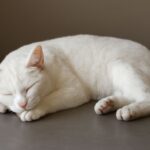
A good cat poses reference image has clear lighting, minimal motion blur, a neutral background (or at least an uncluttered one), and shows the subject from a useful angle. Side profiles are essential for proportions; three-quarter front views are more dynamic; direct top-down shots are rare but useful for overhead scenes. When collecting cat reference photos, aim for variety across lighting conditions and angles rather than accumulating fifty similar sitting poses.
Where to Find High-Quality Cat Pose References
Several sources stand out for quality and legal usability. Unsplash and Pexels have large collections of cat photography released under permissive licenses. Flickr’s Creative Commons search turns up more varied and unusual poses than stock sites. Pinterest boards dedicated to cat references for drawing are worth following, though always check the original source for licensing. Getty Images and Shutterstock offer professional reference quality if you’re working on a commercial project that warrants the license cost.
For physical reference, spending time photographing your own cat — or visiting a cat cafe with permission — gives you images you own outright. A simple studio setup with a white foam board backdrop and natural window light produces usable cat reference photos without any specialized equipment.
Organizing Your Cat Reference Sheet
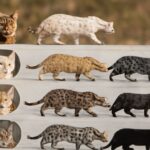
A cat reference sheet is a compiled document — usually a single image or PDF — showing multiple views of the same cat (or cat type) from different angles. Reference sheets are common in character design and animation pipelines. A useful one covers at minimum: front, side, three-quarter, and back views in a neutral standing pose, plus a few expressive poses and close-ups of the head, paws, and tail. Tools like PureRef (free) let you pin and arrange reference images on a virtual board for fast lookup while drawing.
Cat Walk Cycle Reference and Animation Resources
Understanding the Cat Walk Gait
The feline walk is a lateral sequence gait: right hind, right fore, left hind, left fore, in that order. Cats also single-track, meaning their hind feet step into the same spots their forefeet just vacated — which is why cat tracks look like a single line of prints rather than two parallel lines. A useful cat walk cycle reference sequence breaks this down into 8 to 12 frames covering one complete stride cycle.
Finding Cat Walk Cycle Reference Frames
Muybridge’s original animal locomotion plates include cats walking and trotting — these are public domain and freely available. The Animator’s Survival Kit by Richard Williams covers quadruped walk cycles in detail. YouTube has slow-motion cat walking footage that can be scrubbed frame by frame. For dedicated animation reference, the site Frame by Frame provides slow-motion loops of various animal gaits.
Cat Shaming Photos: Humor Reference for Comics and Illustration
Cat shaming photos — those images of cats sitting next to handwritten signs listing their crimes — are a well-established internet format with real artistic utility. As a comic reference, they demonstrate authentic guilty-but-not-really cat expressions: the slightly widened eye, the averted gaze, the defensive ear position. These micro-expressions are genuinely hard to capture from memory and worth studying for anyone drawing comedic cat characters.
The original Cat Shaming book (by Pascale Lemire) and its associated social media accounts are the best organized sources. Tumblr archives also contain thousands of entries. When using these as reference, focus on the body language rather than copying compositions directly — the goal is understanding how cats actually express discomfort and submission, not replicating specific images.
Next steps: Start your cat reference photo library with a basic set of 20 to 30 clearly lit photos covering sitting, standing, walking, crouching, and stretching poses before diving into more specialized motion reference. For your cat reference sheet, use PureRef to compile views into a single workspace. If you’re animating, download the Muybridge plates first — they’re free, accurate, and the foundation most professional animators build from.