
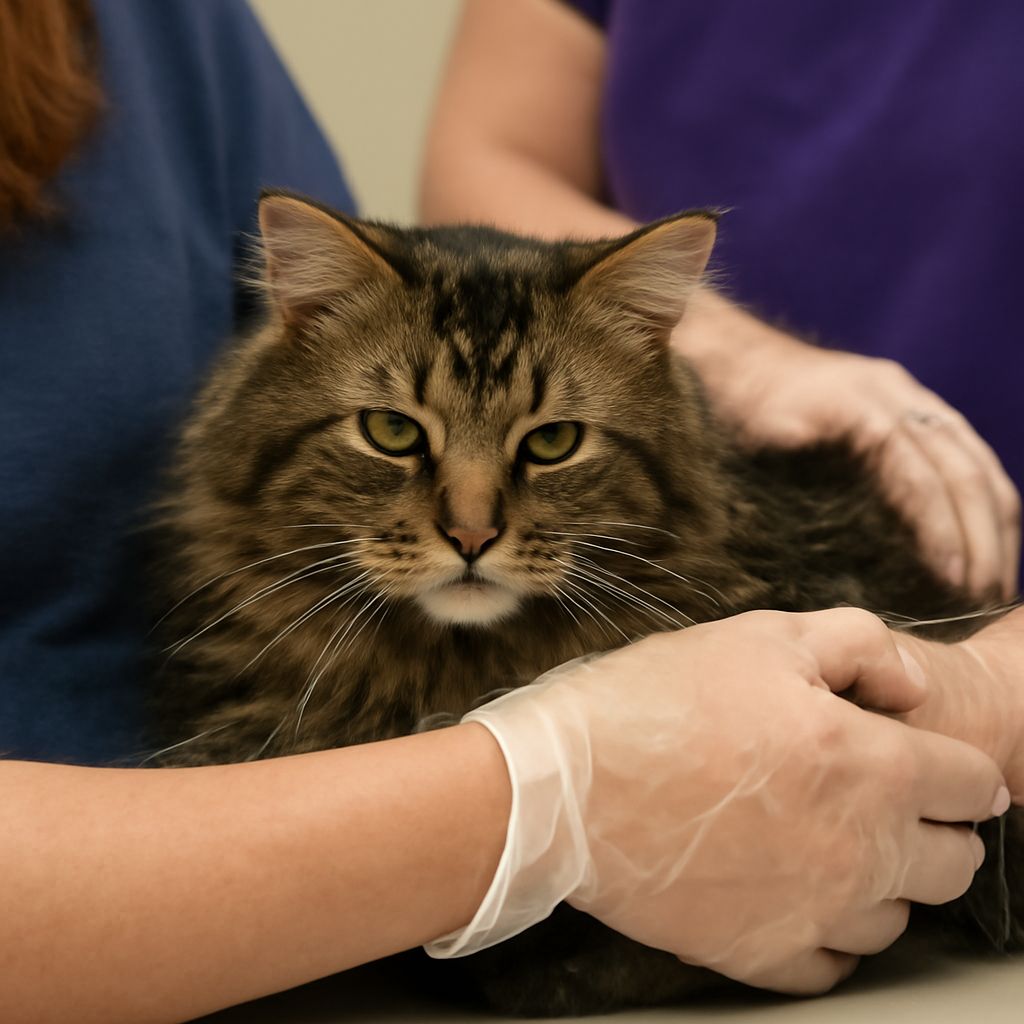
You have driven past a cat farm sanctuary, scrolled through adoption listings online, or maybe a friend mentioned their black cat rescue experience that changed everything. Whether you are searching for a specific type of companion or just know you want to adopt rather than shop, the world of cat rescue is broader and more varied than most people realize. From large farm-style sanctuaries to small foster-based operations, every path leads to a cat that needs exactly what you can offer.
You might be surprised by the range of cats available through black cat rescue organizations, which specifically work to counter the adoption bias against dark-coated cats. Or perhaps you have been considering special needs cats for adoption and are wondering what that life actually looks like. Others are drawn to cats rescue as a concept without knowing where to start. And more people than ever are specifically seeking out senior cat rescue organizations, drawn to the idea of giving an older animal a comfortable final chapter.
What Cat Farm Sanctuaries Do
Cat farm operations typically refer to large-scale sanctuaries that house many cats on rural or semi-rural properties. These farms serve cats that have been pulled from high-intake shelters, feral colonies that have been trapped and socialized, or surrendered pets with nowhere else to go. Life on a cat farm is communal, often with cats roaming indoor spaces together and spending time in outdoor enclosures.
Adoption from a farm sanctuary usually involves an application, an interview, and sometimes a home visit. The staff know individual cats well from daily interaction. When you ask about a specific animal, they can tell you about that cat’s quirks, preferences, and which household situations would suit them best. That personalized knowledge is something a large municipal shelter often cannot offer.
Many farm-type rescues also function as lifetime sanctuaries for cats that are not adoptable due to health or temperament issues. Your adoption fee directly funds the care of those resident cats.
Understanding Special Populations in Rescue
Black Cat Rescue Programs
Black cats are adopted at lower rates than cats of other colors, a well-documented bias that leaves shelters disproportionately full of dark-coated animals. Black cat rescue programs exist specifically to address this imbalance, marketing their cats more actively and sometimes offering reduced adoption fees to move these animals into homes faster. If you are open to any color, choosing a black cat from rescue makes a measurable impact on shelter capacity.
Special Needs Cats for Adoption
Special needs cats for adoption include animals with physical disabilities, chronic health conditions, sensory impairments, or behavioral challenges. A three-legged cat, a cat with a managed thyroid condition, or a deaf cat all fall under this umbrella. These cats are often passed over by adopters who worry about expense or difficulty, but many special needs cats live long, comfortable lives with minimal extra care.
Rescues that specialize in special needs cats for adoption usually provide thorough medical histories and honest assessments of what ownership actually involves. They want successful matches, not returns.
Senior Cat Rescue
Senior cat rescue focuses on cats typically aged 8 and older. These cats are calm, their personalities fully established, and their space requirements modest. Senior cats spend more time cuddling than climbing, which suits many adopters perfectly. Some senior cat rescue organizations offer programs specifically designed to match older cats with older humans, recognizing that the pace of life aligns well.
How to Find a Reputable Rescue
Search Petfinder and Adopt-a-Pet for listings from rescues in your area. Look for organizations that are transparent about their vetting processes, medical care standards, and return policies. A good rescue will ask you as many questions as you ask them. They want to know about your living situation, other pets, and experience level because they are trying to create lasting matches.
Visit in person if you can. How the cats look, how they behave, and how staff interact with them tells you more than any website description. A well-run cats rescue operation feels calm and clean even when busy.
Pro tips recap: when adopting from any rescue, ask specifically about the individual cat’s history and personality rather than relying on general breed descriptions. Request a meet-and-greet with any other pets before finalizing the adoption. And give a newly adopted cat at least two weeks to decompress before drawing conclusions about their personality.