
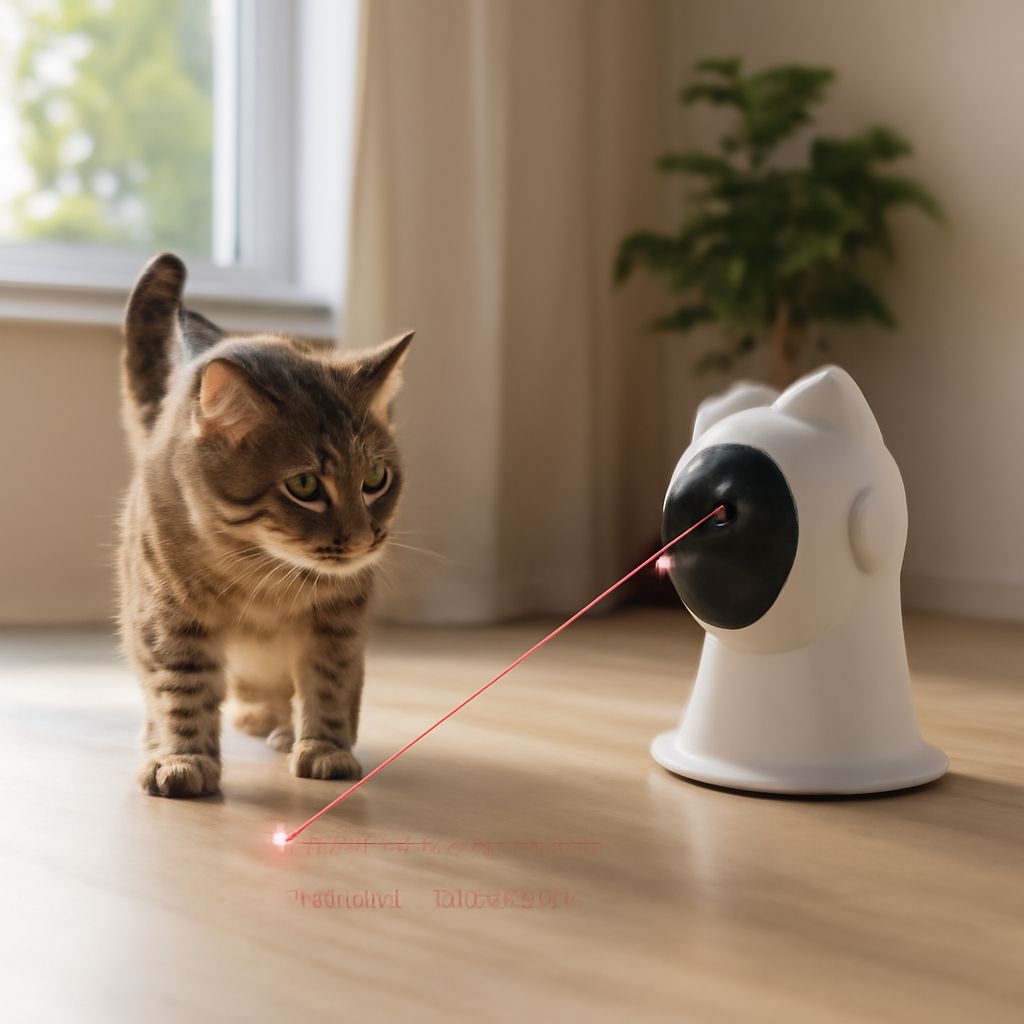
You pull out a small device, click the button, and watch your cat transform from a drowsy lump on the couch into a focused, crouching hunter. A laser for cats is one of the most instantly effective play tools available, capable of engaging almost any cat regardless of age or energy level. The red dot triggers something deep in the feline brain, and your cat does not need any special training to know it should be chased.
But not all lasers are the same, and the way you use one matters as much as which one you buy. A laser light for cats should be the right power level for safe household use. A laser pointer cat owners use at home falls in a different category than industrial lasers, but even low-powered units need to stay away from eyes. Cat lazer, as the phonetic spelling shows up in many searches, covers the same ground whether spelled correctly or not. And the best cats laser pointer session is one that ends properly, with your cat actually catching something, not just chasing a dot that always escapes.
Choosing the Right Laser
Power and Safety Ratings For cat play, Class 1 or Class 2 lasers with output of 1 milliwatt or less are appropriate for household use. Class 3 and above can cause eye damage very quickly, even from brief accidental exposure. Most pet-specific laser toys sold at retail are Class 1 or 2, but cheap unbranded units may not be labeled at all.
Check the milliwatt rating before buying. A pet laser pointer labeled specifically for cat use should list this information on the packaging. When in doubt, choose a product from a recognizable pet brand rather than an unlabeled generic.
Features Worth Having
Automatic laser toys rotate through patterns without requiring your involvement. These are useful for solo stimulation when you are busy, but they should not fully replace interactive sessions with you holding the device. Cats derive more behavioral satisfaction from play that mimics a real hunting exchange, with pauses, speed changes, and direction reversals that you control in real time.
Battery life and ergonomics matter for handheld units. A comfortable grip means you can hold a longer session without fatigue. A wrist strap keeps the device from being dropped if your cat gets especially enthusiastic about the session.
How to Use a Laser Effectively and Safely
The Never-Aim Rule
Never point the laser directly into your cat’s eyes or at reflective surfaces that could redirect the beam unexpectedly. Keep the dot moving on the floor and lower wall surfaces. This is the most important safety practice for any household laser, regardless of power rating.
Also avoid aiming at other people or pets. Children especially may not understand the risk and might look directly at the beam. A brief lapse in aim can result in retinal exposure.
Ending Sessions Properly
The biggest behavioral criticism of laser play is that the cat never catches anything, which can build frustration over time. Cats that are consistently denied the satisfaction of a successful pounce may become anxious or obsessive about the dot. End every laser session by directing the dot to a physical toy that the cat can grab and bite, then let them have that capture. This completes the predatory sequence and sends your cat away satisfied rather than wound up.
Wand toys, small stuffed mice, or crinkle balls all work as the physical stand-in for the final catch. Tossing a treat in the same spot where the dot disappears also works well. This simple habit makes a real difference in how settled your cat feels after the session.
Session Length and Frequency
Two to three laser play sessions per day of five to ten minutes each is enough for most cats. More than that and the activity starts to lose its novelty. Spacing sessions throughout the day, morning, afternoon, and evening, aligns with the cat’s crepuscular activity windows and delivers enrichment when the cat is naturally inclined to be active.
Safety recap: use only pet-appropriate, low-power lasers rated at 1 milliwatt or below. Never aim at eyes, faces, or reflective surfaces. Always end laser sessions with a physical toy your cat can catch to satisfy the predatory drive and prevent frustration from building up over time.