
You notice your cat has a bloated belly, is losing weight despite eating well, and you spot what look like small wriggling threads in her stool. Roundworm cat treatment is the next thing on your list, and understanding what you’re dealing with helps you act quickly and effectively. Roundworms are the most common intestinal parasites found in cats worldwide, and they’re very treatable when caught.
Knowing how to get rid of roundworms in cats involves understanding their life cycle and the medications that interrupt it. Roundworms cat cases are especially common in kittens, who often pick up larvae before or shortly after birth. Cat roundworm symptoms can be subtle in light infestations, clearer in heavy ones. Recognizing cat round worms in stool or vomit, or in a fecal test result, is the starting point for a straightforward resolution.
What Are Roundworms and How Do Cats Get Them
The Parasite Itself
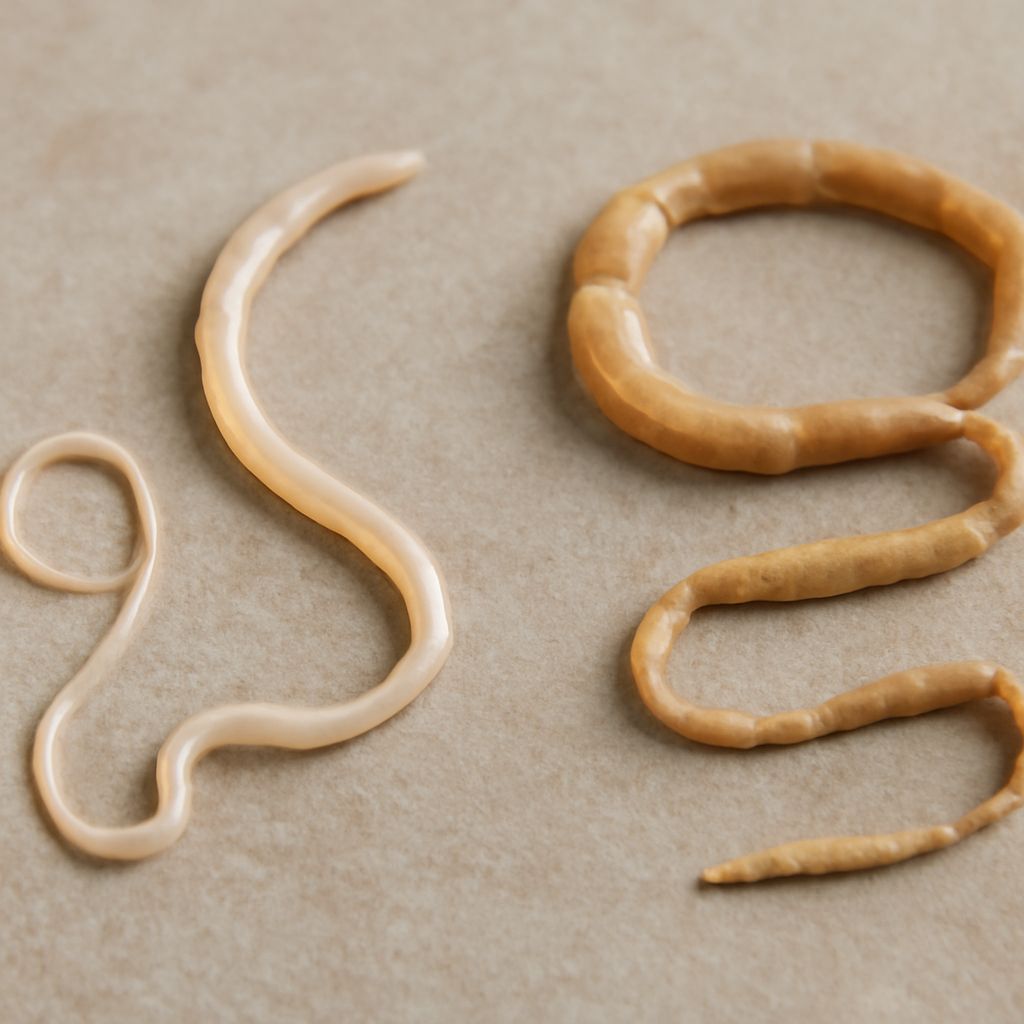
Toxocara cati is the primary roundworm species affecting cats. Adult worms live in the small intestine and can reach several inches in length. They look like pale spaghetti strands. Cats can harbor a few worms without obvious signs, but heavy infestations cause noticeable illness, particularly in young cats whose bodies can’t compensate as effectively.
Routes of Infection
Cats pick up roundworms through multiple routes: ingesting eggs from contaminated soil, eating infected prey like rodents or birds, or through the mother’s milk in the case of kittens. Kittens can also receive larvae in utero in some cases. This is why deworming protocols for kittens start early and repeat frequently, typically every two to three weeks until 12 weeks of age, then on a schedule your vet recommends.
Recognizing Cat Roundworm Symptoms
Physical Signs in Kittens
Young cats with heavy roundworm burdens show a characteristic pot-bellied appearance even while looking thin elsewhere. Poor coat condition, lethargy, and slow weight gain are common. Vomiting up worms or passing them in stool, both unsettling to witness, are definitive signs. Severe infestations can cause intestinal blockage, which is a medical emergency.
Signs in Adult Cats
Adult cats with healthy immune systems often harbor low-level roundworm infections without dramatic symptoms. Subtle signs include occasional vomiting, intermittent soft stools, and slightly reduced appetite. Routine fecal testing during annual vet visits is the most reliable way to catch asymptomatic infections in adult cats before the worm burden grows.
What to Look For in Stool or Vomit
Adult roundworms in stool or vomit look like pale, cream-colored spaghetti, usually a few inches long. Roundworm eggs are not visible to the naked eye; only microscopic fecal examination detects them. If you see worms in your cat’s output, bring a fresh stool sample to your vet along with the cat for proper identification and treatment dosing.
Roundworm Treatment Options
Several safe, effective dewormers treat roundworms in cats. Pyrantel pamoate is widely used and available over the counter in some formulations. Fenbendazole and milbemycin oxime are prescription options effective against roundworms and often other parasites simultaneously. Your vet will recommend the appropriate product and dose based on your cat’s weight and age.
A single treatment kills adult worms but not all larval stages. A follow-up treatment two to three weeks later is standard to catch any larvae that matured after the first dose. Confirm clearance with a fecal test two to four weeks after the final treatment to ensure the infection is fully resolved.
Next Steps
If you suspect roundworms, collect a fresh stool sample in a sealed container and call your vet for an appointment. Monthly heartworm prevention products that include roundworm coverage, such as Revolution or Interceptor for cats, keep routinely dewormed cats protected year-round. Keep your cat’s litter box clean, scoop daily, and wash hands after handling stool or soil. Keeping cats indoors significantly reduces reinfection risk by eliminating access to infected prey animals and contaminated outdoor soil.