Your cat hasn’t been eating well, and you’ve noticed her coat looks a little dull and her eyes seem slightly yellow. You’ve made a vet appointment, and liver disease has come up as a possibility. The phrase is alarming, but liver disease in cats covers a wide range of conditions — some very manageable, others more serious — and early detection genuinely changes outcomes.
Understanding signs of liver disease in cats can help you catch problems before they become advanced. The liver handles hundreds of functions in the body, which is why liver problems in cats produce such varied symptoms. Recognizing symptoms of liver disease in cats early is the single most important factor in successful management. If you’ve noticed changes in your cat that you suspect might be cat liver problems, this guide walks through what to watch for and what to expect from the diagnostic process.
What the Liver Does and Why It Matters
The liver filters toxins from the blood, produces bile for digestion, synthesizes proteins, regulates blood sugar, and stores vitamins and minerals. When liver function is compromised, most body systems are affected to some degree. This is why liver disease produces such a range of symptoms — no single sign on its own confirms the diagnosis, and many symptoms overlap with other conditions.
Common Signs of Liver Disease in Cats
Jaundice (Yellowing)
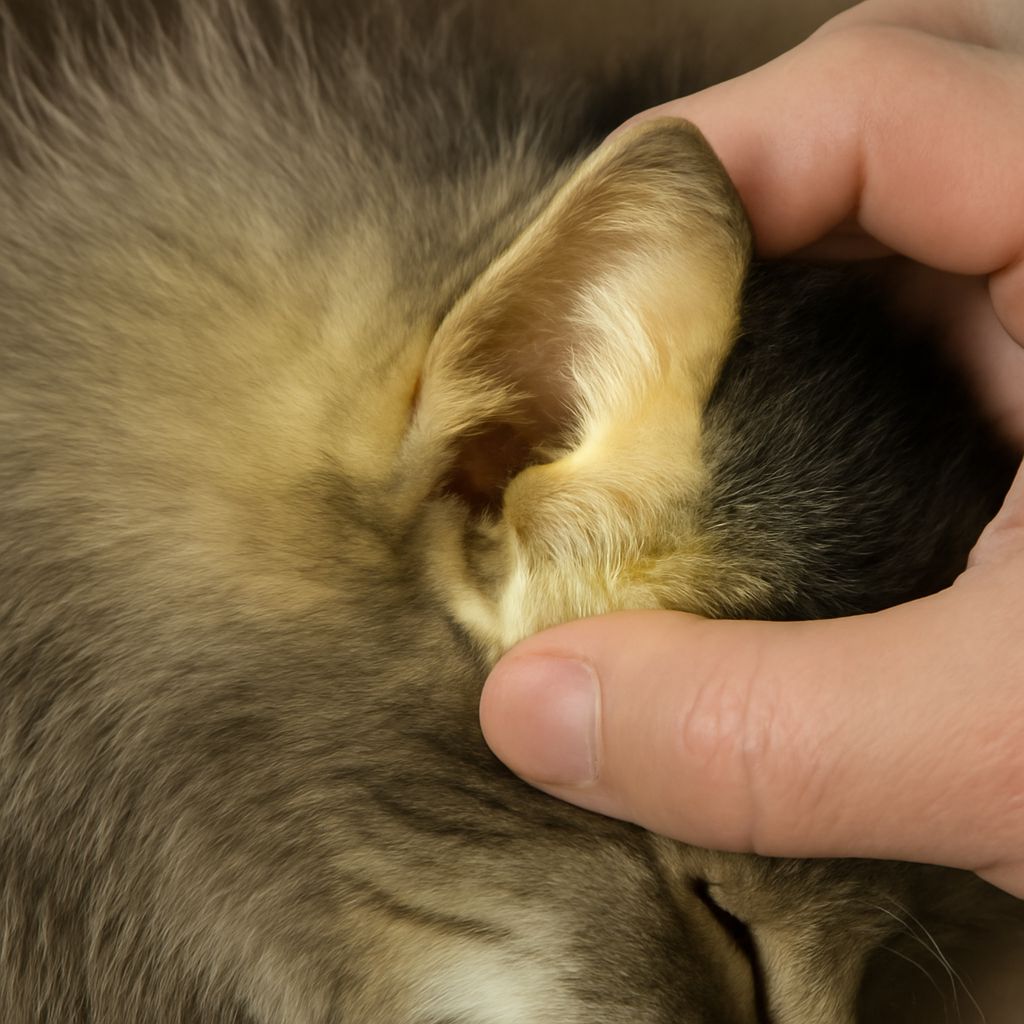
Jaundice is the most recognizable sign — a yellowish tint to the skin, whites of the eyes, and inside of the ears. It occurs when bilirubin (a bile pigment) builds up in the blood because the liver isn’t processing it normally. Jaundice in cats is always a signal to see a vet promptly; it doesn’t appear until liver disease is fairly significant.
Loss of Appetite and Weight Loss
Cats with liver problems often lose interest in food. This can become dangerous quickly because cats who stop eating for more than 48–72 hours are at risk of developing hepatic lipidosis (fatty liver disease) — a condition where the liver is overwhelmed by mobilized fat. Hepatic lipidosis is itself a serious liver condition and one of the most common liver diseases seen in cats.
Increased Thirst and Urination
Changes in water intake and urination frequency can accompany liver disease, though these signs also appear with kidney disease and diabetes. A cat who is suddenly drinking more and urinating more frequently deserves a veterinary evaluation regardless of the ultimate cause.
Neurological Signs
In severe cases, toxins that the liver would normally filter begin to affect brain function — a condition called hepatic encephalopathy. Signs include disorientation, circling, head pressing, and seizures. These are emergency symptoms requiring immediate veterinary attention.
Diagnosing and Managing Liver Disease
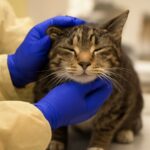
Diagnosis involves blood chemistry panels, urinalysis, and often ultrasound imaging. Liver enzyme levels (ALT, AST, ALP, GGT) in the bloodwork provide important clues, though elevated values alone don’t identify the specific disease. Ultrasound lets the vet assess liver size and texture and can guide needle biopsies when needed. A liver biopsy provides the most definitive diagnosis in many cases.
Treatment varies by diagnosis. Hepatic lipidosis is often managed with nutritional support — feeding tubes if necessary — and the prognosis with aggressive early treatment is good. Inflammatory liver diseases often respond to steroids and supportive care. Some cats with chronic liver conditions do well long-term with dietary management, including a liver-support diet lower in copper and protein-restricted as the disease progresses. Liver supplements like SAMe and milk thistle are sometimes used under veterinary guidance.
Next Steps
If liver disease is suspected, the most important step is getting bloodwork done quickly — delays let the condition advance. Ask your vet specifically about diet changes, whether a liver-support supplement is appropriate, and what follow-up schedule makes sense for monitoring. Many cats with liver disease live well for months or years with proper management.