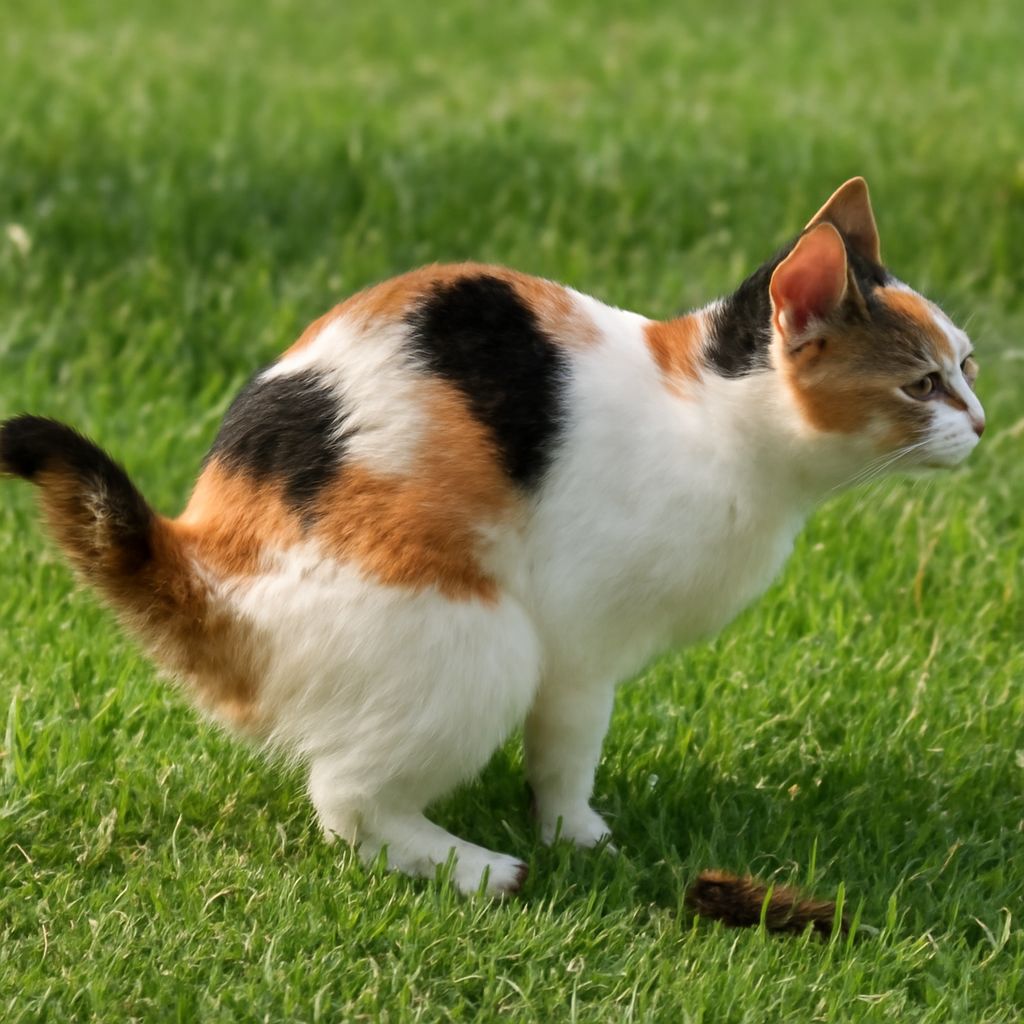
You walk into the living room and find it again — your cat has used the floor right next to the litter box, or somewhere else in the house entirely. It’s frustrating and confusing, especially if this is new behavior from a cat who’s been reliable for years. Asking why is my cat pooping on the floor is the right first step, because this behavior almost always has an identifiable cause — and most causes are fixable.
The reasons a cat pooping on floor keeps happening range from litter box problems your cat is trying to communicate to medical issues you might not have noticed yet. Whether you’re dealing with why does my cat poop on the floor next to a perfectly good litter box, or trying to understand why do cats poop on the floor in random spots around the house, the investigation process is the same. If my cat is pooping on the floor consistently, ruling out medical causes is always the starting point before assuming it’s behavioral.
Medical Causes to Rule Out First
Any cat who suddenly starts defecating outside the litter box after a history of reliable litter box use should see a vet before you assume it’s a behavior problem. Constipation, diarrhea, inflammatory bowel disease, and arthritis are all conditions that can affect where and how a cat eliminates. A cat with painful arthritis may have difficulty climbing into a high-sided litter box. A cat with diarrhea may not make it to the box in time. Your vet can assess these possibilities quickly and rule them in or out.
Litter Box Problems Your Cat Is Communicating
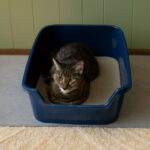
Cats are particular about their litter boxes, and when conditions aren’t right, some cats vote with their feet — or their bowels. The most common litter box issues that drive cats to eliminate elsewhere are:
- Dirty box: Cats are fastidious. A box that isn’t scooped daily — and cleaned thoroughly weekly — may be rejected. Try scooping more frequently for a week and see if the behavior changes.
- Wrong litter type: A change in litter brand or texture can put a cat off. If you recently switched litters, go back to the previous type and transition gradually if you want to change again.
- Box placement: Boxes in loud, high-traffic areas or near appliances that make sudden noises can make a cat feel unsafe while using them. Try moving the box to a quieter location.
- Too few boxes: The general recommendation is one litter box per cat, plus one. In a multi-cat household, competition for the box or inter-cat conflict can push a lower-ranking cat to find alternatives.
- Box size: A box that’s too small for your cat is uncomfortable. The box should be 1.5 times the length of your cat from nose to tail base.
Behavioral and Stress-Related Causes
Cats sometimes avoid the litter box when they associate it with a negative experience — a painful bout of constipation, being startled while using it, or harassment from another pet. Stress from household changes — a new pet, a new baby, moving furniture, construction noise — can also disrupt litter box habits. Identify any recent changes in the household and consider whether they coincide with when the floor soiling started.
Territory marking with feces — as opposed to urine spraying — is less common but does occur, particularly in multi-cat households with tension between cats. This tends to happen in prominent locations rather than private corners.
Next Steps
Start with a vet visit if the behavior is new and your cat is middle-aged or older. If medical causes are ruled out, do a systematic litter box audit: cleanliness, type of litter, box size, number of boxes, and placement. Address the most likely variable first and give it a week before changing something else. Clean soiled areas thoroughly with an enzymatic cleaner to remove odor — residual scent draws cats back to the same spots.