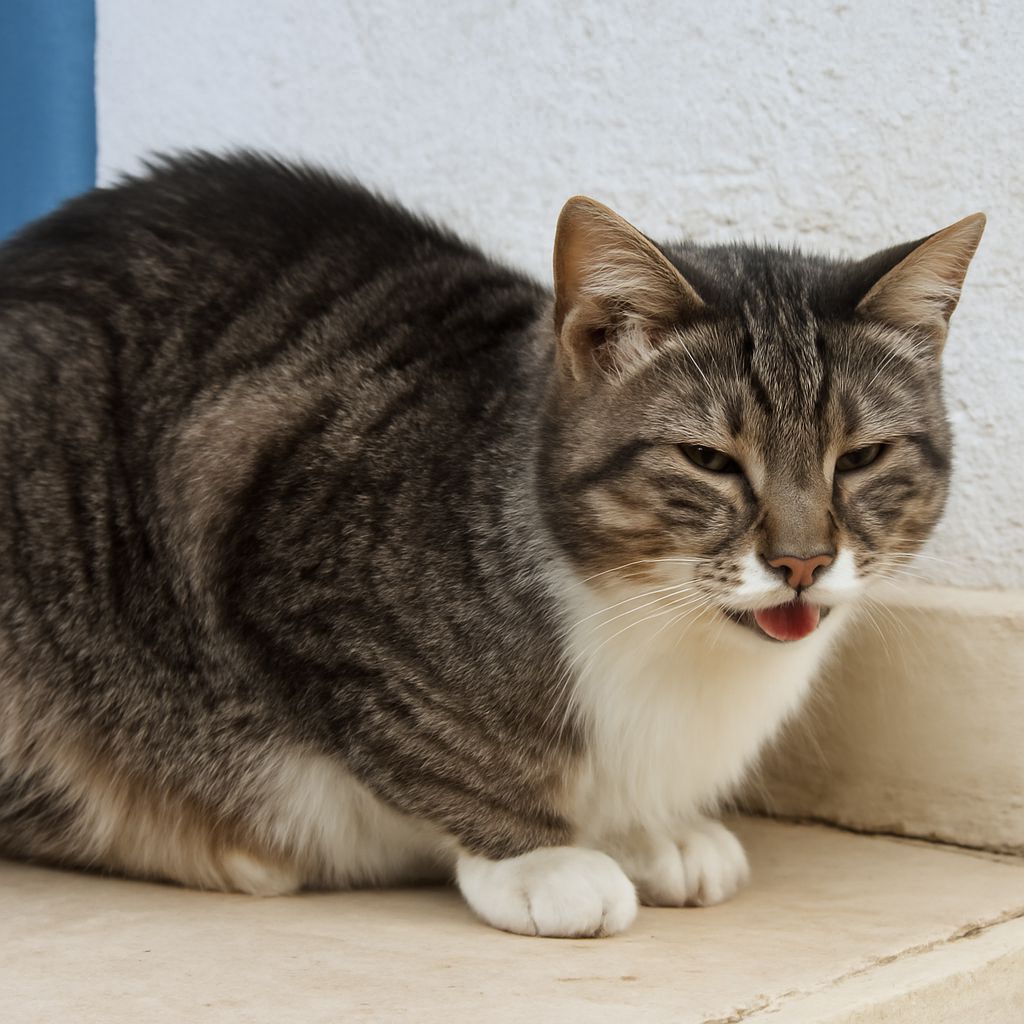
You walk into the room and notice your cat sitting upright with her neck stretched out and her sides heaving with each breath. It doesn’t look right. Cat labored breathing is one of the more alarming things a pet owner can witness, and rightly so — respiratory distress in cats is always worth taking seriously.
Whether you’ve seen your cat having trouble breathing once or it’s been going on for a while, understanding the possible causes helps you respond appropriately. Cat trouble breathing can stem from infections, heart conditions, fluid accumulation, or airway obstructions. Cat difficulty breathing and the sensation that your cat has labored breathing should prompt a call to your vet, not a wait-and-see approach.
Recognizing the Signs of Breathing Problems in Cats
Open-Mouth Breathing
Cats almost never breathe through their mouths unless they are in respiratory distress or extreme heat. A cat panting or breathing open-mouthed at rest is a clear signal that her airway is compromised. This is not normal and needs prompt veterinary evaluation.
Rapid or Shallow Breaths
Count your cat’s resting respiratory rate when she’s calm and sleeping. A normal rate runs between 15 and 30 breaths per minute. Anything consistently above 40 breaths per minute at rest points to a breathing problem. Shallow, rapid breathing often accompanies fluid around the lungs or heart disease.
Labored Chest Movement and Posture
Cats with respiratory difficulty often adopt a characteristic posture: elbows pointed outward, neck extended, and belly moving excessively with each breath. This orthopneic position lets them maximize lung expansion. If your cat is sitting this way and won’t lie down, her breathing effort is high.
Wheezing, Crackling, or Noisy Breathing
Audible breathing sounds like wheezing, crackling, or gurgling suggest that something is partially blocking or narrowing the airway. These sounds can indicate asthma, a foreign body, or fluid in the lung tissue. Any change in your cat’s normal breathing sounds deserves veterinary review.
Gum and Tongue Color
Healthy cat gums are pink and moist. Pale, white, gray, or blue gums indicate that oxygen is not reaching the tissues adequately. Blue or purple coloration, called cyanosis, is an emergency. Check gum color whenever you suspect a breathing problem.
Common Causes of Breathing Difficulty in Cats
Feline Asthma
Asthma is one of the most common causes of labored or troubled breathing in cats. It causes bronchospasm and mucus buildup in the airways, leading to wheezing, coughing, and difficulty drawing a full breath. Asthma episodes can range from mild to severe and are manageable with vet-prescribed treatment.
Pleural Effusion
Fluid accumulating around the lungs compresses them and makes breathing progressively harder. Several conditions cause pleural effusion, including heart failure, infection, and certain cancers. A cat with this condition tires easily and may be reluctant to move.
Upper Respiratory Infections
Viral and bacterial infections cause congestion, nasal discharge, and difficulty breathing through the nose. While upper respiratory infections are often manageable, they can become serious in kittens, older cats, or cats with underlying conditions.
Heart Disease
Hypertrophic cardiomyopathy, the most common feline heart disease, can cause fluid buildup and compromised oxygen delivery. Cats with heart conditions may show labored breathing especially after activity or when lying in certain positions.
Safety Recap
Breathing problems in cats should never be monitored at home for more than a short time. Any cat showing open-mouth breathing, blue gums, extreme respiratory effort, or sudden collapse needs emergency veterinary care immediately. Keep your cat calm and transport her in a carrier with good ventilation. Avoid stress during transport, as excitement worsens respiratory distress significantly.