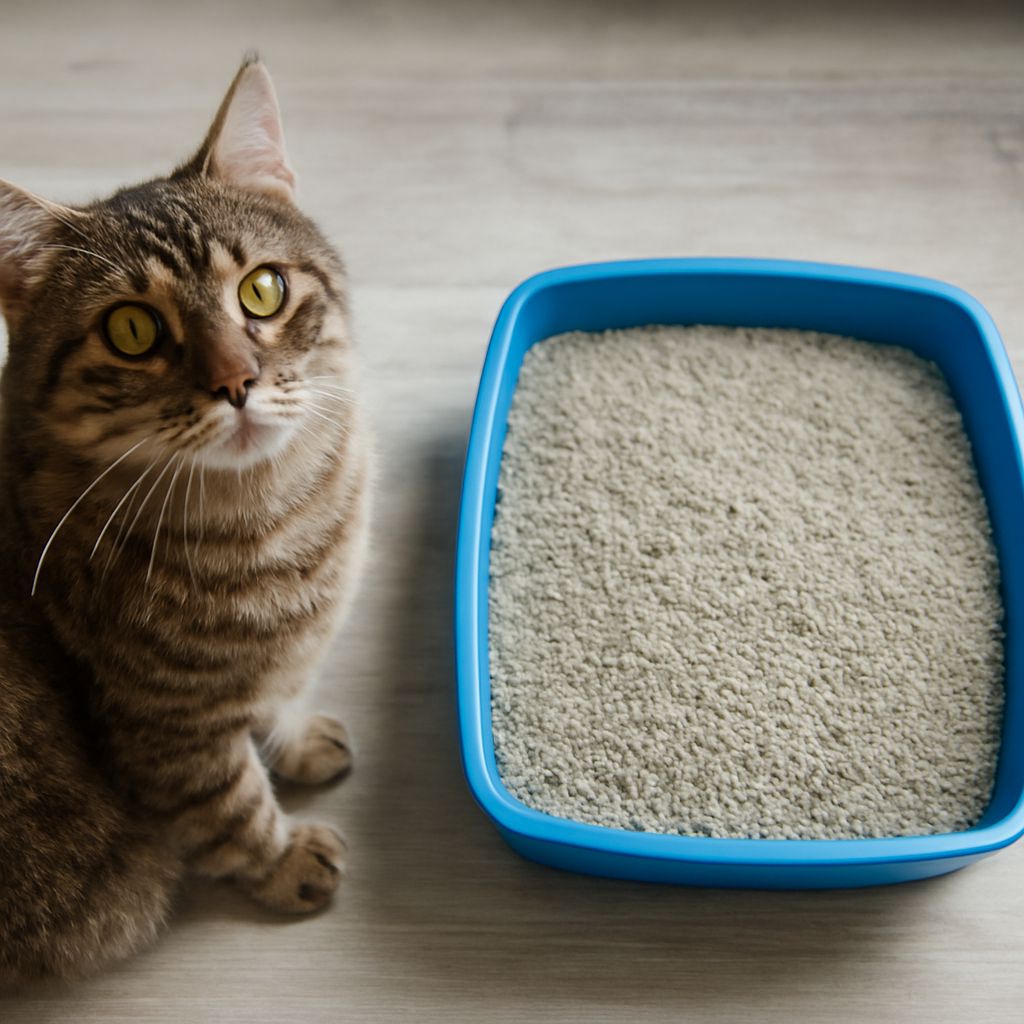
You scoop the litter box and notice the clumps are tinged pink or red, or you catch your cat in the act and the urine looks wrong. The question why is my cat peeing blood runs through your head immediately, and the concern is completely valid. Blood in cat urine is always worth taking seriously, even when the amount appears small.
Cat has blood in urine is one of the more common urinary complaints vets hear about, and it has a range of possible causes from minor to urgent. Cat urinating blood alongside straining, crying, or multiple trips to the litter box without producing much urine points to obstruction or infection. Whether you’re seeing cats blood in urine clearly or just a slight discoloration, getting the issue evaluated protects your cat’s long-term urinary health. Cat urine blood that appears suddenly in a male cat is a particular reason to act fast.
Common Causes of Blood in Cat Urine
Feline Idiopathic Cystitis
The most frequent cause of hematuria in cats under 10 years is feline idiopathic cystitis, or FIC. Despite the name, it has no single identified cause, though stress plays a documented role in triggering flares. The bladder wall becomes inflamed without an infection being present, causing discomfort, frequent trips to the box, and blood in the urine. Management involves environmental enrichment, stress reduction, and sometimes dietary changes.
Urinary Tract Infections
Bacterial UTIs are more common in older female cats than in young males. Signs include frequent urination, discomfort when urinating, and sometimes bloody or cloudy urine. A urine culture identifies the bacteria involved and guides antibiotic selection. Left untreated, a UTI can progress to a kidney infection.
Urinary Stones and Crystals
Mineral crystals or stones in the bladder or urethra can scratch the urinary tract lining, causing bleeding. Struvite and calcium oxalate are the two most common types in cats. Diet plays a role in both formation and management. Your vet can identify crystal type through urinalysis and recommend appropriate dietary changes or treatment.
Urethral Obstruction
A blocked urethra is a life-threatening emergency, particularly in male cats whose urethra is narrower. A cat that is straining repeatedly without producing any urine, crying in pain, or showing signs of distress needs emergency veterinary care immediately. Even a few hours of complete blockage can cause kidney damage.
What Your Vet Will Do
Diagnosis starts with a urinalysis to check for red blood cells, white blood cells, bacteria, and crystals. A urine culture may follow if infection is suspected. Abdominal X-rays or ultrasound can identify stones. In older cats, bloodwork checks kidney function, which urinary issues often affect.
Based on findings, treatment might include antibiotics, a prescription urinary diet, increased water intake through wet food or a water fountain, pain management, or surgical removal of stones. For FIC, reducing household stress and adding litter boxes often matters as much as any medication.
Next Steps
If you notice any blood in your cat’s urine, call your vet for a same-day or next-day appointment. If your cat is straining without producing urine, vocalizing during attempts to urinate, or seems lethargic alongside the urinary signs, treat it as an emergency and go immediately. At home, ensure fresh water is always available and consider switching to wet food if your cat eats primarily kibble, as hydration directly supports urinary tract health. Your vet can run a urinalysis on a urine sample you bring in, so ask about proper collection technique before your visit.