
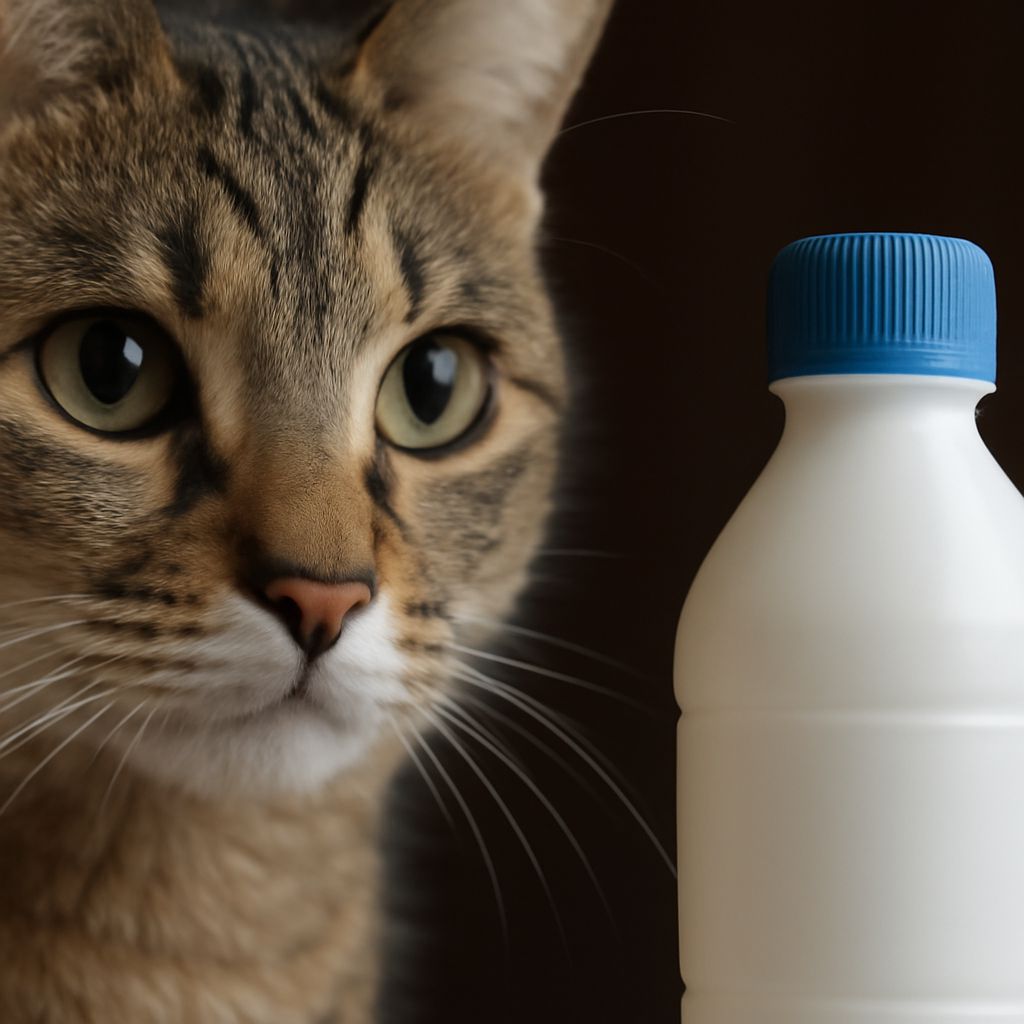
Your cat has a small cut on their leg and you’re standing in the bathroom looking at a bottle of hydrogen peroxide wondering if you can use it the same way you would on yourself. This is a genuinely common situation, and the answer matters. Is hydrogen peroxide safe for cats? The short answer is no, not for wound cleaning, despite what many people assume based on its use in human first aid. Understanding why guides you toward what actually works.
The related question also comes up frequently: is triple antibiotic ointment safe for cats? Again, the answer requires some nuance. Can I use antibiotic ointment on my cat is a question vets hear often, and the response depends heavily on the product and the location of the wound. Hydrogen peroxide cats exposure causes tissue damage rather than healing, and some human antiseptic products contain ingredients that are toxic when a cat licks them, which cats always do.
Why Hydrogen Peroxide Harms Cat Wounds
Hydrogen peroxide kills bacteria by releasing oxygen, but it does this indiscriminately. The same oxidative process that kills bacteria also damages healthy tissue cells, including the fibroblasts responsible for wound healing. Studies in veterinary medicine have consistently shown that hydrogen peroxide on cats wounds delays healing rather than accelerating it.
Beyond the tissue damage, hydrogen peroxide cats ingestion poses additional risk. When a cat licks a wound treated with peroxide, they ingest a compound that causes oral irritation and can cause vomiting at higher concentrations. This isn’t a trivial amount when a cat is obsessively grooming a wound site over several hours.
What to Use Instead
Plain saline solution is the veterinary standard for wound cleaning. A simple 0.9% sodium chloride saline flush removes debris and bacteria without damaging healing tissue. You can make this at home by dissolving one teaspoon of table salt in two cups of previously boiled, cooled water, or buy sterile saline flush at any pharmacy.
When to Seek Veterinary Care
Any puncture wound, deep laceration, bite wound from another animal, or wound that is actively bleeding, swollen, or producing discharge requires veterinary attention. Home wound care is appropriate only for very minor surface abrasions on cats who are otherwise behaving normally. If you are uncertain about severity, contact your vet rather than treating at home.
Triple Antibiotic Ointment and Cats
The question of can I use antibiotic ointment on my cat gets complicated by one specific ingredient: neomycin, which is present in most triple antibiotic products including Neosporin. Neomycin is a known allergen in some cats and can cause local reactions. More importantly, any ointment applied to a cat will be licked off promptly, and the ingested compounds may cause digestive upset.
Is triple antibiotic ointment safe for cats if applied in a small amount? Occasional, minimal exposure is generally not life-threatening, but it’s not recommended. The bigger issue is that ointments create a barrier that can trap moisture and bacteria under the surface of a wound rather than allowing it to air out properly.
Veterinary-Approved Topical Options Your vet may prescribe a feline-specific topical antibiotic if a wound needs one. Silver sulfadiazine cream is sometimes used in veterinary settings. Chlorhexidine solution diluted to 0.05% is safe for cats and effective against a broad spectrum of bacteria; it’s a better topical choice than hydrogen peroxide or human antibiotic ointments for minor cleaning.
Preventing Licking at a Wound
Cats will always lick wounds. An e-collar (cone) is the most reliable way to prevent licking while a wound heals. Soft fabric collars and inflatable options are more comfortable for cats than traditional hard plastic cones and work well for minor wounds that don’t require a full cone reach restriction.
Bottom line: Skip hydrogen peroxide on cats entirely; it does more damage than good. For minor wounds, clean with diluted saline and apply an e-collar to prevent licking. When in doubt about wound severity or the right product to use, a quick call to your vet takes ten minutes and prevents a week of complications.