
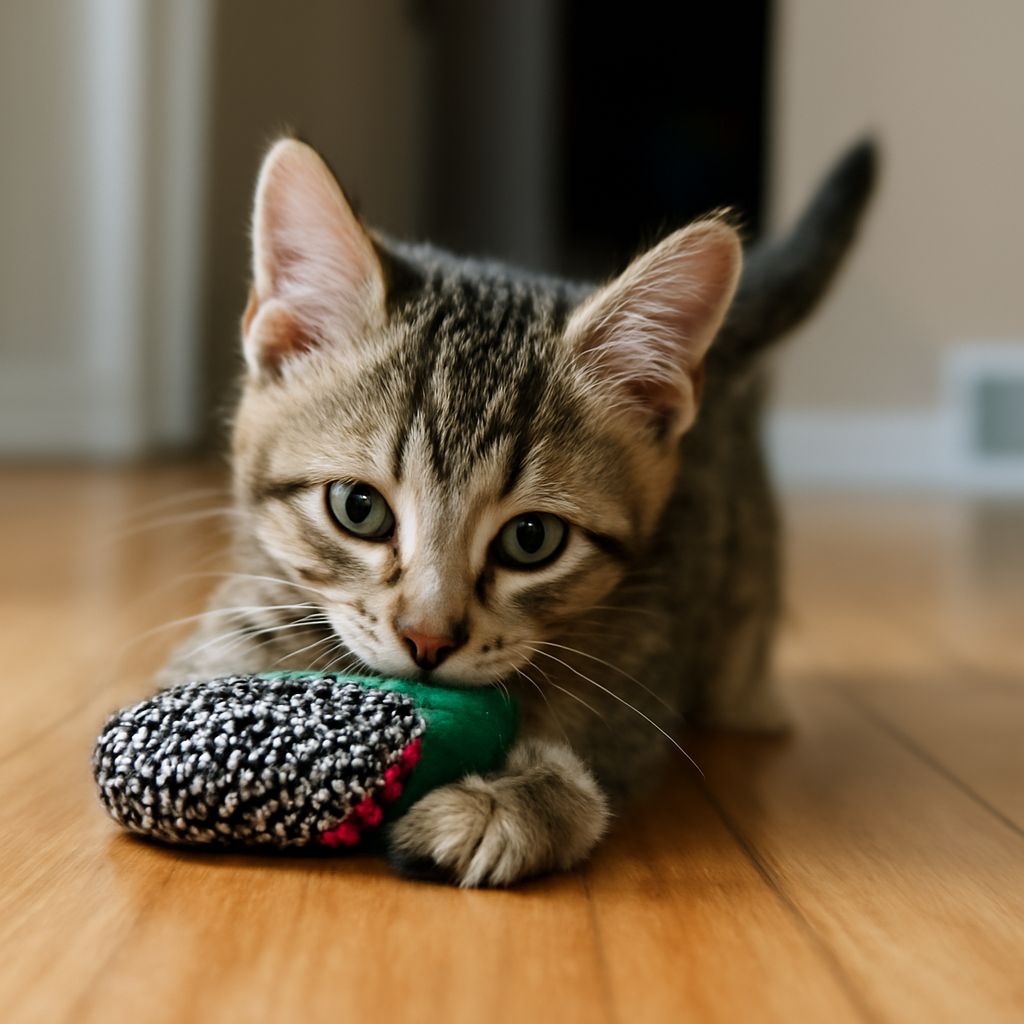
You settle onto the couch after a long day and your cat immediately climbs into your lap, eyes half-closed, and begins to vibrate with that low, rhythmic hum. Most people read it as pure contentment — and often they’re right. But what does it mean when a cat is purring goes deeper than simple happiness, and understanding the full picture can make you a far more attentive owner.
Cats are subtle communicators. Knowing what does it mean when your cat purrs in different situations — during play, at the vet, or in the middle of the night — helps you respond to their actual needs. You may have wondered when do cats purr only out of joy, or whether that sound carries other messages. You’ve noticed when cats purr while being stroked, but also when they’re alone and seem unsettled. And you’ve probably asked yourself what happens when a cat purrs right before mealtime. This guide covers all of it.
The Mechanics Behind the Sound
Purring is produced by rapid, rhythmic movements of the laryngeal (voice box) muscles. These muscles dilate and constrict the glottis — the part of the larynx surrounding the vocal cords — during both inhalation and exhalation. The result is that distinctive continuous rumble, typically between 25 and 150 Hz.
Unlike a meow, which stops the moment a cat exhales, the purr runs on a loop. Cats can sustain it for minutes without interruption. Domestic cats produce this sound; most big cats, like lions, cannot purr in the same continuous way, though they can make similar rumbling sounds during exhaling.
When Cats Purr Out of Contentment
The most common context is relaxation and comfort. A cat purring while being petted, while kneading a soft blanket, or while curled up next to a trusted person is almost always expressing ease. The frequency of the purr in these situations tends to be lower and steadier.
Kittens begin purring within days of birth, using the vibration to communicate with their mothers during nursing. That early association between purring and safety likely carries into adulthood. When a cat purrs beside you on the couch, it is drawing on a deeply ingrained signal that says: this place, this moment, is safe.
Purring as a Request or Demand
Cats are clever, and they’ve learned that purring gets results. Researchers have identified what they call a “solicitation purr” — a purr that embeds a higher-pitched cry, similar in frequency to an infant’s wail. Humans find it hard to ignore. You’ve probably heard it around feeding time: that slightly urgent, insistent version of the usual rumble.
This type of purring is a direct request. The cat isn’t just content; it’s asking for food, attention, or access to a room. Pay attention to the pitch and context. A purr that sounds a bit more nasal or urgent is usually a communication, not just an expression of mood.
Self-Soothing and Healing Vibrations
Here is where the behavior gets genuinely interesting. Cats also purr when they are stressed, injured, or unwell. You might notice your cat producing that low hum at the veterinary clinic, during a car ride, or after a fall. This is self-soothing — the vibration appears to calm the nervous system in the same way rocking soothes a distressed child.
Beyond comfort, there is real evidence that the 25–50 Hz range of many cats’ purrs can promote bone density and tissue healing. Some researchers believe cats evolved to purr partly as a low-energy mechanism to maintain bone and muscle condition during long periods of rest. The body uses the vibration even when the cat is simply lying still.
Reading the Context Around the Purr
The purr alone doesn’t tell the whole story. You need to read it alongside your cat’s body language:
- Relaxed purring: Eyes half-closed, body loose, tail still — contentment.
- Tense purring: Ears back, body tight, tail low — stress or pain.
- Solicitation purring: Cat standing, making eye contact, moving toward food area — requesting something.
- Purring while grooming you: Social bonding behavior.
When your cat purrs during something that should be uncomfortable — a vet exam, for instance — don’t assume it means they’re fine. That kind of cat-purring behavior is often a coping mechanism rather than a sign of ease. Let the full picture, not just the sound, guide your interpretation.
When to Pay Closer Attention
A cat that purrs constantly, especially while also showing signs of weight loss, reduced appetite, or changes in litter box habits, may be masking discomfort. Purring in these situations can delay a diagnosis if owners assume the cat is simply relaxed.
Trust your instincts. If the context doesn’t match contentment — if your cat seems withdrawn, eats less, or moves stiffly — a veterinary check is worth scheduling regardless of what sounds are coming from them. Knowing the difference between a happy purr and a stressed one takes time, but it comes with close observation.