You’ve found a wet patch on the bathmat next to the litter box — or worse, on your sofa — and you know your cat is responsible. If you’re dealing with a cat peeing outside litter box, you’re facing one of the most frustrating and common behavioral complaints in cat ownership. The behavior is rarely spiteful; it almost always signals that something in your cat’s world — medical, environmental, or emotional — needs to change.
Understanding why is my cat peeing outside the litter box begins with separating the possible causes into two main categories: medical and behavioral. When a cat pees outside litter box, the approach to solving it differs depending on the root cause. Both cats peeing outside litter box due to illness and those doing it from behavioral reasons require different interventions. In some cases, the answer to why is my cat peeing just outside the litter box is as simple as the box setup itself.
Medical Reasons Your Cat May Be Peeing Outside the Box
A sudden change in litter box habits is one of the clearest signals that a cat may be experiencing physical discomfort. Urinary tract infections (UTIs), bladder stones, feline idiopathic cystitis (FIC), kidney disease, diabetes, and hyperthyroidism can all cause increased urgency or frequency — making it impossible for a cat to reach the box in time. Pain during urination may also cause a cat to associate the box itself with discomfort, leading it to seek alternative spots. Straining, blood in the urine, or frequent visits to the box with little output are medical emergency signals requiring same-day veterinary attention.
Litter Box Setup Issues That Cause Accidents
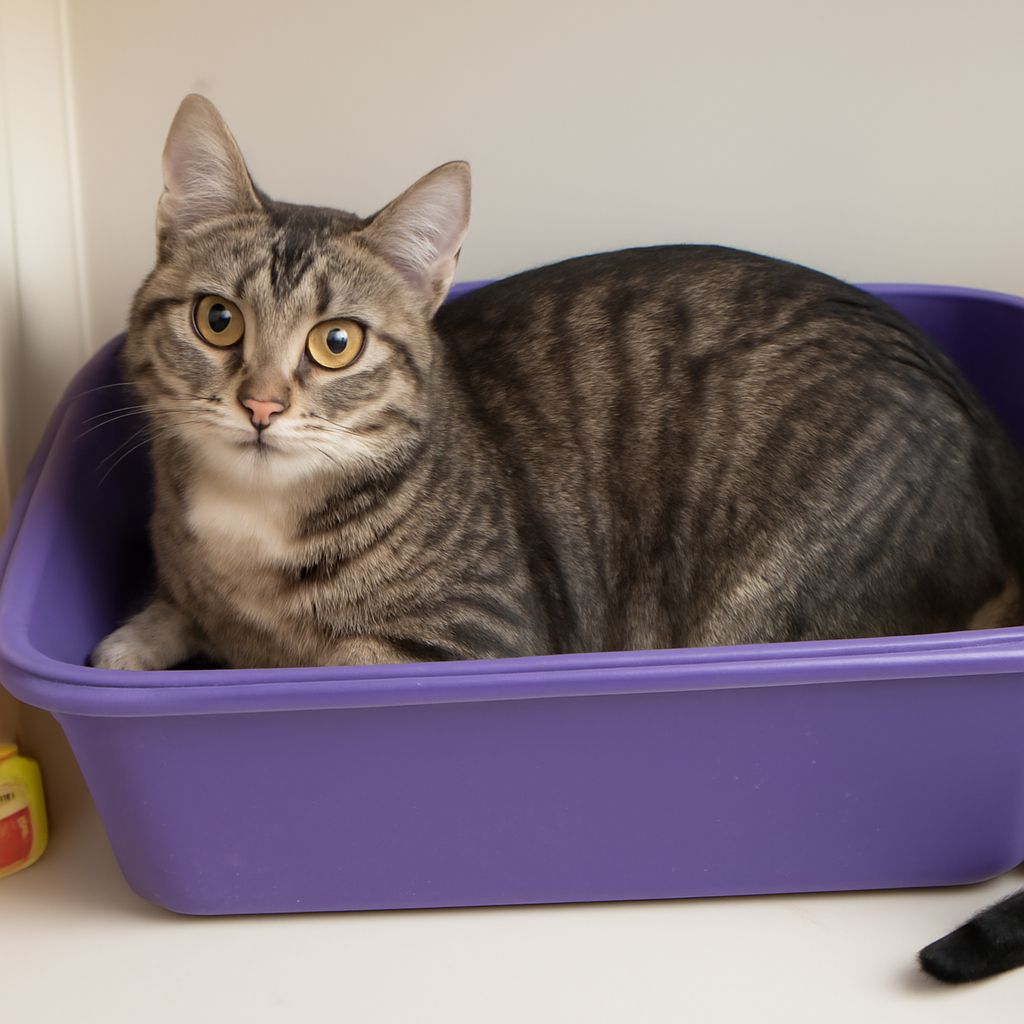
The litter box itself is often the culprit. Common setup problems include: too few boxes (the rule of thumb is one per cat plus one extra), a box that is too small for the cat’s body size, a covered box that traps odors, litter that has been changed to an unfamiliar type or scent, insufficient cleaning frequency, or poor placement in a high-traffic or noisy location. A cat eliminating just outside the box — rather than in a distant location — often signals dissatisfaction with the box itself rather than a behavioral issue.
Behavioral and Stress-Related Causes
Cats are sensitive to environmental changes and can respond to stress through inappropriate elimination. Common triggers include: a new pet or family member in the household, moving to a new home, changes in the owner’s schedule, construction noise, or conflict with another cat. Unneutered males and unspayed females may spray urine to mark territory — a behavior distinct from inappropriate urination and typically addressed through spaying or neutering.
How to Identify Whether It’s Medical or Behavioral
The most reliable way to determine the cause is a veterinary examination with urinalysis. Even if you suspect the cause is behavioral, ruling out a medical issue first is essential — treating a UTI as a behavior problem delays necessary care and worsens the cat’s condition. Behavioral causes are usually confirmed only after medical causes have been excluded. Location and pattern can offer clues: urinating in multiple soft surfaces (laundry, beds) typically points to behavioral causes, while urgency-related accidents near the box often suggest a medical origin.
Fixing the Problem: Practical Solutions
Once the cause is identified, targeted solutions typically resolve inappropriate urination. For medical causes, follow your vet’s treatment protocol — antibiotics for UTI, dietary changes for stones, or management medications for FIC. For litter box issues, add more boxes, switch to an unscented, fine-grained litter, increase cleaning frequency to once or twice daily, and experiment with box size and placement. For behavioral causes, address the stressor directly: use Feliway diffusers (synthetic calming pheromones), provide additional vertical space and hiding spots, and if multi-cat tension is the driver, create separate resource zones for each cat. Enzyme cleaners are essential for eliminating odor from accident sites — standard cleaners leave residual scent that encourages repeat soiling.
Next Steps: When to See a Vet
Schedule a veterinary appointment promptly if your cat’s inappropriate urination began suddenly, if you notice any straining, blood, or crying during urination, or if the behavior persists despite addressing obvious environmental factors. Your vet may recommend urinalysis, blood work, or imaging to identify underlying disease. For cats with recurring behavioral elimination issues, a veterinary behaviorist referral can provide more specialized support. Addressing litter box problems early — before they become entrenched habits — gives you the best chance of a lasting resolution.