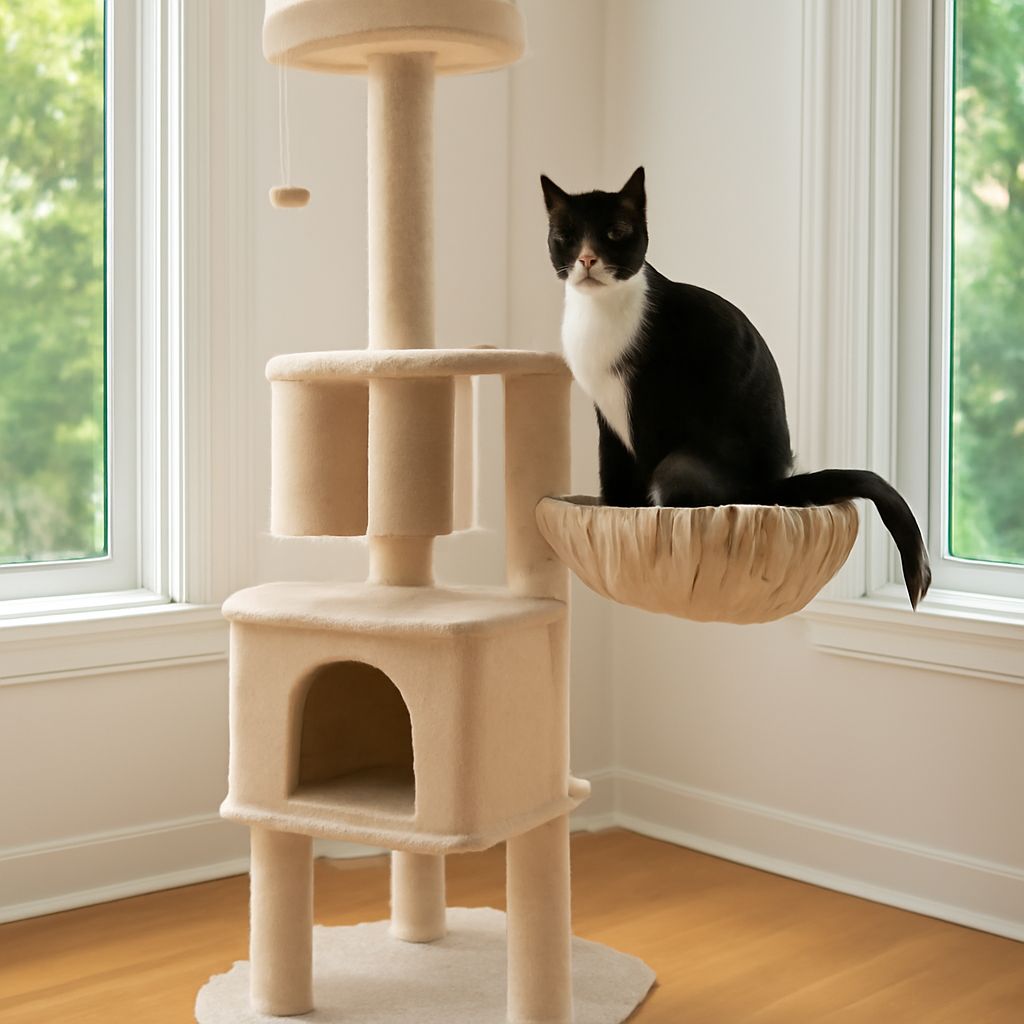
You just brought home a new tree cat tower, and your cat is already eyeing it from across the room. Whether you want something that blends into your living room decor or a full-on jungle gym your cat can conquer, picking the right realistic cat tree makes all the difference. The wrong choice collects dust; the right one becomes your cat’s second home.
If you’ve been comparing cat tree condo options online and feeling overwhelmed, you’re not alone. From floor-to-ceiling poles to cozy cat trees and condos with multiple perches, the variety is huge. Some owners want something that looks like a real cat tree, almost like a piece of natural wood sculpture. Others just want durable and affordable. This guide cuts through the clutter so you can find the best fit for your cat and your home.
What Makes a Good Tree Cat Tower
Stability and Weight Capacity
The first thing to check is whether the tower can actually hold your cat without wobbling. A shaky structure sends cats running and never using it again. Look for a wide, heavy base or wall-mounting options, especially if you have a larger breed. Most cat tower designs list weight limits, but the key indicator is how the base relates to the overall height.
Materials and Durability
Sisal-wrapped posts are the gold standard for scratching. They hold up longer than carpet and actually satisfy the scratching urge better. The platforms and condos should be covered in a plush material that’s easy to vacuum. If a real cat tree aesthetic matters to you, look for models made from actual wood branches or bark-textured materials. They look great and still hold up well with regular use.
Size and Layout
Match the tower height to your cat’s personality. Climbers want height. Loungers want wide platforms. Shy cats need enclosed condos where they can hide. A multi-level design with a mix of open perches and enclosed spaces handles most personality types. If you have multiple cats, go bigger than you think you need.
Ease of Assembly
Most towers ship flat-packed. Read a few reviews specifically about assembly before buying. Some designs go together in under 30 minutes. Others require two people, extra tools, and a lot of patience. Clear instructions and pre-drilled holes matter more than you might expect.
Styles of Cat Trees and Condos
Natural Wood and Realistic Designs
If you want something that looks like an actual branch structure rather than a carpet-covered pole, you’re in the real cat tree category. These models use real wood, driftwood, or highly detailed synthetic bark. They cost more but blend into a modern or rustic home without looking like a pet store display. Some even double as room decor.
Classic Multi-Level Towers
The traditional tower style has multiple platforms at different heights, sisal-wrapped posts, and one or more enclosed condos. These cat trees and condos are widely available, affordable, and cats tend to use them reliably. If your cat likes to watch the room from a high spot, look for a tall tower with a large top platform.
Wall-Mounted and Space-Saving Options
Wall-mounted perches and floating shelves give cats vertical space without taking up floor space. These work well in apartments or smaller homes. They can be arranged in any configuration and often look cleaner than a freestanding tower. The downside is that installation requires some effort and wall anchors.
Corner and Large Configurations
For multi-cat households, corner towers or L-shaped configurations give each cat room to claim its own space. These larger builds typically include more platforms, more condos, and more scratching posts. They’re heavier and harder to move, so pick the location carefully before assembly.
Next Steps
Measure your space before ordering, and check the tower’s footprint, not just its height. Place the tower near a window or in an area where your cat already spends time, since location drives adoption. Rub a little catnip on the posts and platforms during the first week to encourage exploration. Tighten all bolts every few months and replace worn sisal rope when it starts to fray. A well-maintained cat tree tower keeps working for years.