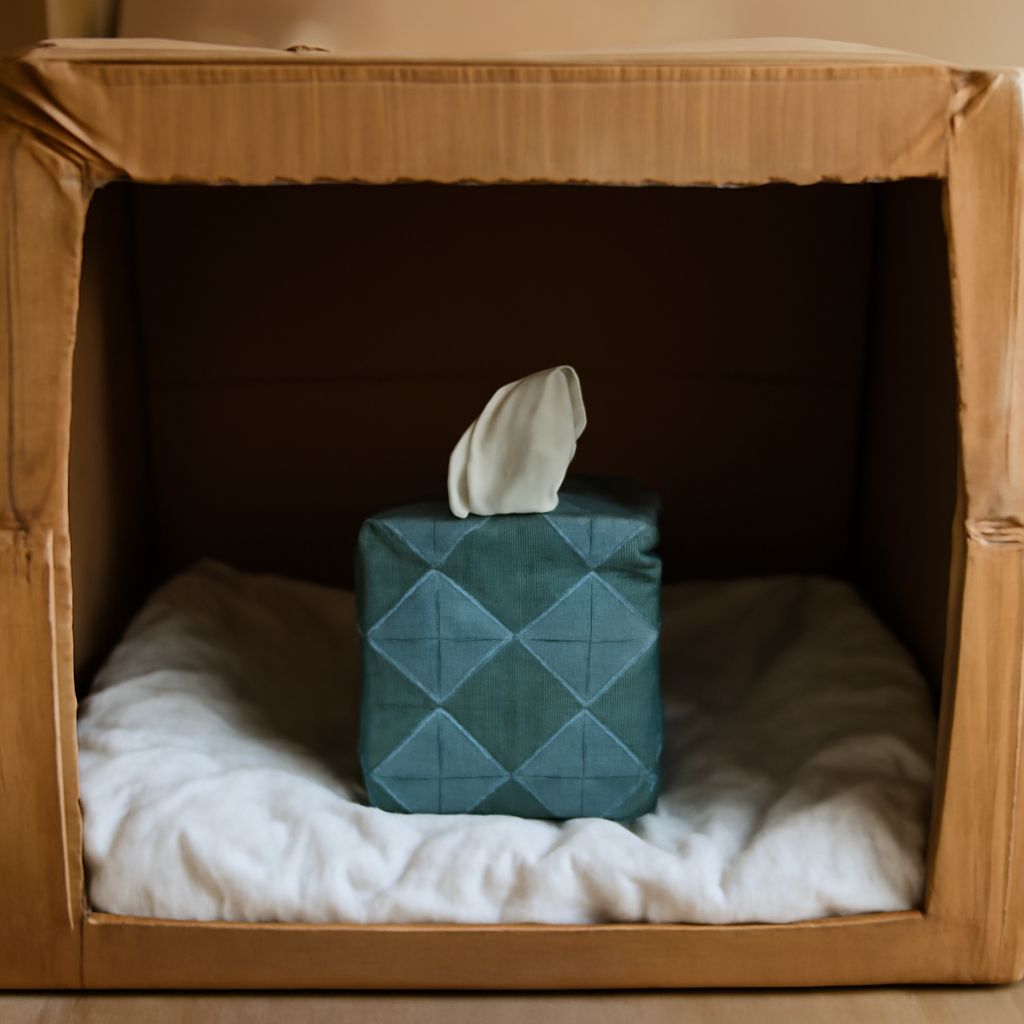
Your cat is pregnant and her due date is approaching fast. You know she’ll need a safe, comfortable space to deliver and care for her kittens — but you’re not sure exactly what to set up or when. A proper cat birthing box is one of the most important preparations you can make before a litter arrives. Getting it right reduces stress for your cat, supports healthy kitten development, and makes the postpartum period far easier to manage.
All cats in a box context — whether a simple cardboard nesting space or a purpose-built whelping box — rely on the same underlying principles: warmth, security, containment, and easy cleaning. Some creative owners build a diy cat window box-style enclosure for enrichment, or incorporate calming elements like a cat music box playing soothing sounds nearby. Others prefer simple arrangements — even a well-constructed cat box fort of cardboard can serve as a functional birthing space if designed correctly. This guide covers everything you need to create the ideal environment.
Why a Cat Birthing Box Matters
A designated birthing space isn’t just a convenience for the owner — it serves critical instinctual and physiological needs for the mother cat.
What Cats Need During Labor and Delivery
A queen in labor needs privacy, warmth, and a contained space that feels defensible. Without an appropriate nesting spot, she may choose inappropriate locations — inside closets, under beds, or in storage areas — which creates hygiene and monitoring challenges. A properly positioned birthing box gives her a sanctioned, comfortable space that satisfies her nesting drive while keeping the litter accessible for your oversight.
How Instinct Drives Nesting Behavior In the days before delivery, a pregnant cat’s nesting instinct intensifies dramatically. She’ll seek out enclosed, hidden spaces and may rearrange bedding obsessively. Introducing the birthing box early gives her time to investigate it, add her scent, and accept it as her chosen space. Cats that haven’t been given a suitable nesting box often give birth in unexpected locations — sometimes problematic ones — simply because the instinct to nest must be satisfied somewhere.
Timing: When to Introduce the Birthing Box
Place the birthing box in its final location one to two weeks before the expected delivery date. This gives your cat ample time to explore it, sleep in it, and claim it as her own. Moving the box after she has accepted it — even to a seemingly better spot — can cause her to reject it and seek alternatives. Consistency of placement matters as much as the box itself.
How to Set Up the Ideal Birthing Box
The construction details of a birthing box directly affect the safety and comfort of both the mother and kittens.
Choosing the Right Size and Material
The box should be large enough for the queen to lie stretched out comfortably with room for a litter of kittens — typically at least 24 inches by 24 inches for a medium-to-large cat. The sides should be high enough to contain newborn kittens (who cannot yet climb), but the front should have a low cut-out section the mother can step over easily. Rigid cardboard, plastic storage bins, or purpose-built whelping boxes all work well. Avoid flimsy materials that collapse or absorb moisture.
Bedding, Liners, and Hygiene Essentials Line the bottom of the box with layers of disposable puppy pads or old towels that can be changed quickly. Avoid fluffy bedding that could trap newborn kittens or obstruct their breathing. Have plenty of clean replacements on hand — you’ll need to change the lining multiple times in the hours following delivery and regularly for the first few weeks. Keep the box interior warm but not hot: ambient room temperature between 75–80°F is ideal for newborns.
Location and Temperature Considerations Position the birthing box in a quiet, low-traffic area away from other pets and household noise. A spare bedroom, walk-in closet, or quiet corner of a room works well. Avoid drafty locations near exterior doors or air conditioning vents. If ambient room temperature is below 70°F, place a low-wattage heating pad set to the lowest setting under half the box floor so kittens can move off it if too warm — never heat the entire floor surface.
After Delivery: Caring for the Box and the New Family
Change soiled liners as frequently as needed in the first 24 hours — typically every few hours immediately post-birth. Allow the mother to settle between changes rather than disturbing the litter repeatedly. Monitor kitten nursing, warmth, and the queen’s eating and drinking carefully in the first 48 hours. Weigh kittens daily for the first two weeks to confirm healthy weight gain. Keep the area around the birthing box clean and free of foot traffic to minimize the mother’s stress and reduce pathogen exposure to the vulnerable newborns.