
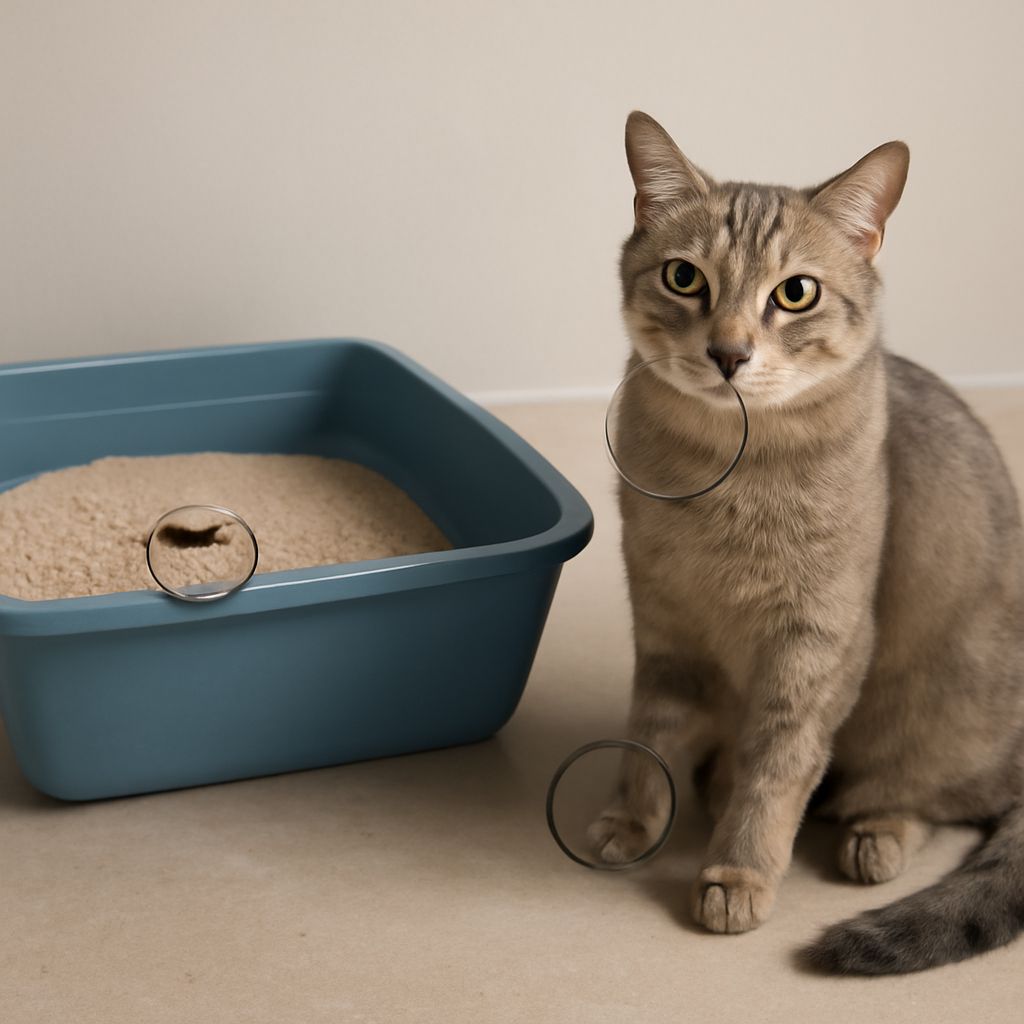
You love your cat, but a recent vet visit left you with an unsettling question: can humans get tapeworms from cats? The short answer is yes, though transmission is far less common than many people fear. Understanding how can people get worms from cats, especially tapeworms, helps you take the right precautions without unnecessary panic. If you have ever wondered whether can people get tapeworms from cats through everyday petting or can humans get tapeworm from cats simply by sharing a couch, read on for practical, evidence-based guidance.
Most cases of human infection follow a specific, predictable path involving fleas rather than direct cat-to-human contact. Knowing what puts you and your family at risk — and what keeps everyone safe — is the smartest thing any cat owner can do.
Understanding Tapeworm Transmission
Tapeworms are flat, segmented parasites that live in the intestines of their hosts. The most common species affecting cats is Dipylidium caninum, transmitted when a cat or person accidentally swallows an infected flea. Fleas carry tapeworm larvae, and when cats groom themselves they can ingest fleas harboring these larvae. Humans can become infected the same way — usually young children who put their hands in their mouths after handling a flea-infested pet.
A second species, Echinococcus multilocularis, poses a more serious risk and can spread through contact with infected feces in certain regions. However, the vast majority of household tapeworm cases involve Dipylidium, for which simple flea prevention dramatically lowers risk.
Direct Contact vs. Flea-Mediated Transmission
You cannot get tapeworms from your cat simply by petting or cuddling. The parasite life cycle requires an intermediate host — typically the common cat flea. Without swallowing an infected flea, human tapeworm infection does not occur through casual touch.
How Flea Control Breaks the Cycle
Monthly flea preventatives applied to your cat eliminate the intermediate host. No fleas on your cat means no pathway for tapeworm larvae to reach either your pet or your own digestive tract. This single step is the most powerful preventive tool available.
Which Tapeworm Species Affect Both Cats and People
Two species deserve special attention for households with cats:
- Dipylidium caninum — The common flea tapeworm. Human infection, especially in children, happens after accidental flea ingestion. Worm segments resemble grains of rice near an infected cat’s tail area.
- Echinococcus granulosus / multilocularis — More dangerous forms, causing cystic or alveolar echinococcosis in humans. Cats can carry these through eating infected rodents. Primarily a concern in rural or endemic regions.
- Toxocara cati — Technically a roundworm, not a tapeworm, but often confused when people ask about can humans get roundworms from cats. This spreads through contact with contaminated soil or feces, not through fleas.
Identifying Tapeworm Segments
If you notice small white rice-like segments on your cat’s bedding or around their rear end, contact your vet promptly. Testing and targeted deworming resolve the issue quickly. Regular fecal exams — at least once yearly — catch worm infestations before they escalate.
Symptoms and When to See a Doctor
Most tapeworm infections in humans cause mild symptoms or none at all. Possible signs include abdominal discomfort or nausea, unexplained weight changes, visible segments in stool, and itching around the anal area. Children are more vulnerable because they are more likely to touch contaminated surfaces and then their faces.
If you suspect anyone in the household has been infected, see a physician. Tapeworm infections respond well to a single dose of prescription medication in most cases. Do not attempt self-treatment with over-the-counter dewormers marketed for pets.
High-Risk Groups
Immunocompromised individuals, young children, and pregnant women should exercise extra caution. Discuss specific preventive strategies with both your vet and your family doctor if household members fall into these categories.
Prevention Tips for Cat Owners
Protecting your household is straightforward with consistent habits. Use vet-approved monthly flea treatments on all pets year-round. Follow your vet’s deworming schedule, typically every three to six months for cats with outdoor access. Wash hands thoroughly after handling litter boxes, pets, or garden soil, and teach children the same habit. Scoop the litter box daily and disinfect it weekly to limit fecal contamination. Have your vet run a fecal exam once or twice yearly to catch parasites early. Keep cats from hunting rodents, which act as intermediate hosts for more serious Echinococcus species.
When cat owners wonder whether can humans get tapeworm from cats in normal daily life, the honest answer is that risk is real but low. A consistent prevention routine keeps it effectively negligible for most households. Treat your cat’s fleas, maintain litter hygiene, and wash your hands after contact — those three habits accomplish more than any worry about worm transmission.