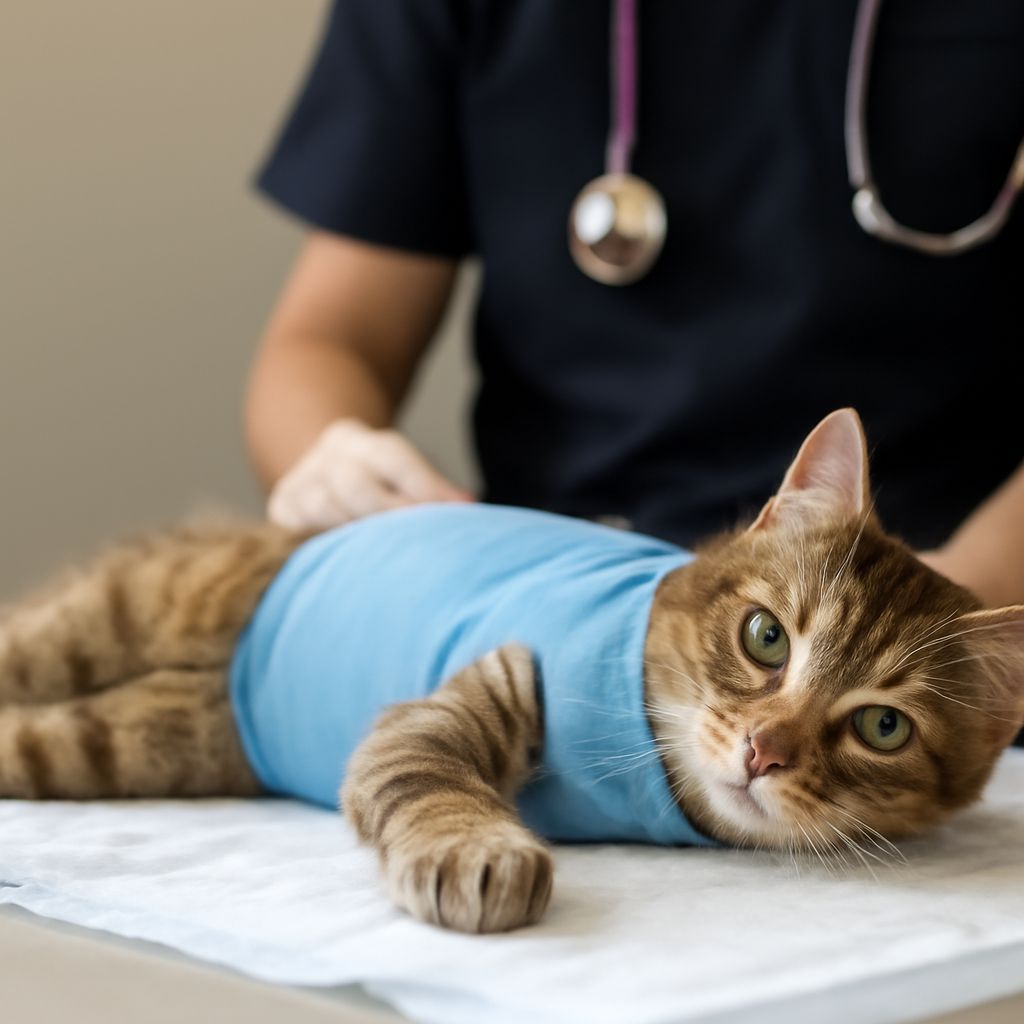
Neutered Male Cat: What to Expect Before, During, and After
You’ve decided to have your male cat neutered, or you’re weighing the decision and want to know what the process looks like. A neutered male cat behaves differently in several important ways, and understanding those changes ahead of time makes the transition easier for both of you. Whether you’re preparing for the procedure or you’ve recently brought home a freshly fixed male cat, here’s what matters most.
Male cat neuter surgery is one of the most routine procedures in veterinary medicine. Still, questions about male cat neutering side effects, recovery timelines, and long-term behavior changes come up often. This guide answers them directly.
What Happens During Male Cat Neuter Surgery
The Procedure Itself
Neutering a male cat involves removing both testicles under general anesthesia. The incisions are small — typically two tiny cuts that don’t even require sutures in most cases. The whole surgery takes under thirty minutes. Most cats go home the same day.
Before the Surgery
Your vet will ask you to withhold food for several hours before anesthesia. A pre-surgical exam checks your cat’s overall health. For older cats or those with underlying conditions, bloodwork may be recommended first.
Male Cat Neutering Side Effects and Recovery
Normal Post-Op Signs
A fixed male cat coming home from the clinic will be groggy from anesthesia for several hours. Some vomiting is normal as the anesthesia wears off. You may notice mild swelling at the incision site for a day or two. Keep the cat indoors and limit jumping for about a week.
Behavioral Changes After Neutering a Male Cat
The hormonal changes following neutering a male cat take a few weeks to fully take effect. Testosterone-driven behaviors — roaming, spraying, mounting, and inter-cat aggression — typically decrease significantly within four to eight weeks. Most owners report a noticeably calmer, more affectionate cat within a month.
Male cat neutering side effects on weight are real. Neutered males have a lower metabolic rate and can gain weight more easily. Switching to a controlled-portion diet or neutered-formula food after recovery helps maintain a healthy body weight long-term.
When to Call the Vet
Watch the incision site for excessive swelling, redness, or discharge. A neutered male cat that strains to urinate, becomes lethargic beyond the first 24 hours, or stops eating after day two needs a vet call. These are not typical male cat neutering side effects and may signal a complication.
Long-Term Benefits of Having a Fixed Male Cat
Beyond behavior, a fixed male cat has a significantly reduced risk of testicular cancer (eliminated entirely) and lower incidence of prostate problems. Outdoor or indoor-outdoor males are less likely to roam and fight after being neutered, which reduces bite wound abscesses and exposure to FIV — the feline version of HIV, which spreads primarily through cat bites.
Key Takeaways
Neutering a male cat is safe, fast, and delivers lasting benefits for behavior and health. Male cat neutering side effects are mostly mild and short-lived. A neutered male cat tends to be calmer, less likely to spray, and easier to live with — and monitoring weight after surgery keeps him healthy for the long haul.