
20 Year Old Cat Care: Senior Cat Health, Behavior, and What to Expect
Your cat has been with you through moves, relationships, and decades of life. Now you’re looking at a 20 year old cat and wondering what’s normal, what’s declining, and how to give them the best possible quality of life for however long they have left. Cats this age are genuinely exceptional — the median cat lifespan is around 12–15 years, so a cat at 20 has already outlived most of their counterparts significantly.
Understanding when is a cat a senior helps put the care needs into context. But a 20-year-old is well beyond “senior” into what vets sometimes call “geriatric.” Their senior cat behavior may have shifted dramatically from who they were at 5 or 10. And while questions about cat in labor or cats in labor may seem unrelated, the aging reproductive system in intact senior females is a real health risk worth knowing about. This guide focuses on what to expect and how to support a very old cat effectively.
When Is a Cat a Senior, and What Does Geriatric Mean?
The Age Stages in Cats
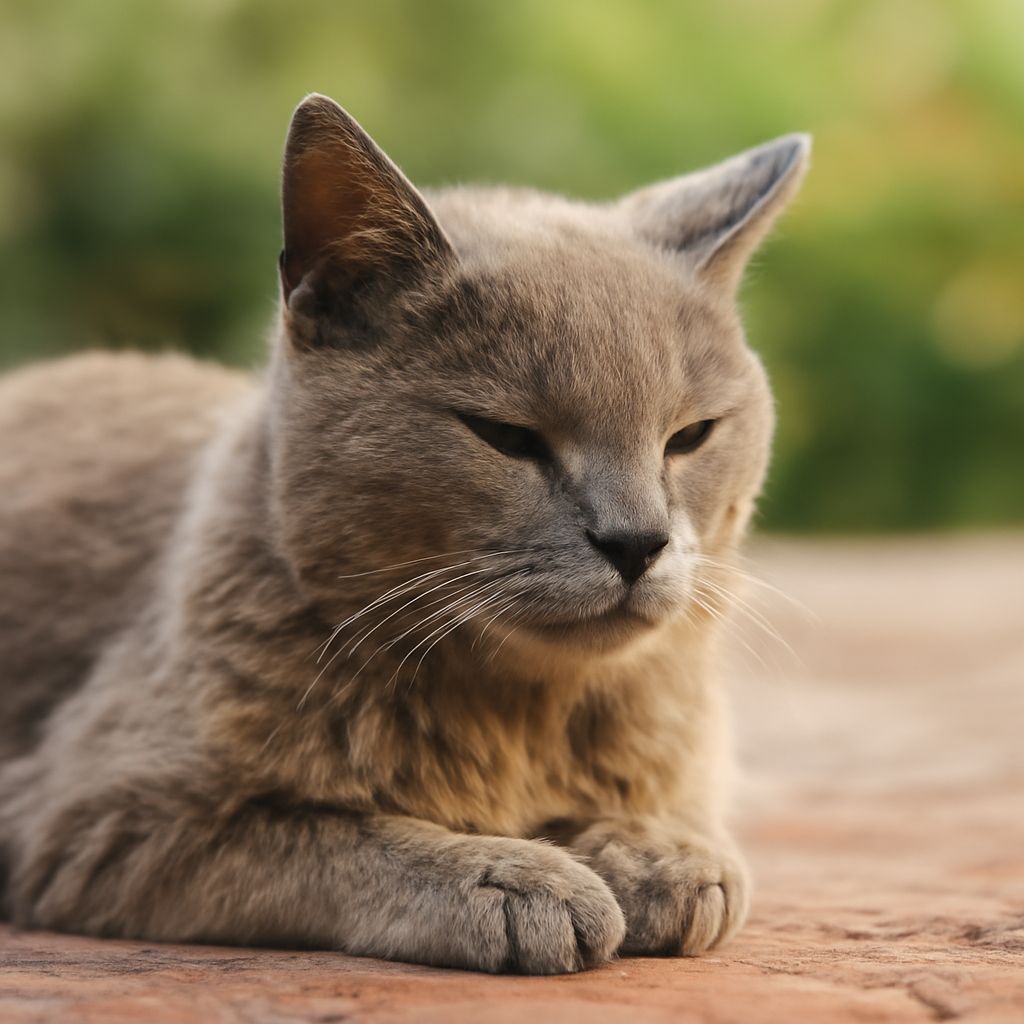
Most veterinarians consider a cat “senior” from around age 11, and “geriatric” from age 15 onward. A 20-year-old cat is in rarefied territory — equivalent to a human in their mid-90s. Their organ function, sensory acuity, and mobility all reflect that age. Some 20-year-old cats are still relatively active and sharp; others are largely sedentary with significant health management needs. There’s no single profile for what a 20-year-old cat looks like.
Senior Cat Behavior Changes
Senior cat behavior at this age often includes more sleeping (up to 20 hours a day), reduced interest in play, increased vocalization — especially at night — and occasional disorientation. Cognitive Dysfunction Syndrome (CDS), the feline equivalent of dementia, is common in cats over 15. Signs include getting “lost” in familiar rooms, forgetting litter box location, and yowling without apparent cause, particularly at night. Management through environmental consistency and sometimes medication or supplements can help.
Health Issues Common in Very Old Cats
Kidney Disease
Chronic kidney disease is the most common age-related condition in cats over 15. The kidneys filter waste from the blood, and declining kidney function shows up as increased water intake, increased urination, weight loss, and changes in appetite. Prescription kidney diets and increased hydration (wet food, water fountains) slow progression and maintain quality of life.
Hyperthyroidism
An overactive thyroid is extremely common in cats over 12. It causes weight loss despite a good or ravenous appetite, restlessness, vocalization, and sometimes a palpable lump in the neck. Treatment options include medication, radioactive iodine therapy, or surgical removal of the affected thyroid tissue. Most cats respond very well to treatment.
Dental Disease and Pain
Dental disease in a 20-year-old cat is almost universal. Painful teeth affect eating, mood, and general comfort significantly. Many owners are surprised to discover their geriatric cat was quietly in pain from dental disease for months or years. A vet dental exam is worthwhile even in very old cats — many tolerate anesthesia better than owners expect when bloodwork confirms they’re stable enough for the procedure.
Key Takeaways
A 20-year-old cat needs twice-yearly vet checkups rather than annual ones — things change quickly at that age and earlier detection makes management much more effective. Keep food, water, and the litter box on one level of the home if your cat has mobility issues. Adjust expectations around activity and interaction, and focus on comfort, predictability, and pain-free living as the primary goals.