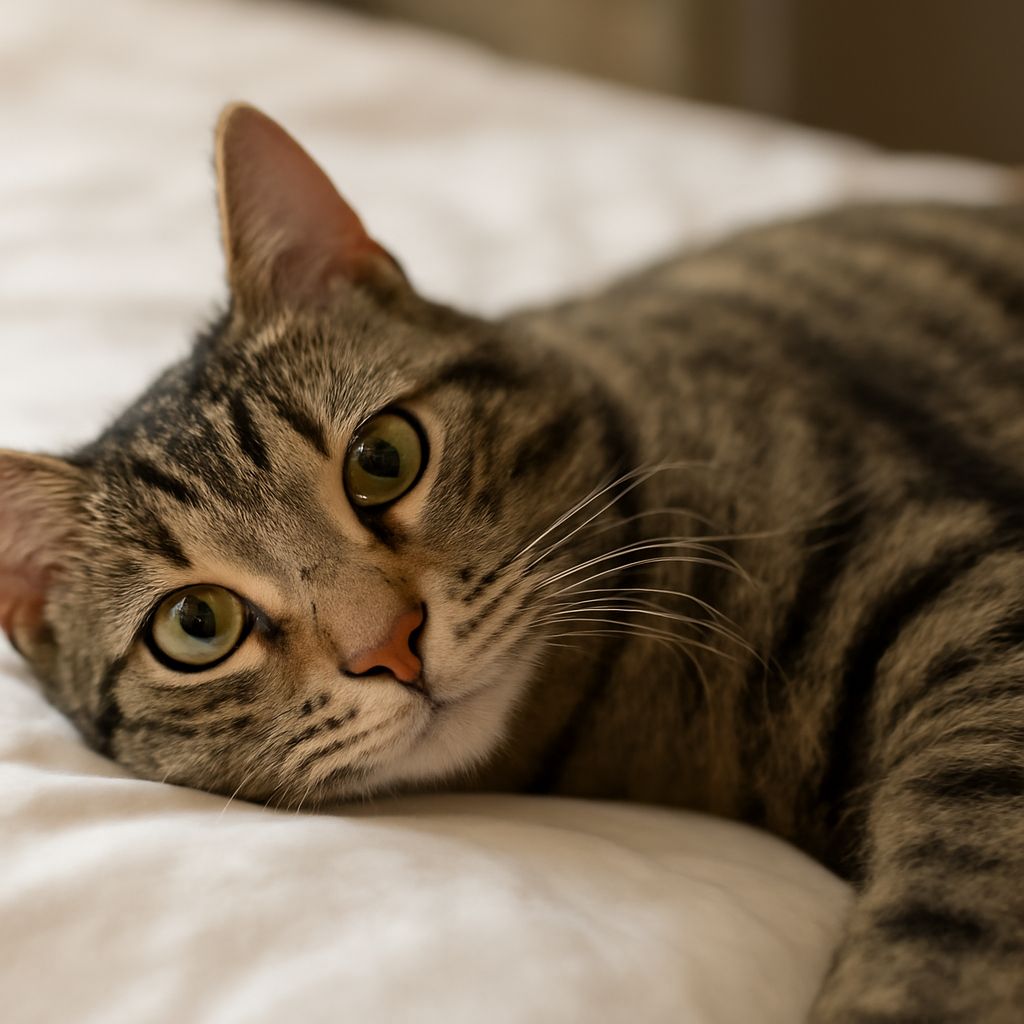
What Does It Mean When Cats Purr? The Full Explanation
You’re settling onto the couch after a long day when your cat climbs up, kneads your lap, and starts that familiar low rumble. You wonder: what does it mean when cats purr? The answer is more layered than most people expect.
What does a cat purring mean depends a lot on context. Cats purr when relaxed, but also when injured, anxious, or giving birth. Understanding what does cat purring mean in different situations helps you read your cat better. If you’ve ever asked do cats purr when they are happy, the answer is yes, but that’s only part of the story. Cat purring means different things at different moments, and learning to tell them apart makes you a more attentive owner.
Why Cats Purr: The Mechanics
How Purring Actually Works
Cats purr by rapidly dilating and constricting the glottis, the part of the larynx that surrounds the vocal cords. This happens during both inhalation and exhalation, which is why a purr sounds continuous. The frequency typically falls between 25 and 150 Hz.
Is Purring Always Voluntary?
Not entirely. While cats can start and stop purring with some intention, it also happens as a reflex response to stimulation. A very relaxed cat may not even realize it’s purring.
What Different Purrs Actually Signal
Contentment Purring
This is the one most owners know. A soft, even purr while your cat is being stroked or resting in a warm spot generally signals comfort. The cat’s body is relaxed, eyes half-closed, muscles loose. This kind of purring is a good sign.
Solicitation Purring
Researchers at the University of Sussex identified a distinct “solicitation purr” that cats use specifically when they want food or attention. It embeds a higher-frequency cry within the purr, which humans find harder to ignore. If your cat’s purr sounds a little urgent first thing in the morning, you’re likely hearing this variant.
Healing and Stress Purring
Cats also purr when stressed, injured, or in pain. The vibration frequency may promote bone density and tissue healing, which could explain why cats purr during recovery. If your cat is purring but shows other signs of distress, like hiding, refusing food, or labored breathing, the purring is not a sign of happiness.
Reading the Full Picture
Purring alone does not tell the whole story. Pay attention to body language alongside the sound. Ears forward, tail up, relaxed posture? Happy cat. Ears flat, pupils wide, tail low? The purr may signal anxiety or pain rather than contentment.
Kittens begin purring within days of birth as a way to communicate with their mother during nursing. Adult cats retain this behavior and direct it toward humans as a social bonding signal. Over time you’ll recognize your own cat’s purring patterns and what each one usually means.