
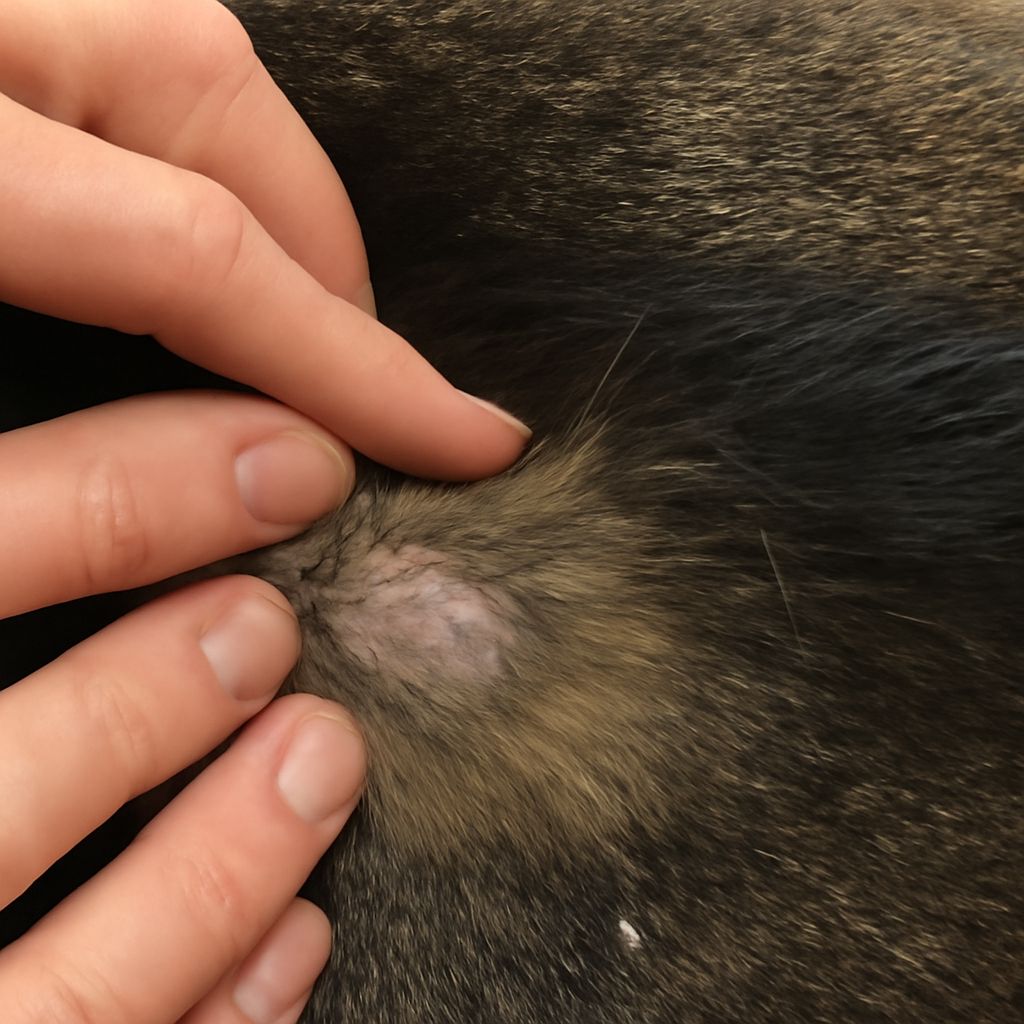
cat skin conditions: What They Look Like and What to Do
You’re petting your cat and notice a bald patch you hadn’t seen before, or some scabbing near the base of the tail. Maybe your cat has been scratching the same spot repeatedly for days. These are signs that something is going on at the skin level, and cat skin conditions range from mild and easily managed to complex enough to require veterinary care.
The variety of skin conditions in cats is wide enough that identifying the exact cause often requires professional input. Visible skin diseases in cats share symptoms with each other — redness, hair loss, crusting, and itching appear across many different diagnoses. If you’re dealing with a specific cat skin condition that’s been going on for more than a week or two, or if your cat’s quality of life is affected, this is not an area where guessing serves you well. Understanding the most common cat skin disorders helps you communicate clearly with your vet and know when something needs prompt attention.
Common Types of Cat Skin Problems
Flea Allergy Dermatitis
This is the most common skin condition in cats. Even one flea bite can trigger an intense allergic reaction in a sensitized cat. The reaction typically appears at the base of the tail, on the lower back, and along the belly. You’ll see small raised crusts (miliary dermatitis), hair loss from over-grooming, and skin that looks raw or scabbed. The cat may seem restless or groom compulsively. Treating the cat and the environment for fleas is the first step, followed by management of the allergic response.
Ringworm
Despite the name, ringworm is a fungal infection, not a worm. It produces circular patches of hair loss, often with scaly, grayish skin at the center. It’s highly contagious to other cats, dogs, and humans. Diagnosis is by fungal culture or Woods lamp exam. Treatment involves antifungal medication, either topical or oral, and decontamination of the cat’s environment.
Environmental and Food Allergies
Cats can develop allergies to environmental triggers like dust mites, pollen, or mold, and to ingredients in their food — most commonly proteins like chicken or fish. Allergy-related skin problems tend to affect the head, neck, and belly. The skin may look red, and the cat grooms or scratches excessively. Food allergy diagnosis involves a strict elimination diet trial over 8–12 weeks. Environmental allergies may require skin testing and ongoing management.
Bacterial and Yeast Infections
Secondary infections are common with any skin condition that involves scratching or broken skin. Bacteria and yeast find damaged skin easy to colonize. You might see greasy or waxy skin, a distinctive odor, or crusty discharge. These infections need targeted treatment — antibiotics for bacterial infections, antifungals for yeast. They typically resolve once the underlying cause is also addressed.
When to See the Vet
Any skin problem that involves open sores, significant hair loss, rapid spread, or changes in your cat’s behavior and appetite warrants a vet visit. Cats who are scratching hard enough to draw blood or who are losing sleep over itching need relief quickly. Diagnosis often requires skin cytology, fungal cultures, or allergy testing, and home treatment based on guesswork frequently delays recovery and lets conditions worsen.
Bring notes on when you first noticed the problem, whether it’s gotten better or worse, and any changes in diet, products, or environment that preceded the issue. This history shortens the diagnostic process considerably.
Key Takeaways
Cat skin disorders share overlapping symptoms, so accurate diagnosis matters before starting treatment. Flea allergy is the most common cause of skin problems in cats and should always be ruled out first. A vet exam with appropriate diagnostic tests gives you a real path to resolution — guessing at home often prolongs your cat’s discomfort.