how to get cats to drink more water: 8 methods that actually work
Your vet just mentioned that your cat’s kidneys would benefit from better hydration, and now you are staring at the barely touched water bowl wondering why this is so hard. How to get cats to drink more water is a genuine challenge because cats evolved as desert animals with low thirst drives. In the wild, they got most of their moisture from prey. Your domestic cat’s instincts have not caught up with the dry kibble reality of modern pet food.
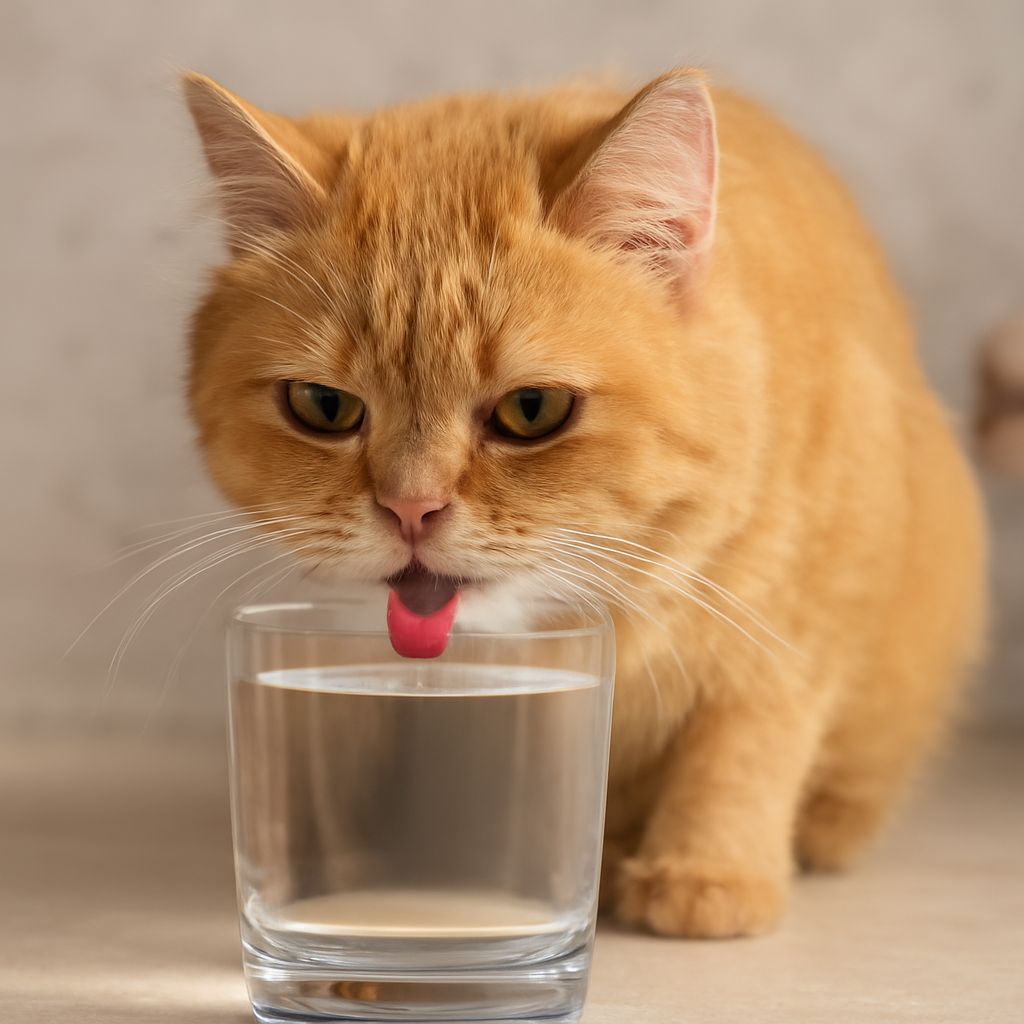
If you have been trying to figure out how to get a cat to drink water and getting nowhere, you are not alone. How to get my cat to drink water is one of the most common questions asked in veterinary waiting rooms. How to get your cat to drink water is less about willpower and more about working with your cat’s preferences and instincts. Get cat to drink water through strategy rather than hope, and the results are usually much better.
Why Hydration Matters for Cats
Chronically low water intake is associated with urinary tract disease, kidney disease, and bladder crystal formation in cats. These conditions are painful, expensive to treat, and often preventable with adequate daily hydration. A cat on an all-dry diet consuming no additional water sources is getting significantly less moisture than a cat eating wet food or a raw diet.
Target daily water intake for a cat is roughly 60 milliliters per kilogram of body weight, most of which should come from food in a species-appropriate diet. A 4-kilogram cat on dry food alone may need to drink substantially more free water than instinct drives them to seek out.
Eight Methods for Getting More Water In
Switch to Wet Food or Add Water to Dry
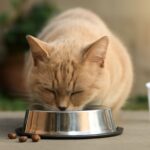
Wet food is the single most effective way to increase a cat’s water intake without any behavioral change from the cat. It contains 70 to 80 percent moisture compared to the 10 percent in dry kibble. Even one wet meal per day makes a measurable difference in total daily moisture consumption. If your cat refuses wet food initially, try mixing a small amount with their usual dry food and gradually increase the ratio over a few weeks.
Adding warm water directly to dry kibble creates a wet texture that some cats find appealing. Start with a small amount and adjust based on acceptance. Some cats love it; others prefer their kibble crunchy.
Use a Water Fountain
Many cats prefer moving water to still water. This is another instinct from the wild, where still water was more likely to be stagnant and unsafe. A recirculating water fountain keeps water moving, aerated, and filtered. Most cats that ignore a static bowl will drink readily from a fountain within a few days of introduction.
Place the fountain away from the food bowl. Cats naturally avoid drinking near where they eat, likely an instinctive behavior linked to avoiding water contaminated by prey remains.
Multiple Bowls in Multiple Locations
The more places water is available, the more often your cat will encounter it and drink. Place bowls in several rooms, including near sleeping spots and away from the litter box. Ceramic or stainless steel bowls are easier to keep clean than plastic, which can harbor bacteria that may make some cats reluctant to drink.
Bowl Width and Whisker Comfort
Some cats avoid deep, narrow bowls because the sides touch their whiskers while drinking. Whisker fatigue is a real phenomenon. Wide, shallow bowls that let your cat drink without their whiskers contacting the sides can significantly improve willingness to approach the water bowl.
Temperature Experiments
Some cats prefer cold water and will drink more from a bowl with a few ice cubes. Others prefer room temperature. Try both and see which prompts more drinking. A small amount of low-sodium chicken broth added to water, with no onion or garlic, can also increase palatability for cats that are resistant to plain water.
Tracking Progress
Fill water bowls to a consistent level each morning and check what remains each evening. This gives you a rough daily intake baseline. If your cat is on a prescribed hydration regimen from your vet, keeping a brief log of intake across a week gives useful data for follow-up appointments.
Signs of good hydration include supple skin that springs back quickly when gently pinched at the scruff, moist gums, and regular urination. A cat that is drinking better will typically show more consistent litter box use and may seem more energetic.
Pro tips recap: wet food is the highest-impact single change you can make for cat hydration. If your cat resists wet food, a water fountain is the next best investment. Never rely on a single water source in a single location, cats drink more when water is available in multiple spots throughout the home.