
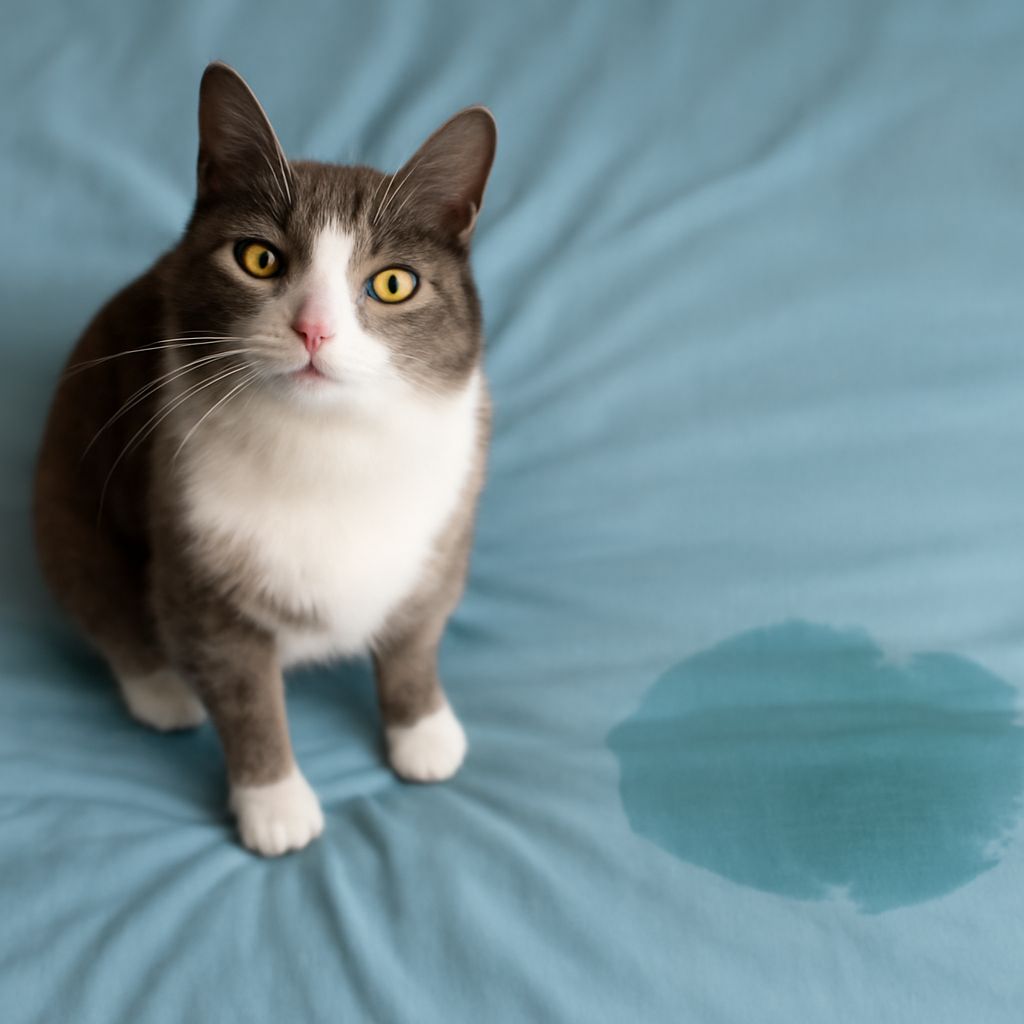
You’re walking around your home, and once again, you stumble upon a wet spot on the carpet. Your beloved feline, who usually appears content and well-behaved, has started peeing on everything. It seems that no corner of the house is safe. You start to wonder: why is my cat peeing on everything? Understanding the causes behind this behavior can help you find effective solutions to stop your cat from peeing on everything.
Common Reasons Why Cats Pee Everywhere
Medical Issues to Consider
One of the first things to rule out when your cat keeps peeing outside the litter box is a medical condition. Urinary tract infections and kidney disease are prevalent ailments that can cause increased urination and discomfort. If your cat shows signs such as crying when peeing or blood in the urine, a visit to the veterinarian is recommended. Additionally, diabetes can lead to excessive urination, which might contribute to your cat peeing in unusual spots.
Behavioral Problems Cats are creatures of habit, and changes in their environment or routine can lead to behavioral issues. If your cat is peeing on everything, it might be expressing anxiety or stress. This behavior is often a sign of underlying problems such as a change in household dynamics or a new pet in the home. Addressing these behavioral concerns is crucial to restoring litter box habits.
Environmental Stressors Cats are sensitive to changes in their environment. Moving to a new home, altering furniture layout, or even a recent renovation can stress cats, making them more prone to urinating outside the litter box. Keeping a constant and calm environment can help minimize these stress-related behaviors. Often, the stress is not immediately apparent, so monitoring your cat’s reaction to changes is essential.
Territorial Marking Some cats may start marking their territory by peeing, which is a natural behavior, especially in multi-cat households. When a cat marks, it usually sprays urine on vertical surfaces. This can be a response to perceived threats or a way to assert dominance. Understanding the difference between marking and regular urination is key to addressing this issue.
How to Address Cat Peeing Problems
Consulting a Veterinarian
If medical issues are suspected, consulting a veterinarian should be your first step. A comprehensive examination can help identify medical causes like infections or other health problems. Prompt treatment can alleviate pain and reduce the likelihood of your cat peeing outside the litter box. Always follow the veterinarian’s recommendations for any prescribed treatments or changes in diet.
Behavioral Training Tips Behavioral training can be effective for cats that pee due to stress or anxiety. Providing your cat with plenty of positive reinforcement and consistent routines can help mitigate stress-induced urination. If you’re struggling, consider consulting a cat behaviorist who can offer personalized strategies to combat this behavior.
Creating a Stress-Free Environment Setting up a comforting and stable environment can reduce the likelihood of your cat peeing on everything. Ensure there are enough litter boxes for each cat in the household, and keep them clean. Create safe spaces for your cat to retreat to and reduce any loud noises or chaos, which can be stressors for felines.
Cleaning and Preventing Future Accidents
Proper cleaning is essential to prevent your cat from peeing in the same spot again. Use enzymatic cleaners to eliminate odors that might attract your cat back to the same area. Placing deterrents, like aluminum foil or double-sided tape, can discourage your cat from returning to previously soiled spots. Be consistent with your cleaning routine to maintain a fresh-smelling home.
Safety Recap: When addressing your cat’s urination issues, always start with a veterinarian consultation to rule out medical causes. Use safe cleaning products to ensure your cat’s environment is healthy and comfortable. This gentle approach will help guide your cat back to proper litter box usage.