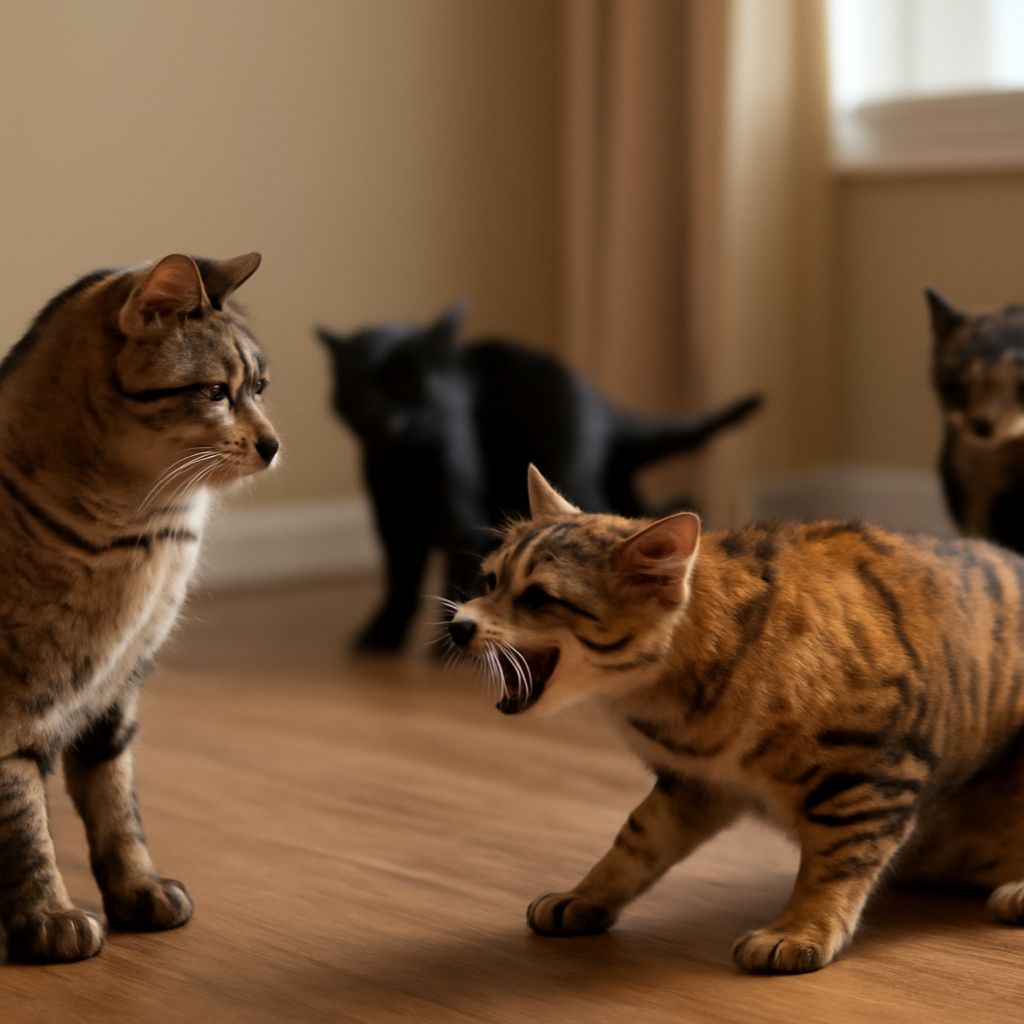
Imagine coming home after a long day at work, eager to unwind, but instead, you’re greeted by your feline friend who seems unusually distant and anxious. You notice your stressed cat pacing around the living room, tail twitching, and ignoring their favorite toys. You wonder, could it be signs of stress in cats you’re witnessing? With a little knowledge, you can learn to identify and soothe these feline anxieties, enhancing their well-being and restoring peace to your home environment.
When it comes to managing a stressed cat, understanding the potential causes and manifestations of their stress is crucial. Recognizing these elements can help you implement effective strategies to calm your feline companion and create a harmonious space for both of you to relax.
Identifying Signs of Stress in Cats
Common Behavioral Indicators
Behavioral changes are often the first signs of stress in cats. Your typically independent cat may start seeking excessive attention or, conversely, become more withdrawn. They might exhibit increased aggression or begin scratching furniture more than usual, marking their territory out of anxiety.
Physical Symptoms to Watch For
Alongside behavioral shifts, watch for physical signs such as over-grooming, which can lead to bald patches, or a sudden change in appetite. A stressed feline might eat less or become a finicky eater, reflecting their inner turmoil. Digestive issues such as vomiting or diarrhea can also indicate stress.
Emotional and Psychological Signs
Emotionally, a stressed cat might seem unusually fearful or skittish. They could startle easily at sounds or movements, exhibiting a heightened state of alertness. Prolonged stress might also lead to increased vocalization, as your cat tries to communicate their discomfort.
Environmental Triggers
Sometimes, the root of your cat’s stress lies in their environment. Loud noises, such as construction or fireworks, can be overwhelming. Changes in their territory, like new furniture or rearrangements, might also unsettle them, as cats are creatures of habit and comfort.
Causes of Cat Stress
Changes in Environment
One of the most common causes of stress for cats is a change in environment. Moving to a new home, even minor alterations in their immediate surroundings, can disrupt their sense of security. Gradually introducing these changes can help mitigate stress.
Introduction of New Pets or People
The introduction of a new pet or person can be a significant stressor for a cat. They may perceive the newcomer as a threat, leading to territorial behavior or anxiety. Proper introductions, allowing your cat to adjust at their own pace, can help ease these tensions.
Health Issues
Undiagnosed health issues can cause stress in cats. Pain or discomfort from a hidden medical condition may manifest as stress-related behaviors. Regular vet check-ups are essential to rule out or address any underlying health problems.
Lack of Stimulation
Cats need mental and physical stimulation to thrive. A lack of enriching activities can lead to boredom and stress. Providing toys, interactive play sessions, and scratching posts can help satisfy their need for stimulation.
How to Help a Stressed Cat
Creating a Safe Environment
Ensure your home is a sanctuary for your stressed feline by providing safe spaces where they can retreat and relax. Cozy hideaways or elevated perches can give them the sense of security they crave.
Using Calming Techniques
Consider using calming aids such as pheromone diffusers or sprays designed to reduce anxiety in cats. Gentle, soothing music or a peaceful routine can also help relax your cat in stressful situations.
Providing Mental and Physical Stimulation
Interactive toys, puzzle feeders, and regular playtime can keep your cat mentally and physically engaged. This stimulation helps alleviate boredom-induced stress and promotes overall well-being.
When to Consult a Veterinarian
If your cat’s stress persists despite your best efforts, it may be time to consult a veterinarian. They can provide further guidance and rule out any medical issues contributing to the stress.
Key takeaways: Recognizing the signs of stress in your cat and understanding the causes are crucial steps in managing their anxiety. Providing a safe, stimulating environment and seeking veterinary advice when needed can significantly enhance your feline’s emotional well-being.