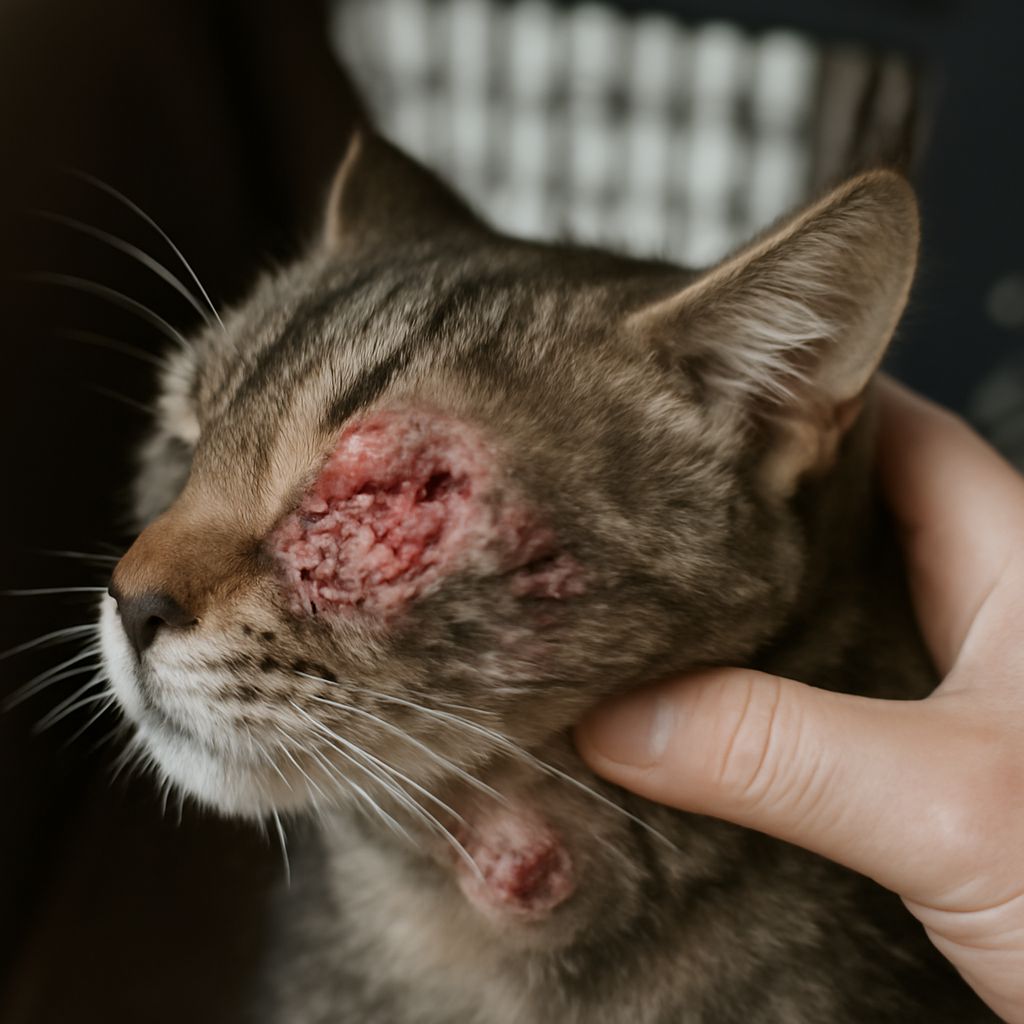
Imagine you’re watching your beloved cat, Fluffy, as she lounges in a sunbeam, her fur glistening in the light. You notice she’s been scratching more than usual, grooming herself excessively, and even sneezing occasionally. You start to wonder, “Can cats have allergies?” Understanding what happens when your cat has allergies can be crucial for her well-being. In this article, we delve into the possibilities of cats developing allergies, learn about common symptoms, and explore ways to manage and prevent allergic reactions.
Introduction to Feline Allergies
Feline allergies can be a perplexing issue for pet owners. Just like humans, cats can have allergic reactions to various substances. These reactions can manifest in several ways, often causing discomfort to our feline friends. Knowing the nature and triggers of these allergies is the first step in providing the best care.
Can Cats Have Allergies? Understanding the Basics
Cats can indeed develop allergies, which occur when their immune system overreacts to foreign substances. These allergens can be found in the environment, food, or even on their skin. The immune response can lead to symptoms such as itching, sneezing, and digestive issues. Understanding that cats can suffer from allergies allows you to identify potential triggers and take appropriate actions.
Common Allergy Symptoms in Cats
Allergy symptoms in cats can vary but often include several recognizable signs. Excessive scratching, licking, or biting at the skin, especially around the face, neck, and base of the tail, is common. You might also notice sneezing, coughing, or wheezing. In some cases, gastrointestinal symptoms such as vomiting or diarrhea can occur. Recognizing these symptoms early can lead to more effective management.
Can Cats Get Allergies from Food and Environment?
Yes, cats can get allergies from both food and environmental sources. Food allergies often result from proteins in the diet, such as chicken, beef, or fish. Environmental allergens may include pollen, mold, dust mites, or chemicals. Cats may also react to flea bites, leading to flea allergy dermatitis. Identifying whether the allergy is food-based or environmental is crucial for effective treatment.
Diagnosing Feline Allergies
Diagnosis of allergies in cats involves a detailed history and examination by a veterinarian. Allergy tests, such as skin or blood tests, might be recommended to pinpoint specific allergens. Elimination diets can help identify food allergies by systematically removing certain ingredients from the diet and monitoring the cat’s response.
Treatment Options When My Cat Has Allergies
When your cat has allergies, treatment options aim to reduce symptoms and improve quality of life. Antihistamines or corticosteroids may be prescribed to alleviate itching and inflammation. For food allergies, a hypoallergenic diet can be effective. Additionally, regular flea control is essential to prevent flea-induced reactions. It’s important to follow a vet’s recommendations for the best outcomes.
Preventing Allergies in Cats
Preventing allergies in cats requires proactive measures and a healthy environment. Regular cleaning can help reduce exposure to dust and mold. Maintaining a balanced diet and ensuring adequate hydration supports overall health. Regular veterinary check-ups can also catch early signs of allergies before they become severe.
When to Consult a Veterinarian About Cat Allergies
Consult a veterinarian if your cat exhibits persistent or severe allergy symptoms. Professional guidance is essential for proper diagnosis and treatment. Early intervention can prevent complications and ensure your cat remains comfortable and healthy.
Pro tips recap: Understanding that cats can have allergies allows you to observe and identify symptoms effectively. Prioritize cleanliness and nutrition, and seek veterinary advice when needed. With informed care, you can ensure your cat leads a happy, allergy-free life.