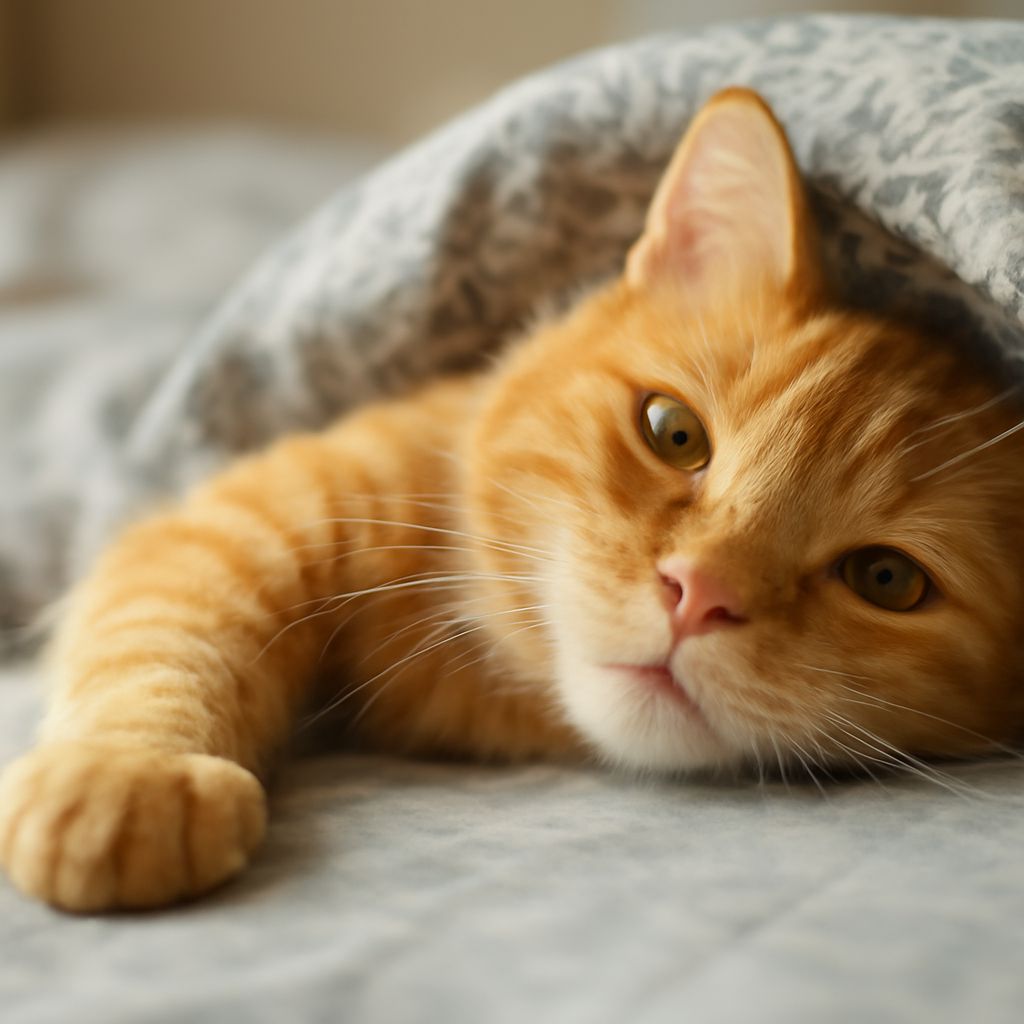
Imagine you’re lounging on the couch, enjoying a quiet afternoon with your feline friend curled up beside you, when suddenly, you notice a soft sniffle. Your cat sneezes—not once, but several times in a row. A quick glance reveals a trail of mucus, and you start to worry. This unexpected cat sneezing and runny nose incident prompts a rush of questions: Is it a simple case of cat sniffling, or could it be a sign of something more serious?
As a responsible pet owner, you’re aware that respiratory issues in cats, like cat sneezing with mucus, can be concerning. Understanding the possible causes and remedies for a cat sneezing and runny nose can help you keep your furry companion comfortable and healthy.
Understanding Cat Sneezing and Runny Nose
Common Symptoms of Respiratory Issues
Respiratory issues in cats often manifest through a variety of symptoms. While sneezing and a runny nose are the most obvious signs, you might also notice your cat experiencing coughing, watery eyes, or even a decrease in appetite. Sniffling and nasal discharge, which may range from clear to a thick yellow or green mucus, are also common indicators of respiratory discomfort.
Why Cats Experience Sneezing and Runny Nose
Cats sneeze and have runny noses for several reasons. Often, these symptoms are a natural response to irritants or allergens in the environment. However, persistent symptoms can point to more serious underlying problems, such as infections or chronic conditions. Understanding these causes is crucial for determining the appropriate care and treatment for your pet.
Common Causes of Cat Runny Nose and Sneezing
Allergies and Environmental Factors
Allergies are a frequent cause of sneezing and runny noses in cats. Common allergens include pollen, dust, mold, and cigarette smoke. Changes in weather, household cleaning agents, and even certain types of litter can trigger allergic reactions. If your cat’s symptoms coincide with exposure to these elements, allergies could be the culprit.
Viral and Bacterial Infections
Infections are another common cause of respiratory issues in cats. Feline herpesvirus and calicivirus are viral infections that can lead to symptoms such as a runny nose and sneezing. Bacterial infections, such as those caused by Bordetella or Chlamydia, are also possible and often require veterinary intervention for proper treatment.
When to Consult a Veterinarian
Signs Your Cat Needs Immediate Attention
If your cat’s sneezing and runny nose are accompanied by severe symptoms such as difficulty breathing, persistent coughing, or lethargy, it’s essential to seek veterinary care immediately. Additionally, if the nasal discharge becomes thick and discolored, or if your cat stops eating or drinking, these are signs that your cat needs professional medical attention.
Preparing for the Vet Visit
Before visiting the veterinarian, monitor your cat’s symptoms closely and note any changes in behavior or additional symptoms. This information can help the vet make a more accurate diagnosis. Bringing a list of any recent changes in your cat’s environment or routine can also be beneficial for identifying potential allergens or stressors.
Home Remedies for Cat Sniffling and Sneezing
Simple Solutions for Mild Symptoms
For minor cases of cat sniffling and sneezing, there are several home remedies you can try. Increasing humidity with a vaporizer or humidifier can ease your cat’s breathing. Ensure your cat has access to clean, fresh water to stay hydrated, and gently clean any nasal discharge with a damp cloth. It’s also helpful to ensure your cat’s environment is free from smoke and strong odors.
Preventive Measures for Cat Health
To prevent future respiratory issues, maintain regular grooming and cleaning habits and consider using dust-free litter. Regular veterinary check-ups and vaccinations are vital in preventing infections. Keeping your cat indoors can reduce exposure to environmental allergens and infectious agents, promoting their overall health and well-being.
Key takeaways: Recognizing the signs of cat sneezing and runny nose helps in identifying potential causes and appropriate remedies. While mild symptoms can often be managed at home, persistent or severe symptoms require veterinary attention. Proactive care and environmental management are essential in maintaining your cat’s respiratory health.