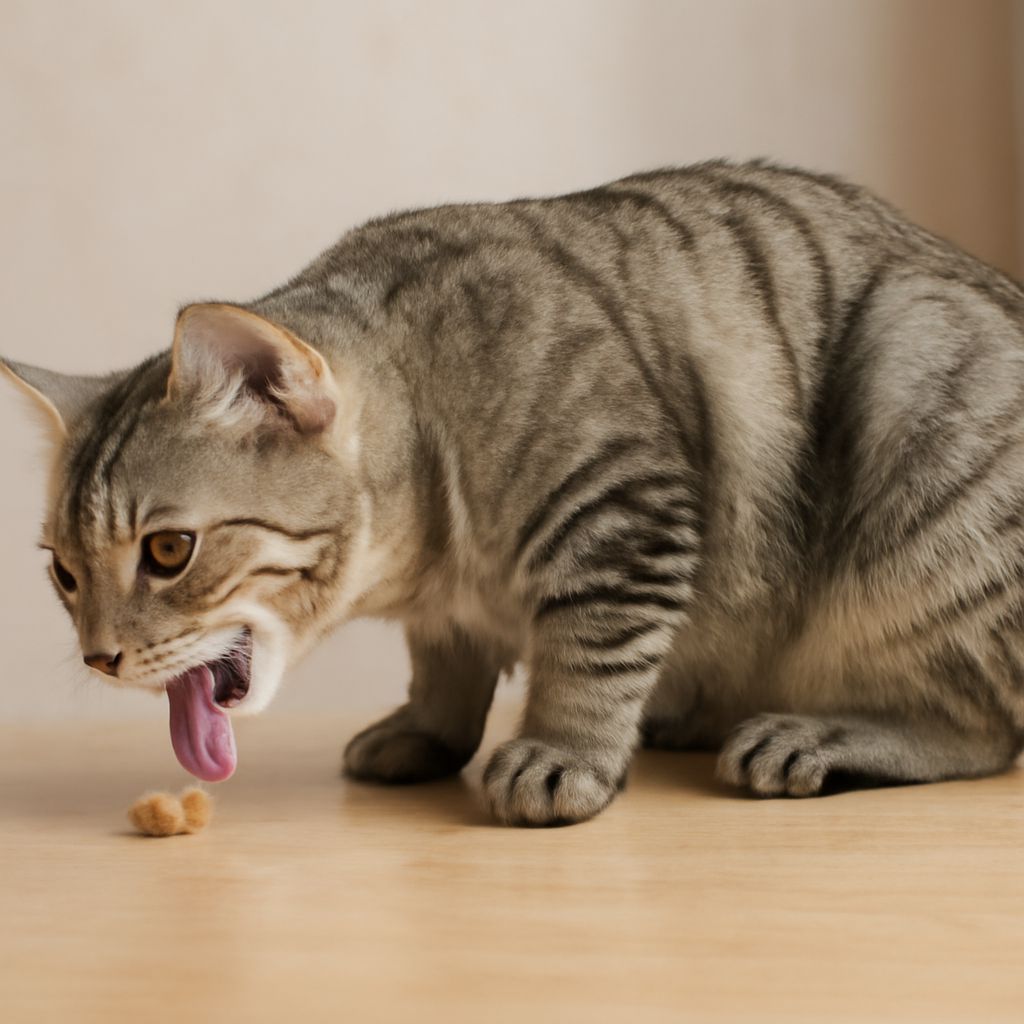
Imagine you’re sitting in a cozy corner of your living room, your beloved cat curled up beside you, purring softly. You cherish these moments, but something has been weighing heavily on your mind. Your feline friend has been diagnosed with kidney disease, and the vet has mentioned terms like “cat kidney disease life expectancy” and “stage 3 kidney disease in cats.” You find yourself grappling with difficult decisions, including the possibility of euthanasia. How do you navigate these heart-wrenching choices while ensuring your companion’s comfort?
Understanding Cat Kidney Disease Life Expectancy
Kidney disease in cats is a chronic condition that affects their quality of life and longevity. Life expectancy can vary significantly depending on when the disease is detected and how it progresses. Early diagnosis can sometimes mean a longer life, giving you valuable time with your pet. A cat with mild kidney disease may continue to enjoy a good quality of life for several years with proper management and care.
However, advanced kidney disease stages can reduce a cat’s life expectancy. When the condition reaches a stage where it significantly impacts daily activities, it’s crucial to have honest discussions with your veterinarian about prognosis and realistic expectations. Factors such as age, overall health, and response to treatment play vital roles in determining how much time your cat has left.
Signs of Kidney Failure in Cats
Recognizing the signs of kidney failure in cats is essential for timely interventions. Symptoms often include increased thirst and urination, weight loss, and decreased appetite. Cats may become lethargic and experience gastrointestinal issues like vomiting or diarrhea. As the disease progresses, symptoms can intensify, leading to more severe complications.
Behavioral changes, such as hiding or decreased interaction, can also indicate worsening kidney function. Monitoring your cat’s condition closely and maintaining regular veterinary check-ups are key in managing these symptoms effectively. Early detection and treatment can improve quality of life and potentially slow the disease’s progression.
Stage 3 Kidney Disease in Cats Life Expectancy
Stage 3 kidney disease is a critical phase where life expectancy becomes a more pressing concern. Cats in this stage often show pronounced symptoms, which significantly affect their daily lives. Without aggressive management, the prognosis can be limited, with some cats only having a few months left.
Nevertheless, with comprehensive care, including special diets, hydration support, and medication, some cats can live longer than initially anticipated. It’s essential to work closely with your veterinarian to tailor a care plan that addresses your cat’s specific needs and optimizes their remaining time.
When to Consider Euthanasia for Cats with Kidney Failure
The decision to euthanize a cat suffering from kidney failure is deeply personal and often heart-wrenching. It’s important to assess your cat’s quality of life objectively. Key considerations include the ability to maintain normal activities, comfort levels, and whether they’re experiencing pain or distress.
Your veterinarian can guide you through this process, offering insights into your cat’s condition and helping you evaluate their quality of life. Often, euthanasia is considered when a cat’s suffering outweighs their moments of comfort or joy. Remember, the goal is to prevent unnecessary pain while respecting the bond you share with your pet.
Supporting Your Cat During Kidney Disease
Support during kidney disease involves proactive management and emotional care. Providing a balanced, renal-friendly diet minimizes strain on the kidneys and can help slow disease progression. Regular hydration, through fluid therapy if necessary, ensures your cat stays adequately hydrated.
Creating a comforting environment can significantly impact your cat’s well-being. Maintain a quiet space where they can rest without stress, and continue gentle interactions to reassure them of your presence. Engaging with your veterinarian for ongoing assessments and adjustments to treatment plans ensures you are providing the best care possible.
Emotional support is equally crucial, both for your cat and yourself. Coping with chronic illness in a beloved pet can be emotionally taxing, so lean on support networks, including friends, family, and pet care communities, for guidance and solace.
Safety recap: If managing tools and color care for your cat’s needs, ensure they are used correctly to avoid causing harm or discomfort. Regular vet consultations can help you navigate these needs safely and effectively.