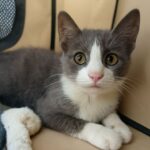

You find yourself chuckling at the sight of a robust feline lounging lazily on your couch. This plump companion, a true fat cat sitting at leisure, seems to embody what many might playfully call a “fat cat drug dealer” of the animal kingdom, dispensing love and purrs instead of contraband. As you gaze at your rotund pet, you might ponder the nutritional implications of such a life of leisure and indulgence. Perhaps you have even heard of the whimsical Chip and Dale, the fat cat duo who are notorious for their dietary antics. Here, you’ll explore the intriguing dynamics of your pet’s lifestyle and uncover how tactical cat nutrition can help in managing your furry friend’s dietary habits.
Understanding the Fat Cat Sitting Phenomenon
Fat cats sitting around the house are a common sight, captivating pet owners with their relaxed demeanor. This phenomenon is not just about physical appearance; it is a reflection of a lifestyle that involves ample food intake and minimal physical activity. Recognizing this pattern is crucial in understanding the broader aspects of feline nutrition.
Our domestic companions often indulge in sedentary behavior that can lead to weight gain. This is not inherently negative; however, it does necessitate a balanced approach to their diet to prevent potential health issues. Understanding these dynamics allows pet owners to implement informed nutritional strategies that cater to their cats’ relaxed lifestyles.
Tactical Cat Nutrition Strategies
Tactical cat nutrition involves tailoring a dietary plan that addresses the specific needs of your feline friend. A well-thought-out diet can prevent excessive weight gain and promote overall health. It’s essential to focus on portion control and nutrient balance, ensuring that your cat receives the proper amount of proteins, fats, and carbohydrates.
Another aspect of tactical nutrition is selecting food that supports an active metabolism. This includes foods rich in omega-3 fatty acids and antioxidants, which can enhance your cat’s vitality and reduce the risk of obesity-related conditions. Supplementing their diet with fiber can also aid in better digestion and satiety, helping to control hunger pangs.
The Skooma Cat Diet: What You Need to Know
The skooma cat diet is something of an urban legend among pet owners, often depicted as indulgent and carefree. However, in reality, a proper skooma-inspired diet can be quite beneficial. The idea is to incorporate a variety of textures and flavors while maintaining nutritional balance.
This diet emphasizes the importance of hydration, advocating for wet food options that ensure your cat remains well-hydrated, which is crucial for kidney health. Providing a mix of dry and wet foods can also cater to different dietary preferences and textures, keeping meals interesting and satisfying for your pet.
Fat Cat Chip and Dale: A Nutritional Perspective
The legendary fat cat duo, Chip and Dale, provides an interesting case study in feline nutrition. Known for their hearty appetites and love for treats, they exemplify the challenges of managing dietary indulgence. However, with proper nutritional oversight, even these rotund cats can enjoy a balanced diet.
Focusing on high-quality proteins and limiting treats to occasional rewards can make a significant difference in maintaining healthy weight levels for cats like Chip and Dale. Engaging them in playful activities and providing interactive feeding puzzles can also contribute to their physical well-being, ensuring that their indulgent nature does not compromise their health.
Debunking the Myth of the Fat Cat Drug Dealer
The playful idea of a “fat cat drug dealer” refers to an indulgent lifestyle rather than any illicit activity. This concept humorously highlights the temptation to overindulge our pets with treats and rich foods. Yet, creating a balanced environment where treats are given in moderation is essential.
By debunking this myth, we can focus on the importance of responsible feeding practices. Educating pet owners about reading nutritional labels and understanding ingredient lists is crucial. This knowledge empowers them to make informed decisions, ensuring their cats maintain a healthy weight without sacrificing the joy of occasional indulgence.
Safety Recap: While exploring tactical nutrition and lifestyle influences, it is vital to approach dietary changes gradually and consult with a veterinarian. Tools like measuring cups and feeding puzzles can enhance the feeding experience while promoting health.